Space is one of the biggest costs for any business. Rent keeps rising. Expansion feels expensive. Many owners assume they need more square footage to grow, but that is not always true. The smarter move is to use what you already have in better ways.
A well-planned space can improve workflow, reduce costs, and even boost productivity. It is not about squeezing things in. It is about making every square foot work harder. Small changes can open up new possibilities without adding new expenses.
Let’s explore some practical ways you can rethink your space, cut unnecessary costs, and still leave room for growth.
Rethink How Your Current Space Is Used
Many businesses operate in spaces that have not been reviewed in years. Over time, items get added, furniture stays in place, and workflows evolve without any real adjustment to layout. This leads to wasted space without anyone noticing it.
A good starting point is to observe how your space is actually used during a normal workday. Look at where people spend most of their time and which areas stay empty. You may find that storage areas are too large or workstations are spaced out more than needed.
It also helps to remove anything that no longer serves a purpose. Old equipment, excess inventory, or unused furniture can quietly take up space that could be used better. Once you clear these out, you get a clearer view of what your space can really offer.
Invest in Shipping Containers for Flexible Expansion
Shipping containers offer a practical way to expand without committing to permanent construction. They are designed to handle tough conditions, which makes them suitable for outdoor use in many environments. Businesses often use them for storage, temporary offices, or even retail setups.
It is better to buy shipping containers instead of renting. When you buy them, you own them as assets. You can use it for as long as you need without worrying about ongoing fees. Over time, this becomes more cost-effective than paying monthly rent.
Rental costs may seem manageable at first, but they add up quickly. In many cases, the total rental cost over a few years can exceed the purchase price of a used container. Ownership also gives you flexibility. You can modify the container, relocate it, or repurpose it as your business grows.
For businesses that need extra space without long-term commitments, buying a container provides both control and value.
Use Vertical Space More Effectively
Floor space is often limited, but vertical space is usually underused. Walls and ceiling height can provide extra storage without expanding the footprint of your business.
Installing shelves or racks is one of the simplest ways to take advantage of height. In warehouses, high shelving systems can significantly increase storage capacity. In offices, wall-mounted storage can reduce clutter and free up desks.
This approach also helps keep the workspace organized. When items are stored vertically, the floor remains clear, which improves movement and safety. It becomes easier for employees to navigate the space and complete tasks without unnecessary obstacles.
Making use of vertical space allows businesses to grow within their existing layout instead of looking for larger premises.
Create Multi-Use Areas
Spaces that serve only one purpose can limit flexibility. When a room is used for a single function, it often sits empty for part of the day. This is not an efficient use of space.
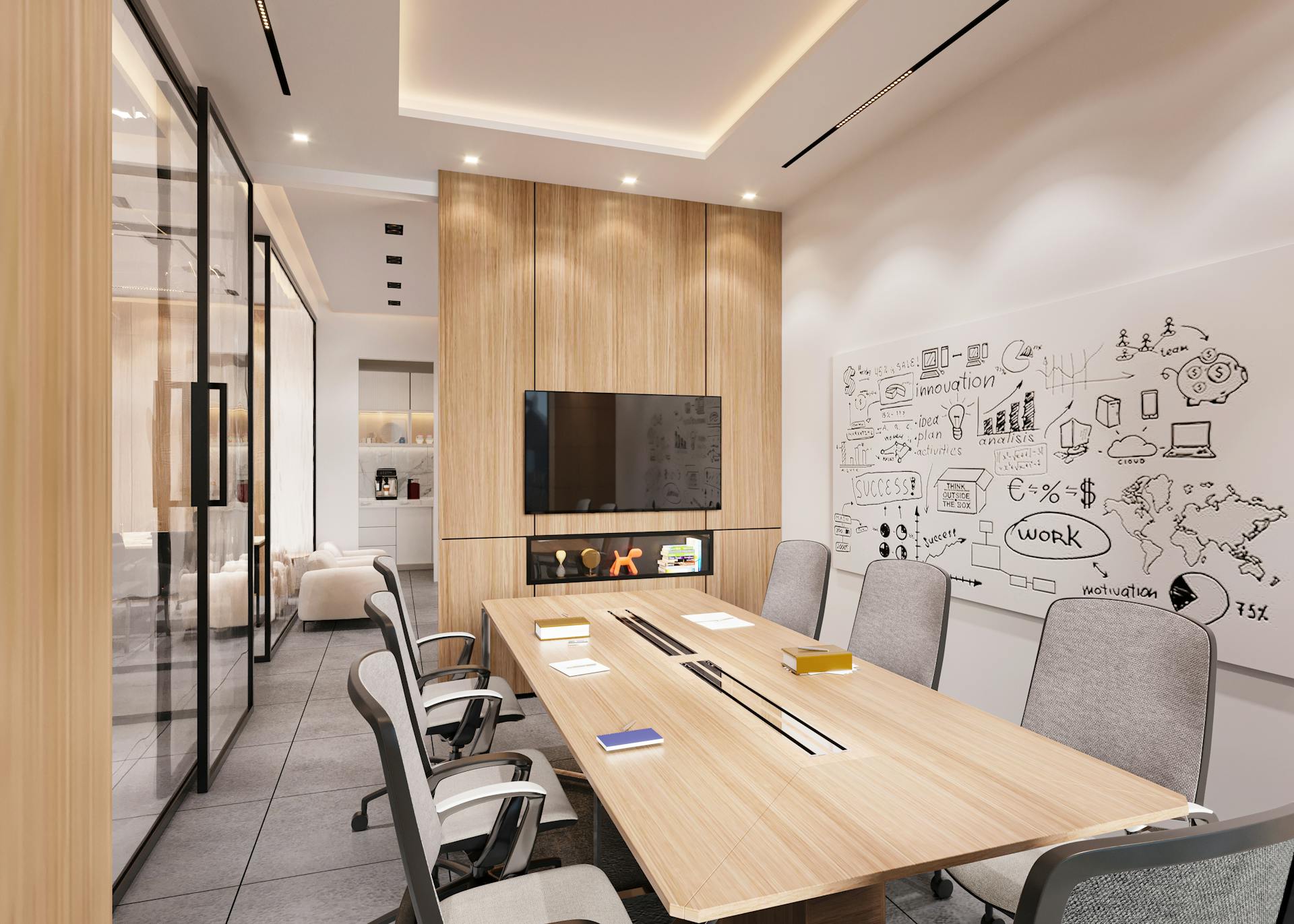
Creating multi-use areas helps solve this problem. A meeting room can also be used for training sessions or team discussions. A break area can double as a casual workspace during quieter hours. With a few adjustments, the same space can support different activities.
Furniture plays an important role here. Foldable tables, stackable chairs, and movable partitions make it easier to switch between uses. This allows businesses to adapt quickly without needing additional rooms.
Optimize Storage Systems
Poor storage systems can waste both space and time. When items are not organized properly, they take up more room than necessary and are harder to find.
An efficient storage system starts with categorizing items based on how often they are used. Frequently used items should be easy to access, while less important ones can be stored further away or higher up. This simple change improves workflow and reduces clutter.
Using labeled containers and modular shelving can also make a big difference. Clear organization helps employees locate items quickly and maintain order over time. It also prevents unnecessary duplication of supplies, which can take up extra space.
Go Digital Where Possible
Physical paperwork can take up more space than expected. Filing cabinets, storage boxes, and archives often fill entire sections of an office. This reduces the space available for more productive use.
Moving to digital systems helps solve this issue. Documents can be stored securely in cloud platforms and accessed when needed. Therefore, you no longer need large storage units. It frees up space for workstations or collaborative areas.
Digital tools also make processes faster. Searching for files becomes easier, and sharing information takes less time. While the shift may take some effort at the start, the long-term benefits in both space and efficiency make it worthwhile.
Rearrange for Better Workflow
A well-organized space is not just about fitting everything in. It should support how work gets done. If employees have to move back and forth often, it can slow down operations and create unnecessary effort.
Rearranging your layout based on workflow can make a noticeable difference. Place related tasks closer together so that movement is reduced. For example, if one process depends on another, keeping those areas nearby can save time.
Walk through your space as if you are completing daily tasks. Notice any delays or obstacles. Even small adjustments, like shifting a desk or relocating equipment, can improve efficiency. When movement becomes smoother, the entire workspace feels more functional.
Making the most of your business space is not about cutting corners. It is about thinking differently. When you start to see space as something flexible rather than fixed, new opportunities begin to show up. Every adjustment, whether it is going digital or rearranging layouts, adds to a more efficient setup. These changes do not need to happen all at once. What matters is taking a step back and being willing to rethink what already exists.
With the right approach, you can create a workspace that supports growth without putting pressure on your budget. And once you start making smarter use of your space, it becomes easier to adapt, expand, and keep moving forward with confidence.