Upgrading Garage Doors for Energy Efficiency, Security, and ROI
For many homeowners, the garage is an overlooked space, often becoming a cluttered catch-all rather than a functional extension of the home. But imagine its true potential: a highly organized workshop, a vibrant home gym, or even a comfortable living area. We believe that undertaking well-planned garage upgrades can unlock this potential, offering significant benefits. These improvements boost daily functionality and enhance your home’s overall value. In this guide, we will explore how high-quality garage upgrades, with a special focus on doors and floors, can redefine your space. We’ll cover everything from improving energy efficiency and security with new doors to selecting premium concrete flooring. For those needing expert garage door repair as part of their assessment, addressing those issues first is always a smart move.
A comprehensive garage makeover can transform this often-neglected area into a source of pride and utility. Beyond aesthetic appeal, these upgrades contribute to your home’s energy efficiency, security, and overall market appeal. A well-executed garage renovation can significantly increase your home’s value, with some projects offering substantial returns on investment.
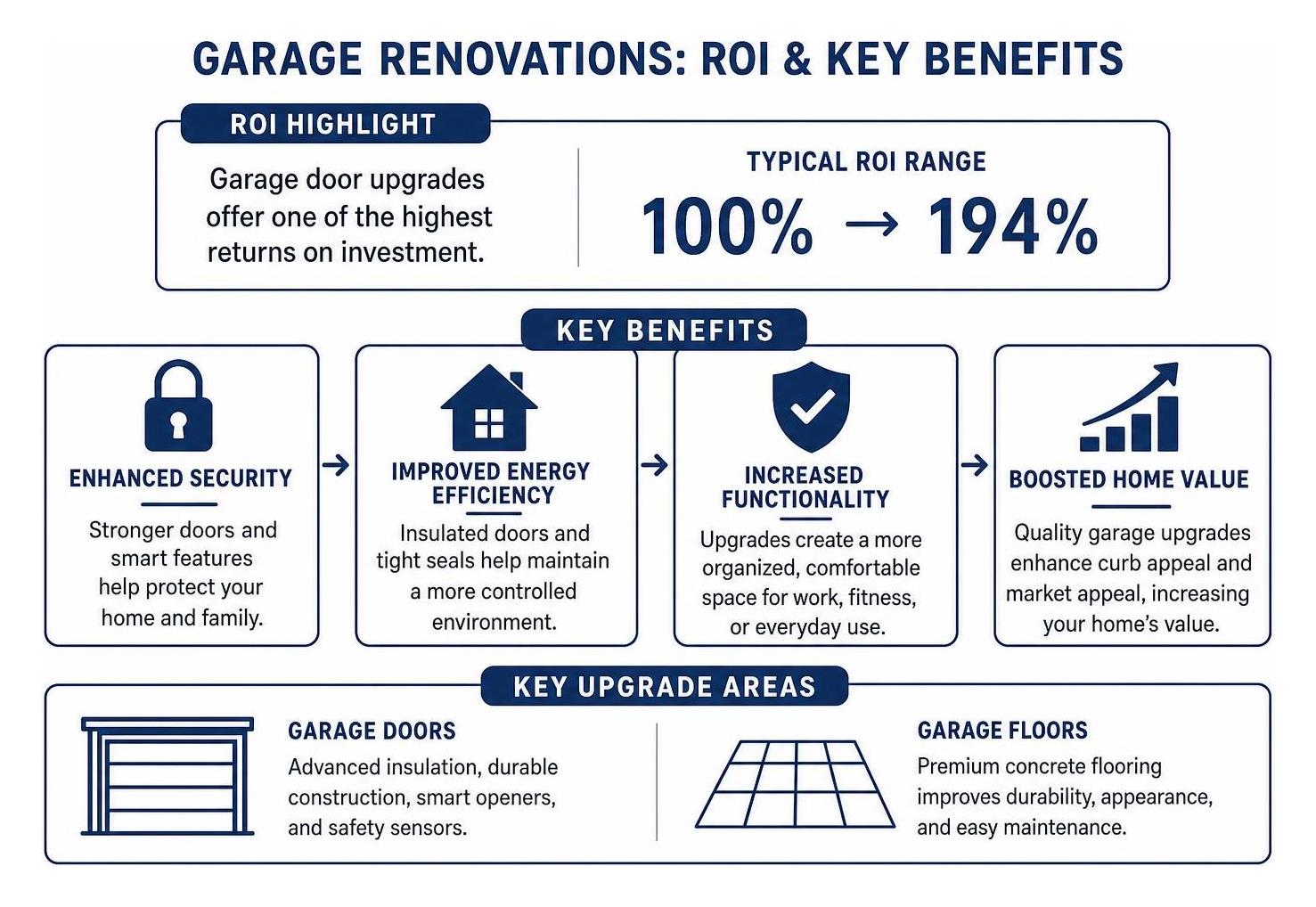
The garage door is often the largest moving part of your home, playing a crucial role in both curb appeal and functional performance. Upgrading this component offers one of the highest returns on investment among home improvements, often ranging from 100% to a remarkable 194%. Beyond the financial benefits, a new garage door significantly enhances your home’s security, energy efficiency, and overall aesthetic.
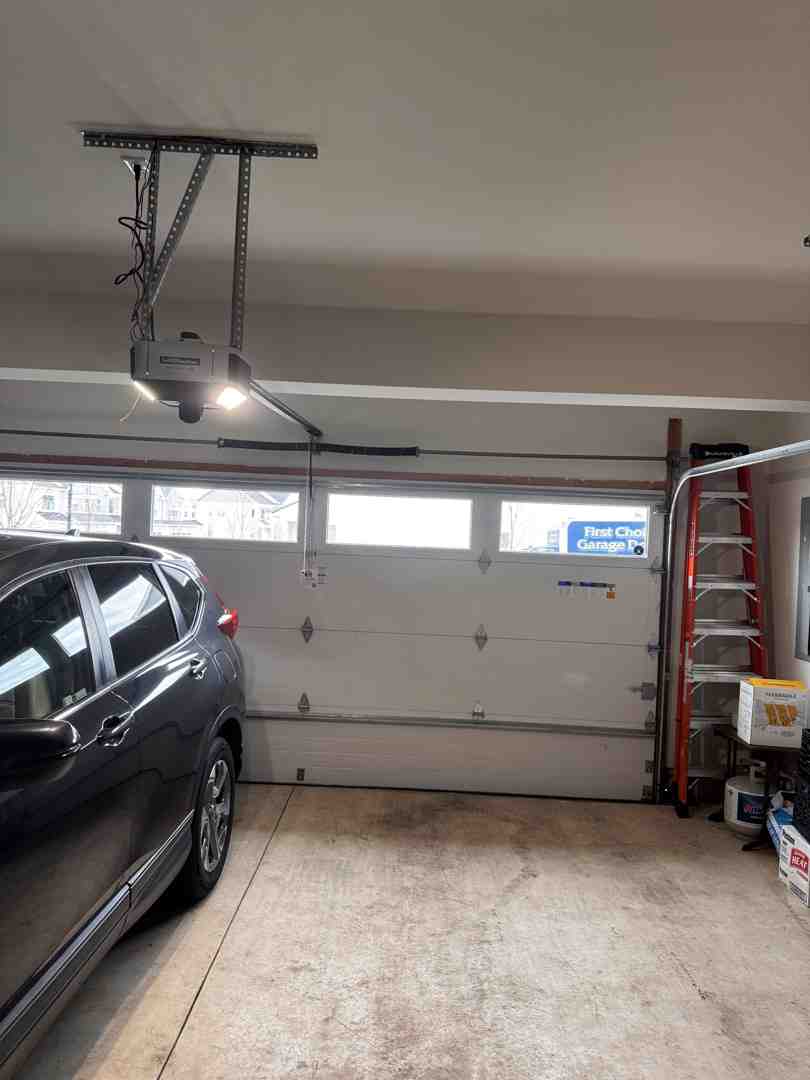
Modern garage doors feature advanced insulation, robust steel construction, and effective weatherstripping to create a more controlled environment. Smart openers integrate with home automation systems, offering convenience and enhanced security features like remote monitoring and access control. Safety sensors are now standard, preventing accidents by automatically reversing the door if an obstruction is detected. When considering an upgrade, it’s wise to consult with professionals who can provide expert garage door repair services, ensuring that any underlying issues are resolved before installing a new system. This proactive approach guarantees optimal performance and longevity for your investment.
Thermal Performance and Climate Control
One of the most impactful upgrades for a garage door is improved thermal performance. An energy-efficient R-18 insulated garage door, for instance, can keep your garage approximately 12 degrees warmer in winter and about 25 degrees cooler in summer. This impressive temperature regulation is achieved through features like a thermal break, which prevents heat transfer, and a dense polyurethane core that fills the door panels. Effective weatherstripping around the perimeter further seals out drafts, moisture, and pests. By reducing energy loss, an insulated door not only makes the garage more comfortable but also contributes to lower utility bills, especially if the garage shares a wall with conditioned living space. This is a critical consideration for homeowners looking to convert their garage into a more livable area, as it provides a foundational layer of climate control.
Hardware Reliability and Mechanical Maintenance
The longevity and smooth operation of your garage door depend heavily on the quality and maintenance of its hardware. Components like torsion springs, track alignment, nylon rollers, and cable tension are vital for safe and efficient functionality. Torsion springs, typically rated for a certain number of cycles, bear the weight of the door and can eventually wear out. Proper track alignment ensures the door moves smoothly without binding or excessive noise, while high-quality nylon rollers offer quiet operation and durability compared to steel rollers. Cable tension must be correctly adjusted to prevent the door from falling unexpectedly. Regular safety inspections, ideally performed by a qualified technician, can identify potential issues before they become major problems, preventing costly repairs and ensuring the safety of your family. Addressing wear and tear promptly, potentially through expert garage door repair, can significantly extend the life of your garage door system.
Premium Concrete Flooring: Epoxy, Polyaspartic, and Interlocking Tiles
The garage floor endures significant wear and tear, from hot tires and chemical spills to heavy equipment and dropped tools. A bare concrete slab is prone to dusting, staining, and cracking, making it difficult to clean and less appealing. Upgrading your garage floor with a high-performance coating or interlocking tiles not only enhances its appearance but also provides superior protection and durability. These solutions transform a utilitarian surface into a resilient, easy-to-maintain foundation for any garage activity. For those seeking advanced protection and aesthetic appeal, exploring high-performance concrete floor coatings can reveal a range of options tailored to specific needs and styles.
Comparing Floor Coating Options
When it comes to upgrading garage floors, homeowners have several excellent options, each with unique benefits. The most popular choices are epoxy coatings, polyaspartic coatings, and interlocking tiles.
- Epoxy Coatings: A long-standing favorite, epoxy is a resinous material applied in multiple layers over a prepared concrete slab. It offers good chemical resistance, a wide range of color options, and a smooth, glossy finish. While durable, traditional epoxy can be susceptible to hot-tire pickup (where hot tires lift the coating) and may yellow over time from UV exposure. The application process typically requires specific temperature conditions and a cure time of several days.
- Polyaspartic Coatings: Often considered a superior alternative to epoxy, polyaspartic coatings, such as CycloSpartic™ systems, boast remarkable strength and durability. They are roughly 20 times stronger and about 4 times more durable than traditional epoxy, making them highly resistant to abrasions, impacts, and chemicals. Polyaspartic also excels in UV stability, preventing yellowing, and has a much faster cure time, often allowing for a one-day installation and next-day return to service. This makes it an ideal choice for busy homeowners seeking a robust, long-lasting solution.
- Interlocking Tiles: These modular tiles, typically made from PVC or polypropylene, snap together to form a floating floor. They are incredibly easy to install, require minimal subfloor preparation, and can be replaced individually if damaged. Interlocking tiles offer excellent impact absorption, good chemical resistance, and come in various colors and patterns, allowing for custom designs. They also provide a thermal break, making the floor feel warmer underfoot. While generally durable, some types may shift over time or allow liquids to seep through the seams.
Here’s a comparison table to highlight their differences:
Feature Epoxy Coatings Polyaspartic Coatings Interlocking Floor Tiles Tensile Strength Good Excellent (20x stronger than epoxy) Good (depends on material) Cure Time Several days Very fast (often 1-day install, next-day use) Immediate UV Stability Poor (can yellow over time) Excellent (non-yellowing) Good (UV-resistant materials available) Impact Resistance Good Excellent Excellent Chemical Resistance Good Excellent Good Hot-Tire Pickup Susceptible Highly resistant Resistant Installation Professional recommended, specific conditions Professional recommended, fast application DIY-friendly Lifecycle Cost Moderate Higher initial, lower long-term maintenance Moderate For homeowners prioritizing ultimate durability and a quick return to service, polyaspartic coatings are often the preferred choice. However, each option provides significant improvements over bare concrete, offering enhanced aesthetics and protection.
Proper Slab Preparation and Long-Term Care
Regardless of the chosen flooring system, proper slab preparation is the cornerstone of a successful and long-lasting garage floor upgrade. Skipping this crucial step is a common mistake that can lead to delamination, peeling, and premature failure of coatings. The process typically begins with cleaning and degreasing the concrete to remove any contaminants. For coatings, the surface then needs to be mechanically profiled, often through diamond grinding or shot blasting, to achieve a Concrete Surface Profile (CSP) of at least 2 or 3. This creates a rough texture that allows the coating to properly adhere. Crack repair and patching are also essential to ensure a smooth, even surface. For some applications, moisture testing is performed to determine if a moisture barrier is needed to prevent issues like bubbling or delamination caused by hydrostatic pressure.
Once installed, proper long-term care is relatively straightforward. For coated floors, routine cleaning with mild detergents and a soft brush or mop is usually sufficient. Avoid abrasive cleaners or harsh chemicals that could damage the finish. Interlocking tiles can be swept, vacuumed, or hosed down. Promptly addressing spills, especially those involving corrosive chemicals, will help maintain the integrity and appearance of your upgraded garage floor for years to come. Investing in high-performance concrete floor coatings means investing in a durable, easy-to-maintain surface that will serve your needs for a long time.
Essential Garage Upgrades to Maximize Space and Usability
The typical 2-car garage, measuring around 20×20 feet, boasts approximately 160 linear feet of wall space, much of which often goes unused. This represents a significant missed opportunity for organization and storage. Maximizing this vertical and overhead space is key to transforming a cluttered garage into an efficient, functional area. The first step in any garage makeover is always decluttering. Most homeowners can eliminate 30-40% of their garage contents before even beginning to plan for new storage, freeing up valuable space and revealing the true potential of the area.
Once decluttered, strategic planning involves creating distinct wall zones for different types of items, utilizing vertical clearance effectively, and investing in durable, heavy-duty storage solutions.
High-Impact Garage Upgrades on a Budget
Transforming your garage doesn’t always require a substantial investment. Many high-impact upgrades can be achieved on a budget, focusing on maximizing existing space and improving functionality.
- Paint Refresh: A fresh coat of paint can dramatically brighten and clean up a garage. Using a durable, washable interior paint, perhaps even a bold color, can create a more inviting and visually appealing space. Always remember to prime first for best results.
- Modular Slatwall or Pegboard: These systems are excellent for organizing tools, garden equipment, and sports gear. They utilize wall space efficiently, keeping items off the floor, and their modular nature allows for easy reconfiguration as needs change. Modular garage storage systems have seen a 12% year-over-year growth in popularity among DIY homeowners, reflecting their versatility and ease of installation.
- Overhead Racks: For rarely used or seasonal items, ceiling-mounted storage racks are invaluable. They free up floor space for vehicles or work areas and are perfect for bins, holiday decorations, or camping gear.
- Task Lighting: Upgrading to brighter, more energy-efficient LED fixtures can vastly improve visibility. Adding task lighting over workbenches ensures adequate illumination for projects. Aim for 50-75 lumens per square foot for general lighting, and 100+ lumens for task areas.
- Magnetic Bars and French Cleats: Inexpensive magnetic bars are perfect for organizing small metal tools, while a DIY French cleat system provides a strong, customizable way to hang larger items and shelves.
These budget-friendly options can make a significant difference in organization and usability without breaking the bank.
Modern Garage Upgrades for EV Charging and Smart Tech
As we move into 2026, garage upgrades are increasingly incorporating advanced technologies and sustainable solutions. The rise of electric vehicles (EVs) has made EV charging a priority for many homeowners. Installing a Level 2 EV charger typically requires a dedicated 240-volt circuit, which might necessitate a subpanel expansion in your garage to handle the increased electrical load. Planning for this infrastructure early in a remodel prevents costly rework later. In regions like California, new building energy efficiency standards (effective January 2026) are influencing how these electrical upgrades are integrated, emphasizing efficiency and future-proofing.
Beyond EV charging, smart home integration is transforming garages. Smart garage door openers allow remote access, monitoring, and even integration with voice assistants. Layered LED lighting systems, featuring ambient, task, and motion-activated fixtures, provide optimal illumination while conserving energy. Motion sensors for lighting not only add convenience but also enhance security. Integrating smart sensors can monitor temperature, humidity, and even air quality, especially relevant for garages used as workshops or living spaces. These modern upgrades make the garage more functional, safer, and seamlessly connected to the rest of your smart home ecosystem.
Designing Multifunctional Spaces: Workshops, Gyms, and Living Areas
The garage is no longer just a place to park cars; it’s increasingly being seen as a versatile extension of the home. Designing a multifunctional garage requires careful planning to accommodate various activities, whether it’s a dedicated workshop, a home gym, or even an additional living area. A full garage conversion can add 5-20% to home value, depending on the market and the quality of the conversion.
Key to a successful multifunctional space is functional zoning, where distinct areas are designated for specific activities. This might involve a workbench zone, a fitness area, and a storage section. Electrical distribution needs to be robust, with dedicated 20A circuits for power tools and potentially 240V outlets for heavy machinery or EV chargers. Acoustic management, through insulation and sound-dampening materials, can minimize noise transfer to the main house. For workshops, air filtration systems are crucial to manage dust and fumes. Finally, climate control, often achieved with a ductless mini-split HVAC system (which typically costs between $1,500 and $4,000 installed), ensures the space is comfortable year-round, protecting tools from humidity and making the area more inviting for extended use. Modular workbenches and movable storage further enhance flexibility, allowing the space to adapt to changing needs.
Layout Planning and Dedicated Storage Zones
Effective layout planning is paramount for a multifunctional garage. We often recommend a “three-zone approach”: a parking zone, a storage zone, and a utility/work zone. This helps maintain clear circulation paths and ensures sufficient clearance zones around vehicles, entry points, and work areas. For instance, maintaining a 36-inch clearance around garage doors is a best practice.
Within the storage zone, dedicated solutions are essential. Floor-to-ceiling cabinets provide ample concealed storage, keeping clutter out of sight. Wall-mounted slatwall or pegboard systems offer flexible organization for tools and smaller items, making them easily accessible. Overhead racks are perfect for seasonal items or bulky equipment, freeing up valuable floor space. Labeling bins and shelves for easy identification and maintenance is a simple yet effective strategy. By planning storage before purchasing products, you ensure everything fits and contributes to an organized, efficient space. This systematic approach ensures that every item has a home, making the garage a truly functional and enjoyable part of your home.
Frequently Asked Questions About Garage Renovations
What is the average return on investment for garage renovations?
The return on investment (ROI) for garage renovations can vary significantly based on the scope and quality of the upgrades. A well-executed garage makeover can add between $5,000 and $20,000 to your home’s value. Specific projects offer even higher returns: a garage door replacement, for example, is one of the highest ROI exterior projects, often yielding an ROI of 100-194%. A full garage conversion, transforming the space into a living area, can add 5-20% to your home’s overall value, depending on your local market and the quality of the conversion. These improvements not only enhance daily living but also provide a strong resale advantage.
How long does a full garage transformation usually take?
The timeline for a garage transformation depends on the project’s complexity. A basic storage cleanup and organization project might take 1-2 weekends for most homeowners. However, a full makeover that includes insulation, HVAC, drywall, and electrical work is a more involved undertaking, typically requiring 6-12 weeks. This timeframe accounts for preparation, material lead times, installation, and curing periods for elements like floor coatings. For instance, while polyaspartic floor coatings can be installed in one day and ready for use the next, epoxy coatings require a longer cure time. Planning for permits and professional installations can also extend the overall project duration.
Should I coat the concrete floor before installing cabinets?
Yes, it is generally recommended to apply your concrete floor coating before installing cabinets or other permanent fixtures. This approach ensures a continuous, seamless moisture barrier and protective seal across the entire floor, including areas that would otherwise be inaccessible under cabinets. Coating the entire slab prevents moisture penetration and provides a uniform, finished look. If cabinets are installed first, the floor coating will have to terminate around them, creating seams and potential points of vulnerability. A continuous coating also allows for future flexibility if you ever decide to reconfigure your cabinet layout. This sequencing is a best practice for achieving a durable, high-quality, and long-lasting garage floor.
Conclusion
The garage, often relegated to a secondary role, holds immense potential as a valuable extension of your home. By investing in thoughtful garage upgrades, you can unlock this potential, transforming it from a cluttered storage space into a highly functional, organized, and aesthetically pleasing area. From enhancing thermal protection and security with a new, insulated garage door to providing a durable and attractive foundation with high-performance concrete floor coatings, each improvement contributes to a better living experience and increased property value.
Our project roadmap emphasizes strategic planning, from decluttering and defining purpose to selecting the right materials and executing installations efficiently. Whether your vision is a pristine workshop, a dynamic home gym, or a seamless extension of your living space, a well-executed garage makeover delivers significant returns in both functionality and equity. It’s time to reclaim your garage and enjoy the benefits of a truly optimized space.