Portable classrooms are mobile, adaptable structures that can be installed easily and provide additional space when student enrollment increases. Because they can be configured to meet different instructional needs, schools use them to support specific educational purposes. Here are a few tips for using portable classrooms as an alternative learning environment:
Planning Portable Classroom Sites
Utility planning supports daily instruction throughout the school day. Utility stub alignments position power, water, and data connections at the rear of each module before placement. This layout helps crews complete connections once the units are set in place. Stormwater swales between the lot edge and units direct runoff away from the buildings. Civil work also supports the capacity of building systems during daily operations.
Designing Portable Classroom Interiors
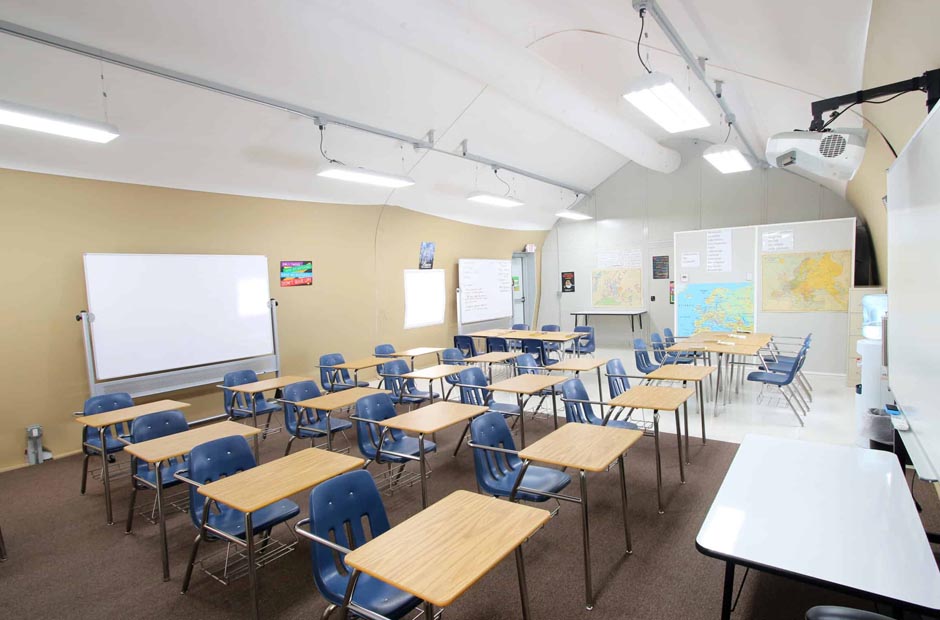
Portable classrooms support instruction through a layout that improves movement and visibility. Teaching stations could be placed near wall space, with rear learning pods kept within the instructor’s sightline. Custom shelving and work surfaces near active zones give students direct access to materials and allow educators to stay organized. Teaching walls placed opposite the primary daylight side keep display areas visible while windows admit natural light.
Physical zoning supports small-group instruction within the same learning space. Built-in partitions define collaborative zones, while clear sightlines help instructors monitor nearby desks and assist students. Fitted tables near the rear edge anchor learning centers, and each zone remains visible at a glance. Storage built beside and under the entry door creates a resource area near small-group workstations. Acoustical materials along ceilings and floors buffer sound while preserving layout flexibility.
Supporting Portable Classroom Operations
Support spaces outside classrooms help staff manage school functions without interrupting instruction. A visitor badge station in a separate office module keeps front-office activity out of learning areas, and a staff work room across a covered walkway separates administrative work from teaching space. Covered walkways also protect materials from sunlight and rain during movement between units.
Administrative support zones extend the functionality of learning clusters across the campus by providing secure records rooms outside instructional areas for storing supplies and equipment. Prefabricated office units support campus or district meetings and separate leadership tasks from instruction. Ground-level units hold copy machines and consumables, so staff can retrieve materials without crowding teaching areas. Workspace consolidation also supports office tasks near classrooms while preserving instructional space.
Coordinating Portable Classroom Delivery
Portable classroom delivery begins with project requirements that define timing, features, equipment loads, and fabrication schedules. These details support local review and shape contract terms before production begins. School districts may use competitive bids, negotiated contracts, or cooperative purchasing during procurement. After approvals are complete, suppliers confirm specifications before production schedules move forward. The process then shifts into production orders, and field punch lists document final completion.
Discover Portable Classrooms Today
Modular classrooms made of prefabricated materials facilitate quick and non-disruptive assembly that minimizes noise around the existing buildings. The classrooms maximize adaptive programming functionalities for seating capacity according to regulations and weather protection. Durable exterior panels and paints reduce repair cycles and the need for exterior refinishing. Instructors also benefit from the visible lines of sight around the classroom, and students can move between collaborative activities. Seek assistance from reliable companies to find suitable portable classrooms that will provide convenient auxiliary learning environments for your institutions.