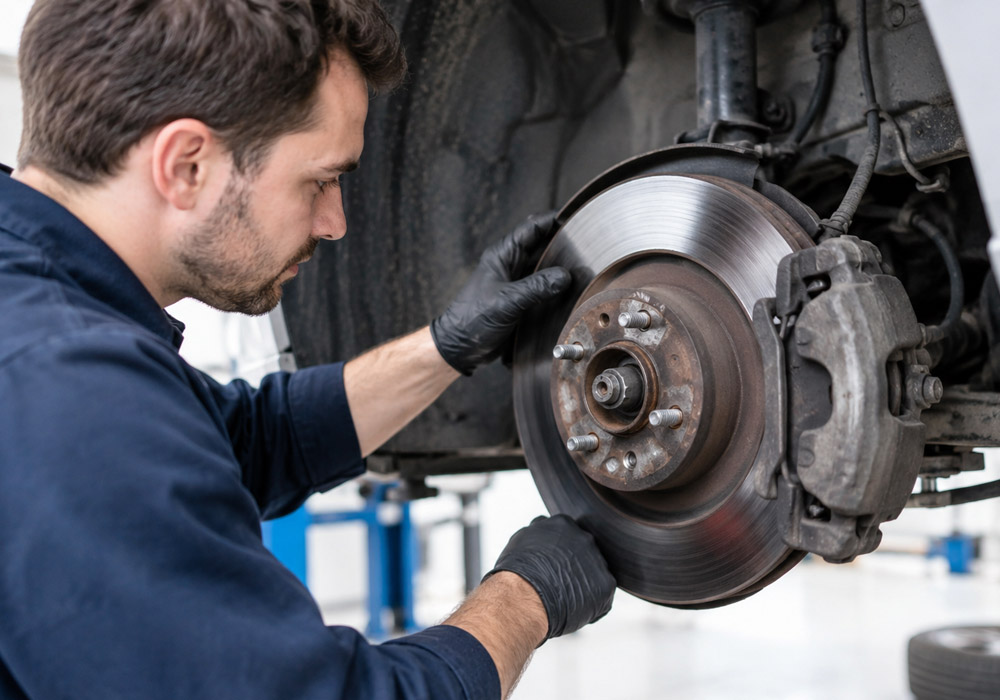
Your brakes are one of the most important safety features in your vehicle. When they are working properly, you can stop smoothly, safely, and with confidence. But when something starts to wear down, your car may give you warning signs before the problem becomes serious. One of the most common signs is noise. If you hear squeaking, squealing, scraping, or grinding when you press the brake pedal, your brake system may need attention. A light squeak can sometimes happen from dust or moisture, but repeated noise should not be ignored. Grinding is more serious because it may mean the brake pads are already worn down. If you are searching for brakes in Salem, Utah, it may be time to schedule a brake inspection before the issue gets worse.
Your Brake Pedal Feels Soft or Spongy
Your brake pedal should feel steady and responsive. If it feels soft, spongy, loose, or lower than usual, there may be a problem with the brake system. This can happen when there is air in the brake lines, low brake fluid, or another issue that affects pressure. A soft brake pedal can make it harder to stop quickly. This is especially concerning in traffic, on hills, or during sudden stops. Even if your vehicle still stops, the pedal should not feel weak or uncertain. A brake pedal that feels different is a sign your car should be checked soon. Small changes in braking can become bigger safety concerns if they are left too long.
Your Car Pulls to One Side When Braking
If your vehicle pulls to the left or right when you press the brakes, something may be uneven in the braking system. This could be caused by worn brake pads, a stuck caliper, uneven brake pressure, or tire-related issues. Pulling while braking can make the vehicle harder to control. You may notice it more when stopping from higher speeds or when braking on uneven roads. Even a small pull can affect your safety because your car may not stop in a straight line. Drivers deal with everyday road conditions that can change with the weather and season. Reliable brakes help your vehicle stay controlled, especially when roads are wet, busy, or unpredictable.
You Feel Shaking or Vibration
A shaking steering wheel or vibrating brake pedal is another warning sign. This often happens when the brake rotors are uneven or worn. When the brake pads press against an uneven surface, you may feel pulsing, shaking, or vibration. At first, the vibration may only happen at higher speeds. Over time, it may become more noticeable during normal driving. This can make stopping feel rough and uncomfortable. Brake vibration should not be ignored because it can lead to more wear on the brake pads, rotors, and other parts. A brake repair service can help find the cause and restore smoother stopping.
Your Vehicle Takes Longer to Stop
If your car is taking longer to stop than it used to, your brakes may be losing effectiveness. This is one of the most important warning signs to take seriously. Longer stopping distance can happen when brake pads are worn, brake fluid is low, or parts of the system are not working properly. You may notice this when approaching a stoplight, slowing down in traffic, or trying to stop on a downhill road. If you feel like you need to press harder than usual, your vehicle should be inspected. Safe braking depends on quick response. Waiting too long can put you, your passengers, and other drivers at risk.
The Brake Warning Light Turns On
Your dashboard warning lights are designed to get your attention. If the brake warning light comes on, it may mean the parking brake is engaged, brake fluid is low, or the system needs service. If the light stays on after checking the parking brake, do not ignore it. Your car may still drive, but that does not always mean it is safe. Some brake problems can develop quietly before they become obvious. A warning light is your vehicle’s way of telling you something needs to be checked. Scheduling service early can help prevent a more expensive repair later.
You Smell Burning After Braking
A burning smell after braking can be a sign that your brakes are overheating. This may happen after heavy braking, driving downhill, or stopping often in traffic. However, if the smell is strong or keeps coming back, it may point to a serious issue. Overheated brakes can lose power and make it harder for your vehicle to stop. If you notice a burning smell, pull over safely and let the vehicle cool down. Avoid touching the wheels or brake parts because they may be very hot. If the smell happens during normal driving, have your brakes inspected as soon as possible. Heat can damage brake parts and reduce your vehicle’s stopping ability.
Your Brake Pads Look Worn
Some vehicles allow you to see the brake pads through the wheel. If the pads look very thin, they may need replacement. Brake pads are designed to wear down over time, but they should be replaced before they become too thin. Worn brake pads can cause noise, vibration, and longer stopping distance. If they are not replaced in time, they can damage the rotors and make the repair more expensive. Regular brake maintenance helps catch worn pads early. This can keep your vehicle safer and help you avoid bigger problems.
Why Brake Service Should Not Wait
Brake problems usually get worse over time. What starts as a small noise or minor vibration can turn into a bigger repair if ignored. More importantly, weak brakes can affect your ability to stop safely when it matters most. Brake service can include checking the pads, rotors, calipers, brake fluid, and other important parts. A full brake inspection gives you a clearer idea of what your vehicle needs and how soon repairs should be done. Taking care of your brakes early is one of the best ways to protect your car and everyone inside it. If something sounds, feels, or smells different when braking, it is better to have it checked before it becomes a serious safety issue.