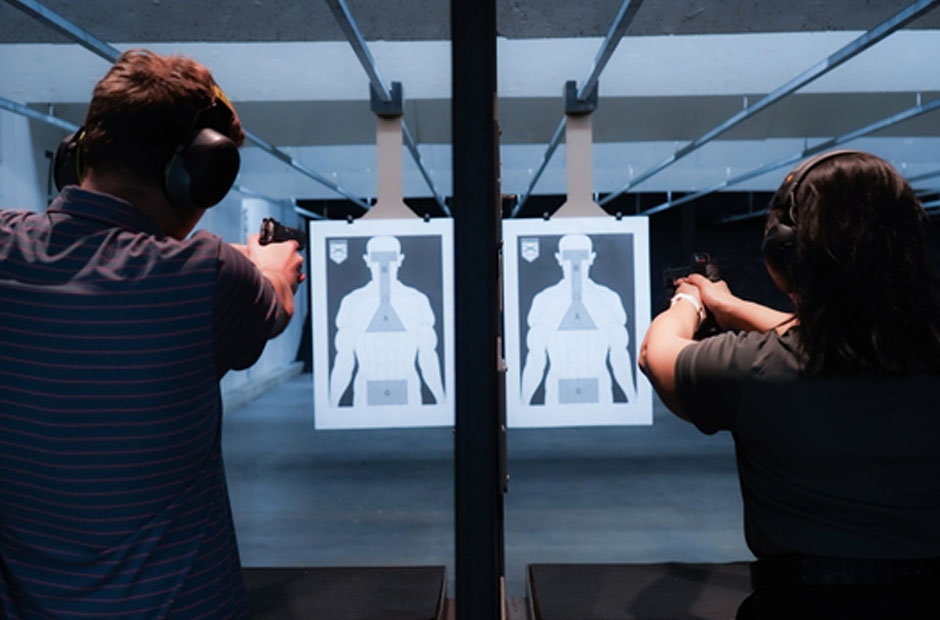
Step into an indoor range, and the first thing you notice is the sound. Gunfire echoes off concrete walls, and even with ear protection, the sharp blast can feel intense. That environment demands focus, yet noise and pressure can make practice more exhausting than expected.
Many shooters explore tools that make indoor sessions smoother, including options like a pistol silencer designed to reduce sound and manage gas. Suppressors do not eliminate noise, but they change how it feels inside enclosed spaces. Here is how they improve comfort, communication, and overall range experience.
Reduced Sound Levels In Confined Spaces
Indoor ranges amplify sound because walls and ceilings reflect the blast. Each shot creates pressure that lingers briefly in the air. A suppressor lowers the intensity of that report, which makes the space feel less overwhelming.
Shooters still wear hearing protection, yet reduced blast decreases ear fatigue over time. The difference becomes clear during longer practice sessions. Instead of leaving the range drained from constant concussion, shooters usually report feeling more comfortable and focused.
Clearer Communication On The Firing Line
Conversation inside an indoor range can be challenging. Instructors and shooters may need to raise their voices to be heard. That strain interrupts learning and slows down corrections.
A pistol silencer helps reduce the sharp crack of each shot, which makes communication easier between drills. Instructors can give directions without shouting across lanes. This clearer exchange supports better understanding and safer coordination during training.
Key benefits include:
- Easier coaching during live fire
- Faster feedback between shots
- Improved safety through clearer commands
When communication improves, the entire session runs more smoothly.
Less Recoil Perception And Muzzle Rise
Suppressors redirect gases as the bullet exits the barrel. This redirection can slightly soften the felt recoil impulse. Indoors, where every movement feels amplified, that smoother impulse makes a noticeable difference.
Shooters usually describe the firearm as feeling more stable between shots. Reduced muzzle rise helps maintain sight alignment and quicker follow-up shots. In a controlled indoor setting, that added stability improves consistency during drills and target transitions.
Reduced Blast And Pressure
Indoor ranges contain more than just sound. Muzzle blast and pressure waves bounce off surfaces and return toward the shooter. This effect can create discomfort, especially during rapid fire.
A suppressor reduces forward blast, which lowers the pressure experienced at the shooter’s position. Benefits typically include:
- Less sharp concussion against the face and hands
- Reduced distraction during sustained firing
- Improved overall comfort in tight shooting lanes
Managing blasts inside confined spaces helps shooters stay focused on fundamentals rather than reacting to each shot.
Enhanced Focus And Confidence
Comfort influences performance more than many realize. When noise and pressure decrease, shooters can concentrate on grip, trigger control, and breathing. Indoor training becomes more productive when distractions remain minimal.
Confidence also grows in a calmer environment. New shooters feel less startled by each shot, and experienced shooters appreciate a steadier rhythm. A well-selected suppressor contributes to a more controlled and predictable session indoors.
Indoor shooting presents unique challenges that differ from outdoor practice. Sound reflection, pressure buildup, and communication barriers all shape the experience. Suppressors help address these issues by reducing blast, improving stability, and supporting clearer instruction. Thoughtful equipment choices help create safer, more comfortable indoor range sessions that encourage consistent practice and skill development.