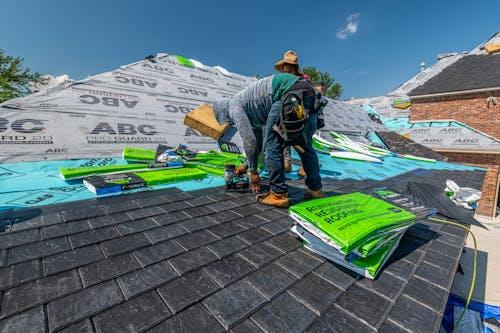
Have you ever looked up at your roof in North Andover, Massachusetts and wondered what’s really going on up there? Most homeowners don’t think about it until something leaks, creaks, or falls apart. Roof maintenance tends to sit low on the priority list, right until it becomes urgent and expensive. A well-kept roof quietly protects everything beneath it, yet it is often the most overlooked part of the home.
The Quiet Workhorse Above Your Head
A roof does more than keep rain out. It regulates temperature, supports ventilation, and protects structural integrity. With extreme weather becoming more common across the U.S., from intense summer heat to sudden storms, roofs are under more stress than ever.
Ignoring small issues allows them to grow into costly repairs. A missing shingle might seem minor, but it can lead to water intrusion, mold growth, and insulation damage. Regular inspections, even just twice a year, help catch these problems early and keep repair costs manageable.
Why Timing Matters More Than You Think
Homeowners often wait until visible damage appears, but by then the problem has already spread. In many regions, including places like Massachusetts where North Andover roof replacement projects have surged, weather patterns have made early intervention essential rather than optional.
The cost of materials and labor has also risen due to supply chain disruptions and inflation. Acting sooner rather than later can save thousands of dollars. Replacing a few shingles today is far cheaper than replacing an entire roof tomorrow, especially when demand spikes after major storms.
The Cost of Ignoring Small Problems
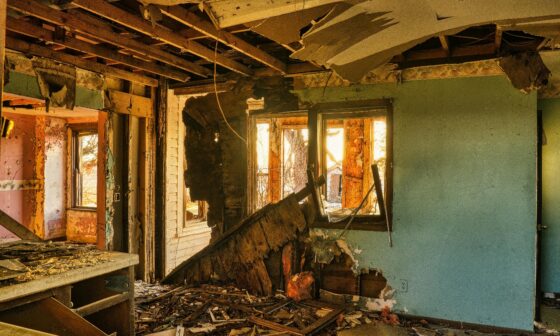
A small leak rarely stays small. Water travels, and it tends to find the worst possible places to settle, like behind walls or under flooring. What starts as a drip can quickly turn into structural rot or electrical hazards.
Insurance companies have also tightened their policies. Claims related to neglected maintenance are often denied, leaving homeowners to cover the full cost. Regular upkeep is not just practical, it is a form of financial protection that prevents unpleasant surprises when filing a claim.
Seasonal Maintenance Is Not Optional
Each season brings its own challenges. In the fall, leaves trap moisture and clog gutters. In the winter, ice dams can form and force water under shingles. Spring introduces heavy rains, and summer heat can cause materials to expand and crack.
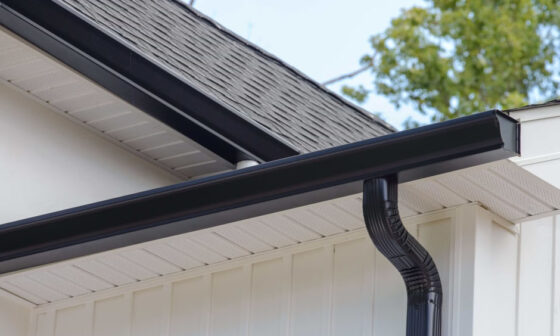
A simple seasonal checklist can make a huge difference. Clean gutters, inspect flashing around chimneys, check for loose shingles, and look for signs of sagging. These tasks do not require professional skills, just consistency and a bit of attention.
Signs It’s Time for a Replacement
Even with consistent maintenance, every roof reaches a point where repairs are no longer enough. Curling shingles, frequent leaks, dark streaks, and visible sagging are clear indicators that the roof’s lifespan is nearing its end. If your roof is over 20 years old, it is wise to start planning rather than reacting.
Waiting too long can increase damage to the home’s structure and interior. A timely replacement not only restores protection but can also improve energy efficiency and property value. It is one of the few upgrades that homeowners rarely regret once completed.
How Maintenance Protects Home Value
A well-maintained roof plays a major role in preserving a home’s market value. Buyers are quick to notice roof condition, and a neglected one can lower offers or delay sales. In competitive housing markets, a solid roof can even become a selling point.
Routine upkeep signals that the entire home has been cared for properly. It reduces the likelihood of inspection issues and gives buyers confidence. In a time when real estate decisions are increasingly cautious, keeping your roof in top shape is both a practical and strategic move.
The Role of Proper Ventilation
Ventilation might not sound exciting, but it plays a major role in roof health. Poor airflow traps heat and moisture, which can warp wood and shorten the lifespan of roofing materials. In hot climates, it also drives up energy bills by making cooling systems work harder.
A well-ventilated attic helps regulate temperature and prevents condensation. Ridge vents, soffit vents, and attic fans all contribute to a balanced system. Investing in ventilation improvements often pays for itself through energy savings and reduced repair needs.
Materials Matter More Than Trends
Home improvement shows often highlight stylish roofing options, but durability should always come first. Asphalt shingles remain popular because they balance cost and performance, while metal roofs are gaining traction for their longevity and energy efficiency.
Choosing the right material depends on climate, budget, and long-term plans. In areas prone to storms, impact-resistant shingles can reduce damage. In hotter regions, reflective materials help lower cooling costs. Trends come and go, but practicality tends to win in the long run.
Professional Inspections Versus DIY Checks
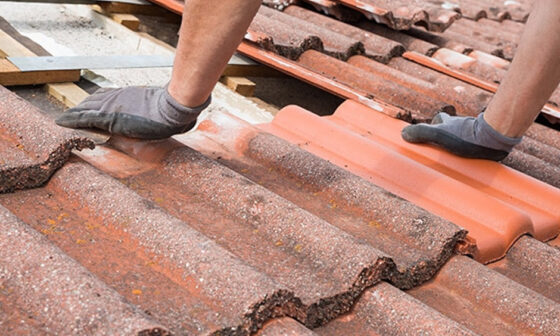
Climbing onto your roof might seem like a good way to save money, but it can be risky. Professional inspectors know what to look for and can spot issues that are easy to miss from the ground. They also have the tools and safety equipment to do the job properly.
That said, homeowners can still perform basic checks. Using binoculars to scan for damage, inspecting ceilings for water stains, and checking gutters for granules are all simple ways to stay informed. Combining DIY awareness with professional expertise offers the best results.
Climate Change and the Future of Roofing
Roof maintenance is becoming more important as weather patterns shift. Stronger storms, heavier rainfall, and longer heat waves are putting additional strain on homes across the country. What worked twenty years ago may not be enough today.
Homeowners are starting to think more proactively. Some are investing in solar panels, while others are upgrading to more resilient materials. The roof is no longer just a protective layer; it is becoming a key part of energy efficiency and sustainability in modern homes.
Keeping a roof in good condition does not require constant attention, but it does require consistency. A few hours of maintenance each year can prevent major expenses and protect the comfort of your home. The irony is that the better you care for your roof, the less you will have to think about it, which is exactly how it should be.