Bangkok has long been a vibrant hub for expatriates, but the landscape of luxury living in the Thai capital is currently evolving at a rapid pace. With recent reports showcasing how corporate expansion is shaping expat real estate trends in Bangkok, competition for premium, transit-connected properties has never been fiercer. As multinational corporations continue to relocate their executive teams to Southeast Asia, the demand for high-end accommodation in central districts has surged. However, stepping into this fast-paced market requires careful planning. Before committing to a high-end lease, incoming professionals must understand the nuances of the local property sector to ensure a smooth transition.
Navigating the Surge in Super-Luxury Residences
The Thai capital has firmly established itself as Southeast Asia’s premier market for ultra-luxury and branded living. Because the options are vast, working with a reputable property agent is highly recommended to help narrow down the residences that best suit your lifestyle. World-renowned developments, such as The Ritz-Carlton Residences in the MahaNakhon building and the Four Seasons Private Residences, offer unrivalled amenities and professional management. This level of service often removes the daily maintenance burdens for overseas professionals. Furthermore, the upcoming Porsche Design Tower Bangkok, anticipated for completion in 2028, is another testament to the continuing demand for distinctive, super-luxury properties in the city.
Residential developers continue to adapt their condominium designs, delivering high-quality projects that appeal to both local and international buyers. For expatriates, this means the quality of living is exceptionally high, but it also means navigating a market where pricing and expectations are firmly set at international standards. Developers are increasingly aiming to achieve premium pricing through international hospitality branding, giving residents access to world-class concierge services, exclusive fitness centres, and private dining facilities right on their doorstep.
Understanding Thai Leasing Standards
Securing a luxury condominium in Bangkok involves specific contractual standards that might differ significantly from those in Western markets. Standard lease agreements for high-end properties typically require a minimum commitment of one year, though longer terms can occasionally be negotiated for greater rate stability. Tenants should expect to provide a two-month security deposit alongside one month of rent paid in advance. Furthermore, it is standard practice in Thailand for tenants to cover their own utility bills, such as electricity, water, and internet, while landlords retain responsibility for major structural repairs and common area maintenance fees.
Because the legal and financial expectations can be quite rigid, having a dedicated expert on your side is invaluable. An experienced professional helps you negotiate favourable lease terms and decode the nuances of local contracts. They can ensure that the distinction between tenant and landlord responsibilities is clearly outlined in writing before any funds are transferred, protecting you from unexpected costs further down the line. They can also assist with translation and guarantee that any special requests are legally binding.
Essential Checks Before Signing Your Lease
Beyond the contract itself, there are several crucial factors that expatriates must evaluate to guarantee long-term comfort and legal compliance. Here is a checklist to guide your decision before finalising a lease:
- Proximity to Mass Transit: Prime expatriate residential hotspots are heavily concentrated along the Sukhumvit BTS Green Line, particularly in Phrom Phong, Thong Lo, and Ekkamai. Recent public transit expansions, such as the MRT Yellow Line, have actively shifted rental dynamics, driving up lease prices by 15 to 25 percent near newly connected eastern stations within their first year of operation. Ensure your chosen location aligns with your daily commute and budget.
- Visa and Residency Alignment: Check if your stay aligns with the Thai government’s Long-Term Resident visa. This ten-year residency scheme caters to highly skilled professionals and offers benefits like a flat 17 percent personal income tax rate. To qualify without making significant local investments, applicants generally need to demonstrate a minimum personal income of $80,000 USD annually over the past two years.
- Property Management Quality: Evaluate the reputation of the building’s juristic office, as they will be your primary point of contact for day-to-day issues. In branded developments, professional property management operates at a high standard, but non-branded luxury buildings can vary significantly in their service quality.
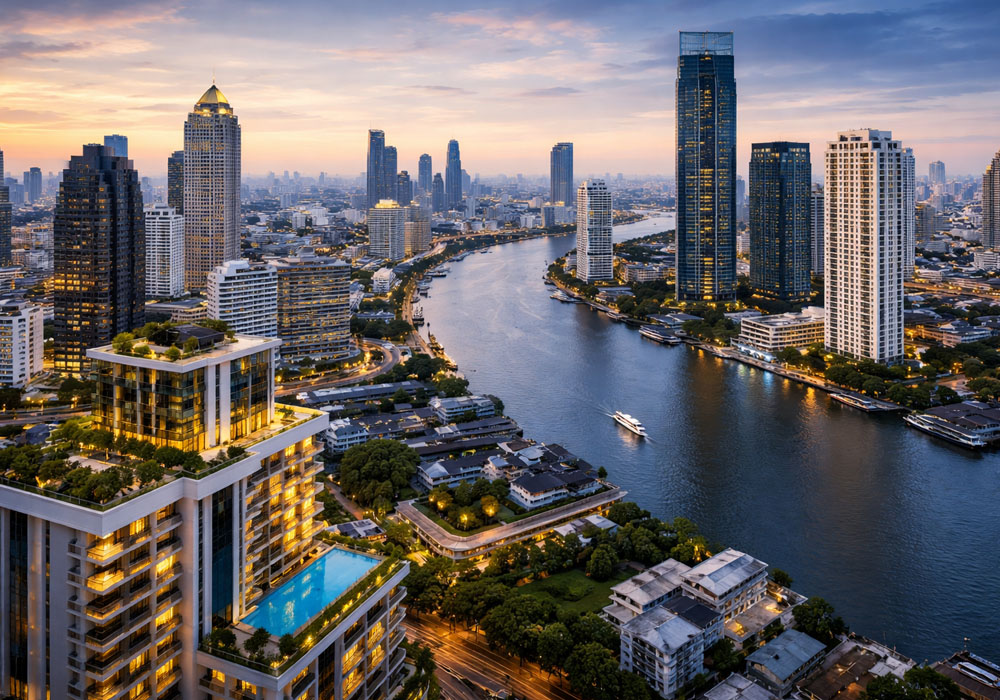
- Neighbourhood Amenities: Beyond the Sukhumvit corridor, areas like the Sathorn financial district and the scenic Chao Phraya Riverside continue to command premium lease rates. Confirm that the neighbourhood offers necessary amenities, such as international schools and premium retail hubs, to suit your lifestyle.
Relocating to Bangkok offers an exciting opportunity to experience one of the world’s most dynamic cities from the comfort of a world-class residence. Whether you prefer the vibrant street life and Michelin-starred dining of Thong Lo or the serene, sweeping river views of Charoen Krung, taking the time to thoroughly evaluate your options is essential. By understanding the evolving luxury market, familiarising yourself with local leasing standards, and carefully vetting your chosen property, you can secure a home that perfectly complements your new professional chapter in Thailand. With the right preparation and expert guidance, your transition into Bangkok’s premium real estate market will be both seamless and rewarding.