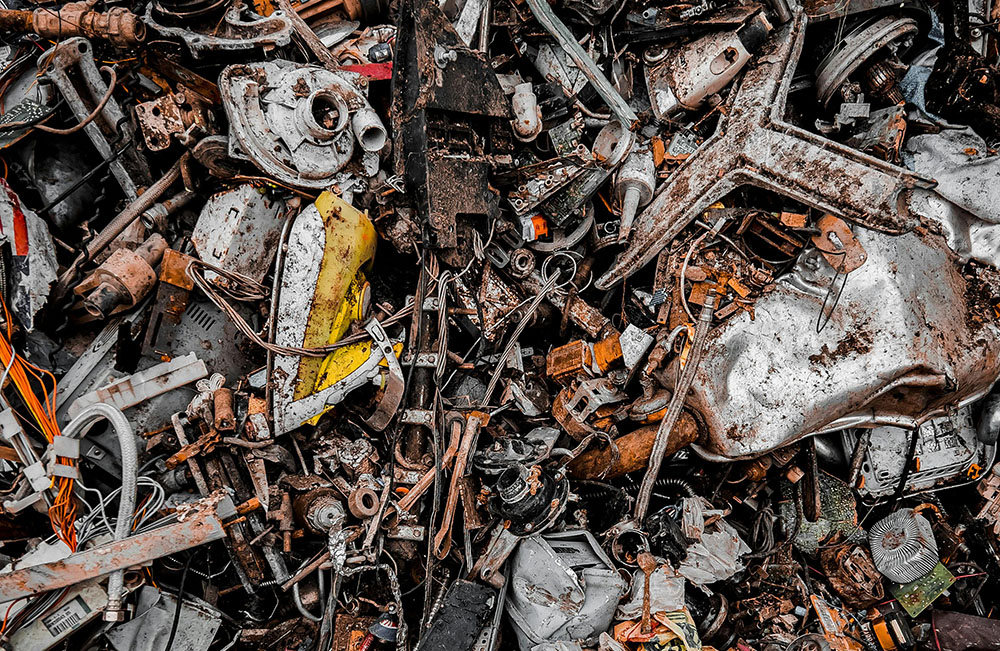
It is easy to assume that once an old couch, broken appliance, or pile of clutter disappears from the driveway, it simply vanishes into a landfill. For many people, junk disposal feels like a “set it and forget it” process. Out of sight, out of mind.
But what actually happens after a pickup is far more complex than most people realize.
The truth is that responsible junk handling involves multiple stages of sorting, transport, recycling, donation, and disposal. And understanding that journey matters, especially in communities working toward sustainability goals. When residents know where their discarded items go, they are more likely to make thoughtful decisions about what they throw away, what they reuse, and how they dispose of materials that could harm the environment.
Transparency in waste management is not just a feel-good concept. It shapes behaviour. It influences local landfill use. And it determines whether usable materials get a second life or not. Below is a behind-the-scenes look at the journey of your unwanted items after expert removal.
Common misconceptions about junk disposal
Many people assume that everything collected gets dumped into a landfill because it is the fastest and cheapest option. Others believe that recyclables automatically get recycled just because they were placed in a separate pile.
In reality, junk disposal depends heavily on what the items are made of, what condition they are in, and whether they can be processed safely. Not everything is recyclable, and not everything is trash. Some items can be donated, salvaged, or broken down into reusable materials.
Step 1: On-site sorting at pickup
The process often begins before anything even leaves the property. At pickup, responsible teams typically do an initial sorting process, separating items into categories such as:
- Landfill-bound waste
- Recyclable materials
- Donation-ready goods
- Scrap or salvage items
- Hazardous materials requiring special handling
This is one of the most important stages because it determines what can be diverted away from landfills. Many households unknowingly throw away items that are still usable.
Furniture with minor wear, working electronics, kitchen items, and gently used clothing often have value beyond the original owner. Even when an item cannot be donated in full, parts of it may still be recyclable. For example, an old desk might have reusable wood panels, or a broken appliance might contain valuable metal components.
The goal at this stage is not just removal. It is identifying what can be recovered and what truly qualifies as waste. In many cases, this first sorting step is what makes responsible junk experts significantly more sustainable than tossing everything into your dumpster.
Step 2: Transportation to proper facilities
After sorting, items are loaded and transported. This is where the process becomes less visible to customers, but it is also where sustainability practices are either upheld or abandoned. Depending on the material and infrastructure, junk may be transported to:
- Recycling centres
- Donation organizations
- Transfer stations
- Salvage yards
- Landfill sites
A transfer station is often a midway point where waste is consolidated and redirected. It functions as a sorting hub that can send different material streams to their final destination.
- Recyclable goods usually lead to facilities equipped to handle specific materials.
- Electronics often require separate processing due to hazardous components.
- Metal may be delivered to scrap yards.
- Cardboard and plastics are sent to recycling plants.
- Donation items are typically delivered to local nonprofits or community reuse programs, where they are evaluated and distributed.
Sustainable disposal is tied to whether a hauling service has partnerships and processes for diversion. Without that infrastructure, everything is likely to end up in the same place.
Step 3: Recycling and reuse process
Once items arrive at the appropriate facilities, the recycling and reuse stage begins.
How materials are recycled
Different materials follow different recycling paths. Some of the most common include:
- Metal: Metals like steel, aluminium, and copper are separated, melted down, and reprocessed into new materials. Recycling metal uses significantly less energy than mining and refining raw ore.
- Wood: Wood can be repurposed for construction material, mulch, or biomass energy, depending on the condition. Clean, untreated wood is the most reusable.
- Electronics: E-waste recycling involves dismantling devices to recover valuable components like circuit boards, metals, and plastics. Proper e-waste processing is critical because electronics may contain toxic substances such as lead or mercury.
- Cardboard and paper: Paper products are shredded and pulped, then turned into recycled paper goods.
Giving usable items a second life
Many items can simply be reused. Furniture, bicycles, lamps, shelving, and household goods are often cleaned and resold or redistributed through donation channels. This is one of the most impactful sustainability outcomes because reuse is always preferable to recycling. Recycling still requires processing energy. When done correctly, the reuse stage supports local circular economies and reduces demand for new consumer goods.
Step 4: Responsible disposal of non-recyclables
Some items are damaged beyond repair, contaminated, or made from mixed materials that are difficult to separate. These non-recyclables may include:
- Heavily stained mattresses
- Broken particleboard furniture
- Certain insulation or construction debris
- Contaminated fabrics
- Non-recyclable plastics
This is the portion of junk that typically ends up in landfills. However, responsible disposal still matters. Waste must be handled according to local regulations, and items such as paint, chemicals, batteries, and fluorescent bulbs must be treated with extra care.
Safe handling of hazardous materials
Improper dumping can lead to serious environmental consequences, including soil contamination and groundwater pollution. Responsible disposal may require transporting hazardous waste to approved facilities designed to manage toxic materials safely. This prevents dangerous substances from leaching into ecosystems or entering water supplies.
The environmental impact of proper junk handling
The difference between careless dumping and responsible handling is significant. When junk is sorted properly, recycled materials are recovered, donation-worthy items stay in circulation, and less waste ends up in landfills. That directly reduces methane emissions from decomposing waste, lowers the need for new manufacturing, and minimizes pollution.
Proper junk handling also helps communities maintain cleaner neighbourhoods. Reduced dumping leads to fewer pests, fewer contaminated lots, and fewer public cleanup costs.
In the long term, sustainable disposal practices support broader environmental goals, including resource conservation and reduced carbon output.
For residents who want to make more responsible choices, working with a provider that prioritises recycling and donation can be a meaningful step. For example, services that emphasize ethical hauling and diversion efforts, such as junk removal professionals, reflect how waste removal can align with sustainability instead of undermining it.
The journey does not end at the curb
Junk does not simply disappear after pickup. It moves through a multi-step system that includes sorting, transportation, recycling, reuse, and disposal. Every stage affects how much waste is diverted from landfills and how much environmental harm is prevented.
Understanding what happens behind the scenes gives people more confidence that their disposal choices matter. It also encourages smarter habits, like donating usable goods, separating recyclables, and avoiding hazardous waste in regular trash. Ultimately, the real value of responsible junk removal is not just in clearing space. It is in ensuring that what gets removed is handled with care, redirected when possible, and disposed of responsibly when necessary.
*Sponsored Blog Post