Discovering termites in your home can immediately cause panic thoughts in your head with regard to hidden destruction and expensive repair. These tiny insects often go unnoticed as they quietly feed on the wood structures, which means that the issue may already be forming behind the walls, under the floors, or within foundations. As a result, many homeowners are unsure of the proper course of action to take once they see signs such as mud tubes, damaged wood, or discarded wings.
However, a fast reaction and informed decisions can have a major impact in reducing the risk of severe structural damage. Instead of ignoring the problem or taking haphazard solutions, it helps to follow a clear and practical approach.
This article explains what you need to do right after discovering termites, and how to deal with the situation effectively to save your property.
1. Confirm Signs of Termite Activity
The first thing to do after suspecting termites is to confirm the indications of activity. Termites do not usually show themselves openly, and so the clues they leave are important indicators.
You might see mud tubes along walls or foundations, hollow-sounding wood or piles of discarded wings around windows and doors. These signs oftentimes indicate that there is already a colony that is active inside or around the property.
At this stage, many homeowners start looking for top-rated termite control services, as a professional inspection helps determine the extent of the infestation. Early confirmation enables you to act before termites extend their colony further.
In addition, do not disturb the area too much. Breaking mud tubes or spraying chemicals randomly will scatter the termites and make them harder to detect during inspection.
2. Avoid DIY Treatments That May Worsen The Problem
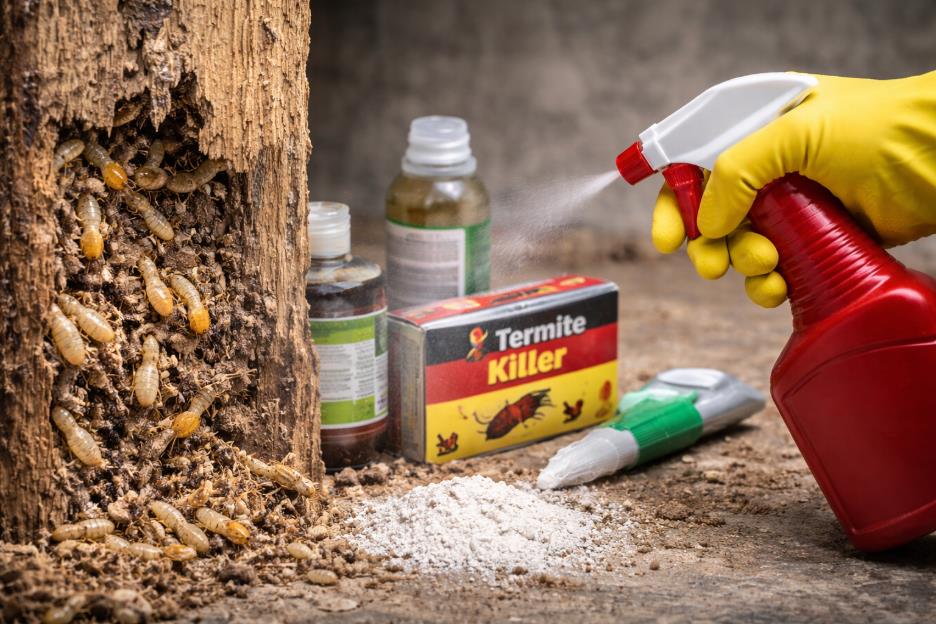
Once termites are discovered, the instinct to eliminate them instantly is understandable. However, trying to treat the problem using household pesticides or over-the-counter treatments usually provides only temporary relief.
Many store-bought products will only kill termites that are visible. Meanwhile, the primary colony can still be active, hiding underground or in concealed buildings. Because termite colonies can have thousands of insects, eliminating a small number of the workers does not often work to eliminate a termite infestation.
Furthermore, chemical application that is not done properly can cause termites to move deeper into the structure. As a result, the damage progresses while the visible signs disappear on a temporary basis.
Instead of only relying on the DIY methods, it is more effective to know where the infestation is coming from and target the colony itself.
3. Understand the Scope of Infestation
Termite damage rarely develops overnight. In fact, colonies can be active for months or even years before homeowners notice visible signs.
Therefore, once termites are confirmed, it is important to know the extent of the infestation. Some infestations may be confined to a small area while others may spread throughout extensive portions of a structure.
There are a number of factors that impact the spread of termites:
- Moisture levels around the property
- Soil contact with wooden structures
- Hidden entry points in foundations or walls
- Nearby termite colonies in the surrounding soil
By having a better understanding of these things, you can make more well-thought-out decisions on treatment and prevention.
More importantly, identifying the scope helps to prevent the underestimation of the problem. Addressing termites early often saves on high repair costs later.
4. Address Conditions That Attract Termites
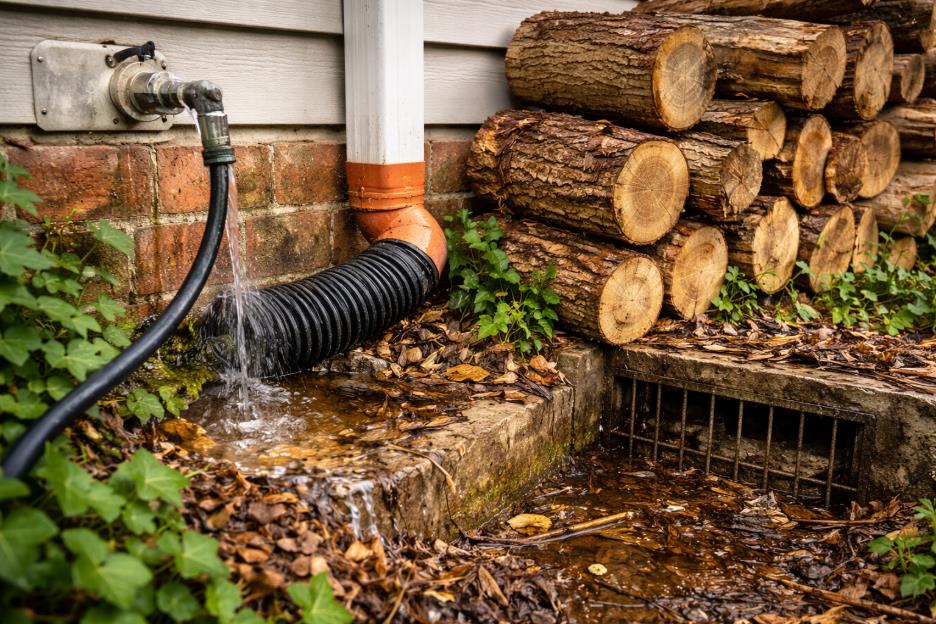
While treatment aims at existing termites, minimizing the conditions attracting termites plays an important role in prevention in the future.
Termites thrive in environments that offer moisture, wood, and shelter. As such, there are a number of property conditions that can accidentally promote termite activity.
Consider attempting to address the following risk factors:
- Leaking pipe or poor drainage near the foundation
- Firewood stacked directly against the house
- Wood siding in contact with the soil
- Excess moisture in crawl spaces or basements
Improving ventilation, repairing leak damage, and keeping a proper area between the soil and wood structures can greatly help to reduce the termite attraction.
Furthermore, regular property maintenance will help to identify possible problems before they turn into an infestation.
5. Establish Long-Term Termite Prevention
Even after termites are eliminated, prevention remains essential. Termite colonies exist naturally in the soil, which means properties can become vulnerable again over time.
A long-term prevention strategy typically includes periodic inspections and protective measures around the structure. Monitoring systems, for example, can help detect pest activity early before significant damage occurs.
In addition, maintaining a termite-resistant environment involves:
- Inspecting wooden structures regularly
- Keeping gutters and drainage systems clear
- Monitoring outdoor wooden elements such as decks or fences
- Scheduling routine professional evaluations
Through consistent monitoring and maintenance, you reduce the likelihood of another infestation developing unnoticed.
Final Thoughts
Finding termites in your home can feel alarming, yet taking prompt and informed action helps protect your property from serious structural damage. Instead of reacting impulsively, it is far more effective to confirm the warning signs, avoid ineffective treatments, and arrange a proper inspection as early as possible.
In addition, understanding the scope of the infestation allows you to make better decisions about how the problem should be handled.
Termites often remain hidden inside walls, floors, and foundations, which means the visible signs may represent only a small portion of the activity. Because of this, a careful evaluation is essential before choosing a treatment approach.
At the same time, addressing the conditions that attract termites, such as excess moisture, wood-to-soil contact, and poor ventilation, can significantly reduce the chances of further damage. Small maintenance improvements around the property can make a meaningful difference in preventing termite activity.