Having your roof fully replaced can be daunting.
Lots of information to digest, strange new terms, and big decisions to make. After all, most homeowners will only go through this process once or twice in their lives. Which is why it can be so stressful.
But it doesn’t have to be that way.
When you know what to expect during each stage of the project, it becomes far less intimidating. Not to mention you can avoid making costly mistakes along the way.
Here’s everything you need to know…
What you’ll learn:
- Why you may need a Full Roof Replacement
- Step-by-Step breakdown of a Roof Replacement Process
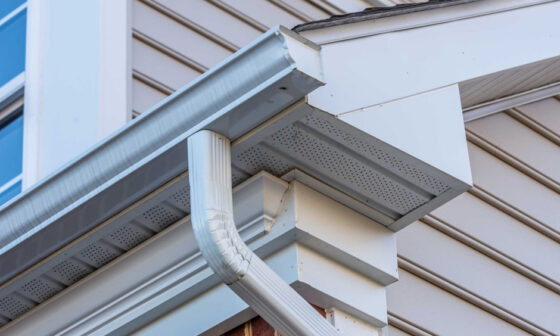
- Gutters and roof replacement
- Timeline of a Roof Replacement
Why you may need a Full Roof Replacement
This is a step-by-step guide to replacing your roof. But you have to start somewhere.
While some damage can be easily repaired, sometimes replacing your roof is the only option. Sagging spots, missing shingles across the whole roof, and constant leaks should raise some red flags.
Leaks, to be exact…
Did you know that roughly 33% of homeowners replace their roof due to leakage?
Once you start spotting leaks inside your home, it’s probably too late. Water damage can spread to insulation, roofing frames, and gutters. Not only will you need to replace your roof but you’ll have to fix any water-related damage.
Plus, don’t forget about your gutters. A reliable Roofing Contractor in Centralia should check those when inspecting your roof AND gutter system. Replace or repair any parts that aren’t up to par so you can avoid foundation damage.
Takeaway: If you spot roof damage early on, you save yourself some money. However, if your roof has reached the point of no return, replacement is your best bet.
Step-by-Step Breakdown of a Roof Replacement Process
Alright, now for the good stuff.
Replacing your roof is not a one-size-fits-all type of situation. However, there is a basic process that most roofing companies will follow.
Step 1: Inspection
You guessed it. The process always starts with an inspection of your roof.
Your roofer will check the condition of your roof and the decking underneath. Depending on how bad your roof is, they’ll be able to tell you if any other damages were concealed by your roof.
Checking your gutters and downspouts should also be part of the inspection process. Proper gutter maintenance can make or break your roof’s lifespan. Letting water sit on your roof can cause you to have to replace your roof sooner.
Step 2: Pick Your Material
This step is all you.
Roofing stats have shown that asphalt shingles are the most common when it comes to roof replacements. Making up about 80% of all roofing material used.
While they are the most popular, they are not your only option. Some homeowners choose metal roofs for their durability and energy efficiency.
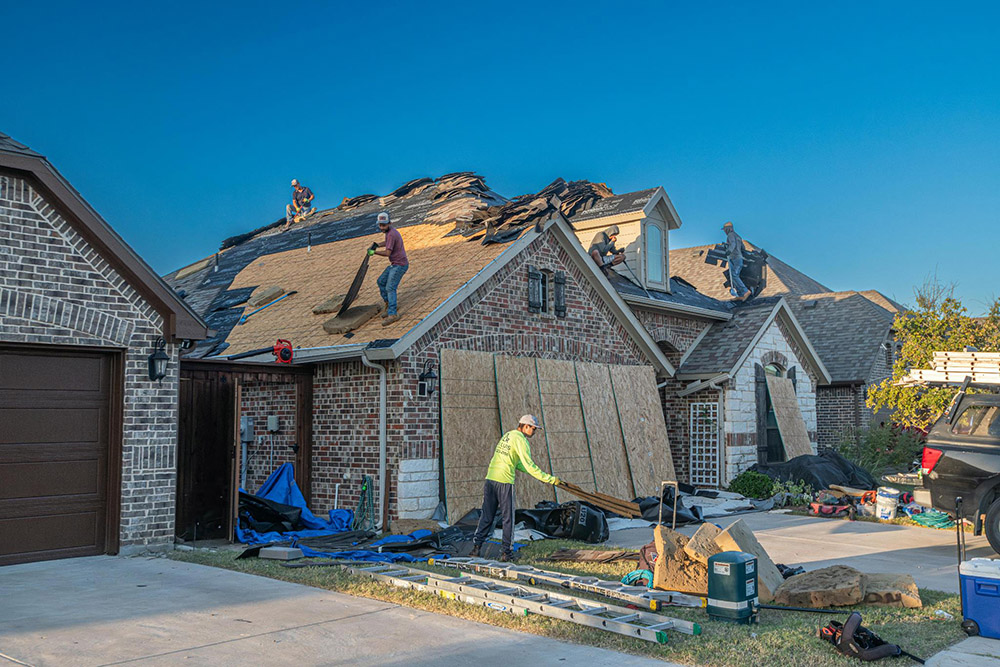
Step 3: Remove Your Old Roof
Brace yourself, this is where all the loud noises come in.
Roofing crews will take off all of your existing shingles as well as underlayments and damaged flashing. This is typically done one section at a time. Unless you request they do otherwise.
There are a few reasons they do it this way:
- Helps identify any hidden damage on your roof.
- Allows them to view and repair any damage on the roof’s decking.
- Ensures they’re laying your new roof on top of a sound foundation.
Keep in mind they will be noisy and there will be some major debris coming from your roof. Any reputable roofing company will place tarps around your home and use dump trailers.
Step 4: Repair Deck and Replace Underlayments
Once your old roof has been removed, they should check your roof’s deck for rotting wood, soft spots, or water damage. If they find any issues within these areas, those should be replaced.
From there, your contractor will lay down your new underlayments.
Step 5: Installation
The fun part!
Your new shingles will be installed starting from the bottom edge of your roof and continuing upwards. They will then install flashing around any chimneys, roof vents, and valleys. This is to ensure water does not get into any openings.
Some additional items they should install:
- Ridge vents
- Drip edges
- Make sure they are sealing everything around penetrations
Cutting corners during the installation process will haunt you in the future. Don’t be that homeowner!
Step 6: Cleanup and Final Inspection
As your title suggests, your roofing team should clean up all debris that was left behind during the installation. They should also use magnetic sweepers to collect stray nails.
After they’ve cleaned up the majority of the mess, they should walk-through with you. Ensuring everything is done to manufacturers specifications.
What Happens to Gutters During a Roof Replacement?
If you aren’t thinking about your gutters during a roof replacement, you should be.
Since gutters are attached to your roof’s edge they will likely need to be removed. Some contractors may even advise you to replace your gutters while they’re at it.
Old gutters can disguise any hidden damages around your roof. Things such as rotting fascia boards, improper gutter pitch, or broken gutter hangers are commonly found.
Don’t forget to examine your gutters during a new roof replacement. Taking the time to remove and replace your gutters can save you a lot of money in the long run.
Your contractors should reattach your gutters after the new roof is installed. This is also a great time to think about adding gutter guards or extending downspouts.
Timeline of a Roof Replacement
Typically, roof replacements take 1-3 days for the average size home. Some factors that can cause it to go faster or slow are weather, roof size, and the number of workers.
Here is a basic timeline of what happens during a roof replacement.
- Day 1: Remove Old Roof and Inspect Deck
- Day 2: Apply Underlayment, Flashing, and New Roofing Material
- Day 3: Finish Roof Installation, Gutter Inspection, and Clean Up
Large roofs can take upwards of a week to complete. Not to mention if they’re forced to stop due to bad weather.
Conclusion
Overall, roof replacements may feel like a daunting task. But if you know what to expect during each process, it can become less stressful.
Remember:
- Inspections are everything.
- Choose your materials wisely.
- Gutters are just as important during a roof replacement.
- Hire professionals who follow a methodical process.
- Consider replacing your gutters as well.
You want your new roof to last, so take pride in your roof by maintaining it yearly. A new roof is one of the best investments you can make as a homeowner.