Getting a tattoo removed is a significant decision that requires careful consideration and planning. Whether you’re dealing with a regrettable design, faded ink, or simply making room for new body art, understanding the laser removal process will help you set realistic expectations and achieve the best possible results.
Understanding How Laser Tattoo Removal Actually Works
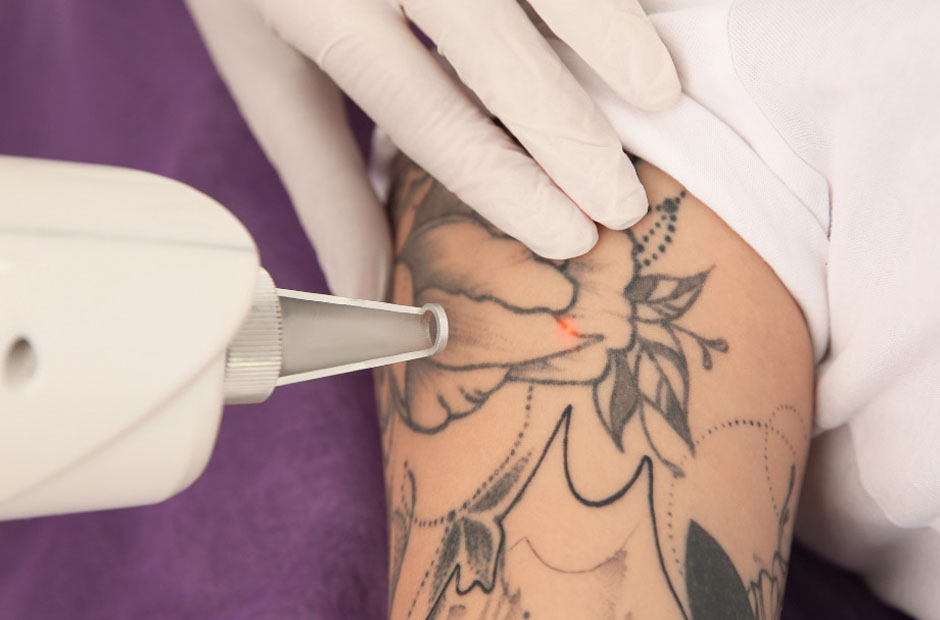
Laser tattoo removal uses concentrated light beams to break down ink particles embedded in your skin. The laser targets the pigment without damaging the surrounding tissue, fragmenting the ink into smaller pieces that your body’s immune system can naturally flush away. This process takes time, which is why multiple sessions are always necessary.
Different wavelengths of light target different ink colors, making some pigments easier to remove than others. Black and dark blue inks typically respond best to treatment, while lighter colors like yellow, green, and fluorescent shades can be more challenging. Understanding this upfront will help you gauge how many sessions your specific tattoo might require.
The Number of Sessions You’ll Actually Need
Most people need between six and twelve sessions to fully remove a tattoo, though some may require more depending on various factors. The size, age, color, and depth of your tattoo all play crucial roles in determining treatment length. Professional tattoos with densely packed ink generally take longer to remove than amateur ones.
Your body’s own healing response also affects the timeline. Factors like your immune system strength, overall health, and even your distance from your heart matter. Tattoos on extremities like ankles and fingers often take longer to fade because circulation is slower in these areas. Spacing sessions six to eight weeks apart gives your body adequate time to process the fragmented ink between treatments.
What the Treatment Actually Feels Like
Let’s be honest: laser tattoo removal isn’t painless, but most people find it tolerable. Many describe the sensation as similar to having a rubber band snapped against your skin repeatedly, or like hot grease spattering on the area. The discomfort is typically brief, lasting only as long as the laser is active.
Most clinics offer numbing options to make the experience more comfortable. These might include topical anesthetic creams, cooling devices, or even local injections for particularly sensitive areas. When researching Ottawa laser tattoo removal services, ask about their pain management protocols to ensure you’ll be as comfortable as possible during treatment.
Preparing Your Skin for Optimal Results
Proper preparation can significantly impact your treatment outcomes. Avoid sun exposure and tanning for at least four weeks before your appointment, as darker skin increases the risk of complications. Well-hydrated, healthy skin responds better to treatment, so drink plenty of water in the weeks leading up to your session.
Stop using products containing retinol or glycolic acid on the tattooed area for at least a week beforehand. If you’re prone to cold sores and your tattoo is on or near your lips, inform your technician, as the laser can trigger an outbreak. Arriving with clean, product-free skin ensures the laser can work most effectively.
Aftercare Is Just as Important as the Treatment
The weeks following each session are critical for healing and achieving optimal results. Your treated skin will be sensitive and require gentle care, similar to a sunburn. Keep the area clean and dry, applying the recommended ointment as directed by your technician.
Avoid picking at any scabs or blisters that form, as this can lead to scarring. Stay out of direct sunlight and skip the gym for a few days to prevent excessive sweating on the treated area. Proper aftercare not only promotes healing but also helps your body process the fragmented ink more efficiently.
Cost Considerations and Realistic Budgeting
Laser tattoo removal is an investment that varies based on tattoo size, complexity, and the number of sessions required. Most clinics charge per session, with prices ranging from a couple hundred dollars for small tattoos to significantly more for larger pieces. Some facilities offer package deals that can reduce the overall cost.
Insurance typically doesn’t cover cosmetic tattoo removal, so you’ll need to budget accordingly. Consider the total cost across all anticipated sessions rather than just the price of one treatment. Many clinics offer payment plans to make the process more financially manageable.
Making Your Final Decision
Choosing to remove a tattoo is personal, and taking time to research your options ensures you’ll be satisfied with your decision. Schedule consultations with qualified practitioners who use modern equipment and can show you before-and-after photos of their work. Ask questions about their experience, training, and what realistic outcomes you can expect.
Remember that patience is essential throughout this journey. While the process takes time, advances in laser technology have made tattoo removal more effective and safer than ever before. With the right preparation, realistic expectations, and commitment to the full treatment course, you can successfully remove unwanted ink and move forward with confidence.