It’s no secret that losing weight can be challenging, especially when diet and exercise alone don’t seem to bring the results one hopes for. Many people try multiple methods, from cutting calories to joining fitness programs, only to find progress is slow or difficult to maintain. This frustration has led to growing interest in modern medical options that can support healthier and more sustainable weight management.
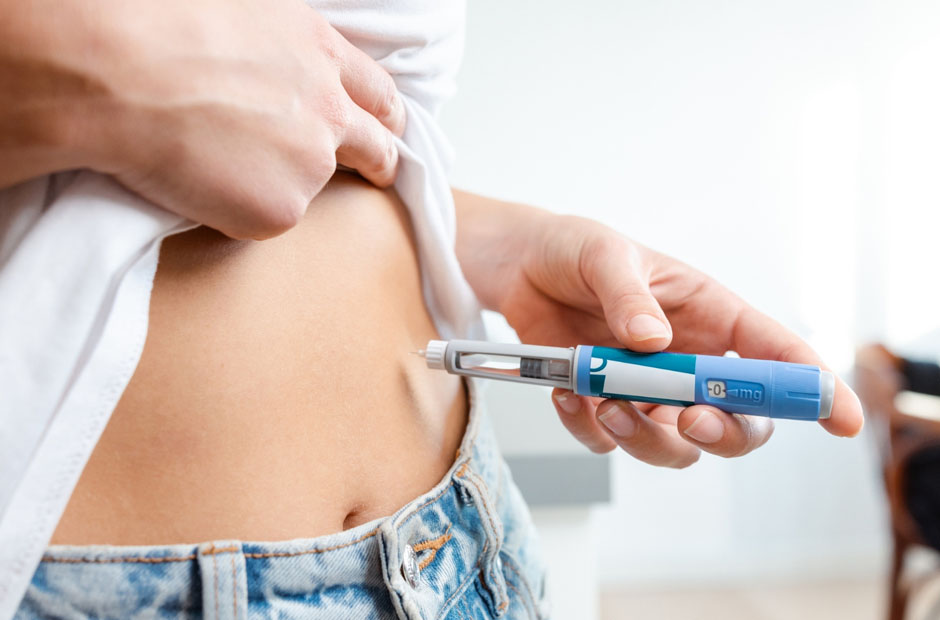
Injectable treatments are among the newest solutions making headlines. These medications, originally developed for other health conditions, have shown success in helping individuals lose weight safely under medical supervision. They’re not a quick fix, but they can support meaningful progress when used correctly.
Before starting any injectable treatment, it’s important to understand how it works, what the process involves, and who may benefit most. Exploring these details helps people make informed decisions that align with their health goals and lifestyle. While some treatments fall under the category of ozempic for weight loss, they differ in purpose, formulation, and how the body responds to them.
How Injectable Treatments Work
Injectable treatments function differently from traditional diet pills or supplements. Instead of relying solely on metabolism boosters or appetite suppressants, they often target specific hormones related to hunger and blood sugar control. These hormones signal to increase feelings of fullness, encouraging people to eat less and manage their cravings better.
Hormonal Regulation and Appetite Control
Certain injectable medications mimic natural hormones like GLP 1, which helps regulate hunger and slow digestion. By enhancing the effects of this hormone, the injections help reduce appetite without significantly affecting energy levels. This adjustment allows individuals to feel more satisfied after meals and maintain smaller portion sizes.
For many, this becomes a key turning point in their health journey. It’s not about deprivation or strict dieting but about finding a sustainable balance. When hunger levels stabilize, people often find it easier to make healthier food choices and maintain consistent eating habits.
Medical Supervision and Personalized Plans
Another essential aspect of injectable weight treatments is medical guidance. Because these injections can influence hormone levels and digestion, they must be prescribed and monitored by a healthcare professional. Doctors typically evaluate a patient’s overall health, medical history, and weight goals before recommending a specific treatment plan.
This personalized approach ensures both safety and effectiveness. A dose that works for one person might not be suitable for another, so frequent follow up visits help fine tune the treatment. Over time, this collaboration between patient and physician creates a more structured and supportive weight management plan.
Gradual Progress and Realistic Goals
Weight loss from injections tends to happen gradually, which supports more sustainable results. Unlike drastic crash diets, slow progress allows the body to adjust naturally. Many people notice improvements in energy levels, mood, and self confidence once the changes start to appear.
More importantly, the long term goal is to build consistency rather than perfection. By combining these treatments with lifestyle adjustments such as better nutrition, regular movement, and stress management, individuals build a foundation for lasting results.
Understanding Benefits and Considerations
Injectable treatments have gained popularity because they provide an alternative for people who have struggled with traditional weight management methods. However, understanding both the benefits and considerations is crucial before starting.
Potential Benefits for Overall Health
Aside from helping with weight reduction, injectable treatments may contribute to improved blood sugar control and a lower risk of metabolic conditions. Some studies suggest that patients with obesity or insulin resistance experience improved cardiovascular health over time. These benefits extend beyond physical appearance, supporting overall health and wellbeing.
Another positive aspect is the confidence that builds when progress becomes visible. Seeing real, measurable results can encourage individuals to stay consistent with their treatment plan and maintain healthier habits over time.
Possible Side Effects and Limitations
Like any medical treatment, injections may come with potential side effects. Common symptoms can include mild nausea, digestive discomfort, or fatigue during the first few weeks of use. These effects often fade as the body adapts, but they’re worth discussing with a healthcare provider before starting treatment.
It’s also important to recognize that these injections are not meant for everyone. Individuals with certain medical conditions, pregnant women, or those taking specific medications should avoid them. A thorough consultation ensures that the treatment aligns with an individual’s health profile and reduces the risk of complications.
The Role of Commitment and Support
Injectable weight treatments can be effective, but they require consistency and commitment. Results depend largely on following the prescribed schedule and making complementary lifestyle changes. Skipping doses or relying entirely on the medication can reduce its effectiveness.
Many people find that having support, from healthcare providers, nutritionists, or even friends, makes the process easier to manage. Accountability helps sustain motivation, especially during periods when progress seems slower. Building a network of support can make long term success more achievable.