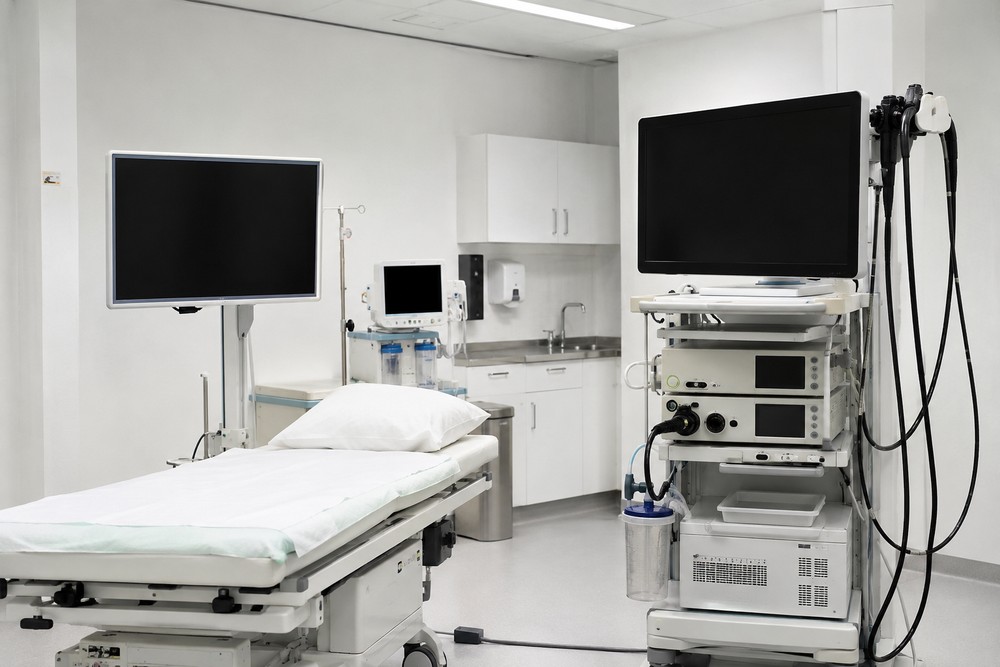
Digestive symptoms can be difficult to pin down. Persistent stomach pain, unexplained changes in bowel habits or trouble swallowing may have several possible causes, and guessing from symptoms alone rarely provides a clear answer. The right investigation can help your doctor understand what is happening and decide what to do next.
Sometimes, that means examining the upper and lower parts of your digestive tract during the same appointment. Understanding how gastroscopy and colonoscopy work, why they may be performed together and what preparation involves can help you make a more informed decision before your procedure.
Why Two Tests May Help
A gastroscopy examines the upper digestive tract, including the oesophagus, stomach and first part of the small intestine. A colonoscopy examines the large intestine and rectum. Although both use a flexible camera, they investigate different areas and can reveal different problems.
Your doctor might recommend one test for persistent upper abdominal discomfort and another for rectal bleeding or a change in bowel habits. When symptoms overlap, investigating both areas may provide a more complete picture than examining only one.
However, more testing is not automatically better. Each procedure should have a clear medical reason, based on your symptoms, medical history, examination findings and individual risk factors. Ask your doctor what each test is expected to clarify and how the results could affect your treatment.
When Combining Makes Sense
Having both procedures during one appointment can reduce the number of separate visits and may mean going through sedation and recovery fewer times. It can also be practical when your doctor needs to investigate concerns affecting different parts of the digestive tract.
The trade-off is preparation. A colonoscopy usually requires bowel cleansing with prescribed laxatives, while a gastroscopy requires fasting for a specified period. Combining the tests does not remove either requirement, so you must follow the instructions for both.
Consider someone who has persistent upper abdominal discomfort and unexplained changes in bowel habits. If their doctor recommends both examinations, a combined appointment may be convenient. But if only one symptom warrants investigation, adding another procedure simply to save a visit may offer little benefit.
The decision rule is straightforward: combine the tests when both are clinically justified and your doctor considers a single appointment appropriate. Convenience should support the decision, not determine it.
Preparation Is Where Mistakes Happen
Many people focus on the procedure itself and overlook the preparation instructions. That can create avoidable problems, particularly when fasting and bowel cleansing must fit into the same schedule.
Before your appointment, confirm these details with your medical team:
- Food and drink: Find out exactly when to stop eating and which clear liquids, if any, are permitted.
- Bowel preparation: Follow the prescribed laxative schedule and drinking instructions carefully.
- Regular medicines: Ask specifically about diabetes medicines, blood thinners, iron supplements and other medicines that may need adjustment.
- Transport home: Arrange for a responsible adult to accompany you if sedation is planned, and follow the clinic’s instructions about driving afterwards.
One common mistake is assuming that a standard fasting period applies to every patient. It may not. Your instructions can vary according to the procedure, sedation plan, medical conditions and medicines you take.
If you accidentally eat or drink outside the permitted window, or cannot finish the bowel preparation, tell the clinic before arriving. Hiding the problem will not make the examination safer or the results more reliable.
What Happens During Recovery
During gastroscopy, the doctor passes a thin, flexible camera through your mouth to inspect the upper digestive tract. During colonoscopy, the camera enters through the anus to examine the colon. Sedation may be offered to help you feel more comfortable, depending on your circumstances and the clinic’s approach.
The doctor may take small tissue samples for laboratory testing or remove certain polyps during the examination, when appropriate. These actions do not necessarily mean cancer is present. Biopsies can help identify inflammation, infection and other conditions, while removed polyps can be examined for abnormal changes.
Afterwards, you may experience temporary bloating, wind or a mild sore throat. Sedation can affect concentration and judgement even when you feel awake, so arrange your day around the recovery instructions rather than assuming you can return immediately to work or normal activities.
Severe or worsening abdominal pain, heavy bleeding, fever, breathing difficulties or persistent vomiting after the procedure should not be dismissed as routine recovery. Seek prompt medical advice, using emergency services for severe symptoms.
Understand the Cost and Follow Up
The total cost depends on more than the camera examination. Your final bill may include consultation fees, sedation, facility charges, tissue sampling, laboratory analysis and any additional treatment performed during the procedure. Coverage and eligibility for subsidies or insurance benefits can also vary.
Before confirming your appointment, ask for an itemised estimate and check which services are included. If both examinations are planned, ask whether the quoted amount covers both procedures and whether pathology or polyp removal could result in additional charges.
For further information about digestive health and medical services, you can also visit AliveoMedical. Use what you learn to prepare specific questions for your doctor and clarify any concerns about your procedure, fees or recovery.
Make Your Next Step Informed
The most useful digestive investigation is not necessarily the one that includes the most tests. It is the one that answers a specific medical question with a preparation plan you can follow and a recovery plan you understand. When both examinations are recommended, knowing why they are needed, what they cost and how to prepare can make the experience less uncertain. Take time to discuss your concerns with your doctor, follow your personalised instructions and make sure you know when and how you will receive your results.