Ever notice how a house seems to act up right when life feels busiest? A faint drip starts during a work call. A door sticks when guests arrive for dinner. Homes rarely break without warning. They send signals long before major damage appears. In San Diego, salt air and seasonal moisture quietly wear down materials. Warm afternoons and cool evenings expand surfaces inch by inch.
Plus, remote work has also increased daily strain on plumbing and HVAC systems. Higher utility costs make hidden inefficiencies more expensive. Supply chain delays mean repairs now take longer to complete. Ignoring small clues often leads to larger bills. Houses behave like living systems that require steady attention. They whisper through sounds, smells and subtle shifts. Paying attention early prevents chaos later.
In this blog, we will share how to recognize those signals, interpret what they mean and respond before minor repairs turn into major financial setbacks.
Stains, Spots and the Story Behind Them
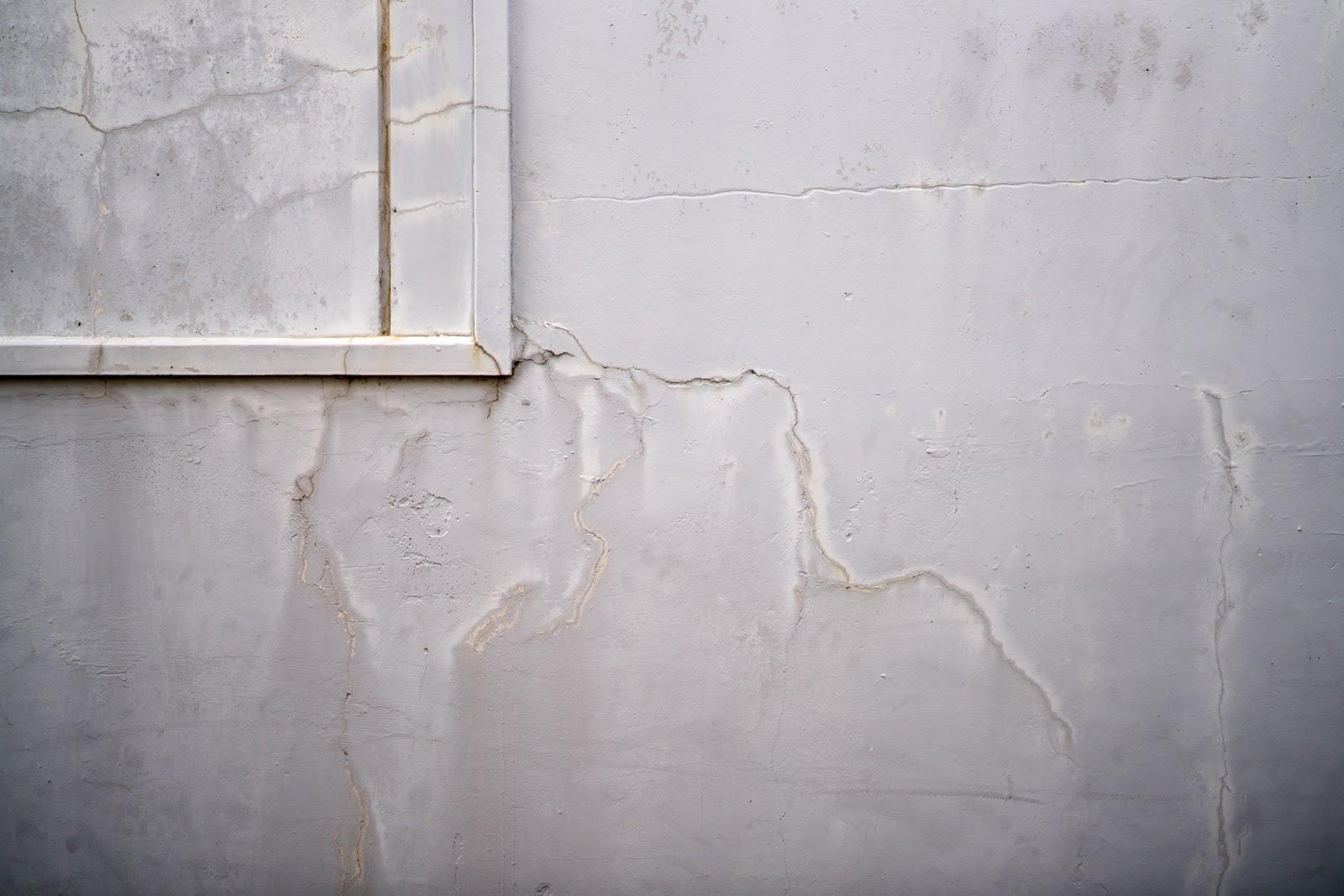
Walls and ceilings rarely discolor without reason. A small yellow ring often signals trapped moisture above. Paint bubbles when water seeps beneath its surface. That peeling corner might indicate hidden humidity. Many homeowners treat stains as cosmetic issues. A quick coat of paint hides evidence temporarily. Moisture, however, continues its quiet spread.
Over time, drywall softens and insulation weakens. Musty odors often follow soon after. Routine cleaning of vents and exhaust fans helps manage moisture buildup indoors. Clearing clogged dryer vents also reduces excess humidity that circulates through living spaces. Replacing air filters regularly keeps airflow steady and reduces condensation. But don’t take the DIY route. For long-lasting results, work with a reliable San Diego home maintenance service to handle preventative tasks like dryer vent cleaning and exhaust fan upkeep before moisture problems escalate. Addressing early warning signs protects both structure and indoor air quality. Houses rarely stain surfaces without a deeper reason.
Floors, Doors and Subtle Structural Clues
Creaking floors often get dismissed as harmless character. That sound may reveal loose fasteners beneath the boards. Wood shifts gradually with temperature changes. Small gaps widen during seasonal swings. Doors that stick usually indicate minor frame movement. Windows that refuse to slide smoothly share similar causes. Uneven flooring sometimes points toward settling foundations. Minor settling is common in many homes. Large shifts deserve professional evaluation quickly. Tile cracks often appear along stress lines. Laminate separates where moisture intrudes. Rugs may hide uneven patches for months. Eventually the signs become impossible to ignore. Early adjustments cost far less than structural overhauls. Listening to movement prevents long term damage. A house communicates through touch as much as sound.
Plumbing That Speaks Through Sound and Smell
Plumbing issues rarely stay silent for long – a steady drip becomes background noise easily. That drip wastes water and money daily. Knocking pipes often signal pressure imbalance. Toilets that run constantly hint at worn internal parts. Under sink cabinets may hide slow leaks. Moisture beneath pipes encourages mold growth quietly. Water heaters rumble when sediment accumulates.
Regular draining extends their lifespan significantly. National reports show rising water costs in many cities. Small leaks now impact budgets more than before. Many families delay plumbing checks until emergencies occur. Burst pipes cause immediate disruption and insurance claims. Early attention keeps repairs manageable and affordable.
HVAC Systems That Struggle Before They Fail
Heating and cooling systems show stress gradually. Rooms that feel unevenly heated suggest airflow imbalance. Dust buildup clogs vents over time. Dirty filters force systems to work harder. Higher energy bills often reflect declining efficiency. Strange smells from vents demand quick action. Short cycling may signal thermostat trouble.
Since remote work has grown sharply over the past five years, daily HVAC use has increased significantly. More hours at home mean more strain on equipment. Energy efficiency has become a national priority recently. Well maintained systems reduce both emissions and costs. Regular filter swaps improve airflow consistency. Clearing ducts prevents buildup that restricts circulation. Ignoring subtle changes invites expensive breakdowns. Systems rarely collapse without warning signs first.
Exterior Surfaces and Weather Warnings
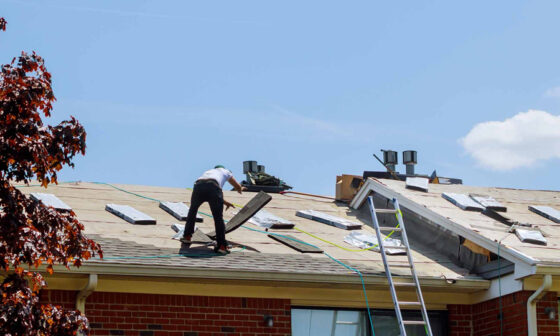
Outside walls absorb constant exposure: sunlight fades paint steadily, rain seeps into small cracks over time and roof shingles curl when aging accelerates. Missing granules expose vulnerable underlayers, meanwhile gutters sag under debris weight and clogged gutters redirect water toward foundations. Small foundation cracks widen during seasonal shifts. Pressure washing removes buildup that traps moisture.
Clean surfaces resist long term staining and decay. Exterior window cleaning improves natural light indoors. Bright interiors often reveal hidden flaws more clearly. Many homeowners underestimate the protective role of siding and roofing. Exterior neglect often leads to interior damage later. Weather always leaves clues on surfaces first.
Appliances That Whisper Before They Quit
Appliances also communicate through performance changes. Dishwashers leave residue when filters clog. Washing machines develop odors when seals trap moisture. Dryers overheat when lint blocks vents. Refrigerators run constantly when coils collect dust. These issues appear gradually over months. Regular cleaning extends appliance lifespan noticeably. Supply shortages have delayed appliance replacements recently. Maintenance often beats replacement financially. Small upkeep tasks reduce larger mechanical failures. Professional attention can restore efficiency quickly. Paying attention saves both time and money. Appliances rarely fail without gentle warnings first.
Utility Bills as Hidden Warning Signals
Monthly statements often reveal patterns that homeowners overlook at first glance. A sudden spike in electricity use should prompt a closer review of recent system performance. Increased water consumption may point to a hidden leak somewhere in the plumbing. Rising gas costs can signal heating inefficiencies that need attention. Smart meters now provide detailed insights into daily usage habits. When examined consistently, this data tells a clear story about how well a home is functioning.
Energy audits highlight areas wasting resources and addressing root causes lowers recurring expenses. Preventative care protects long term budgets. Ignoring financial signals invites future surprises. Numbers speak clearly for those who listen. Houses communicate through utility trends as much as physical signs.
The bottom line here is that homes rarely collapse without warning. They signal through stains, sounds and shifting surfaces. Rising costs and busier lifestyles make attention more valuable than ever. Small repairs today prevent large expenses tomorrow. Listening closely turns maintenance into protection. Houses reward care with durability and peace. Ignoring them invites louder conversations later.