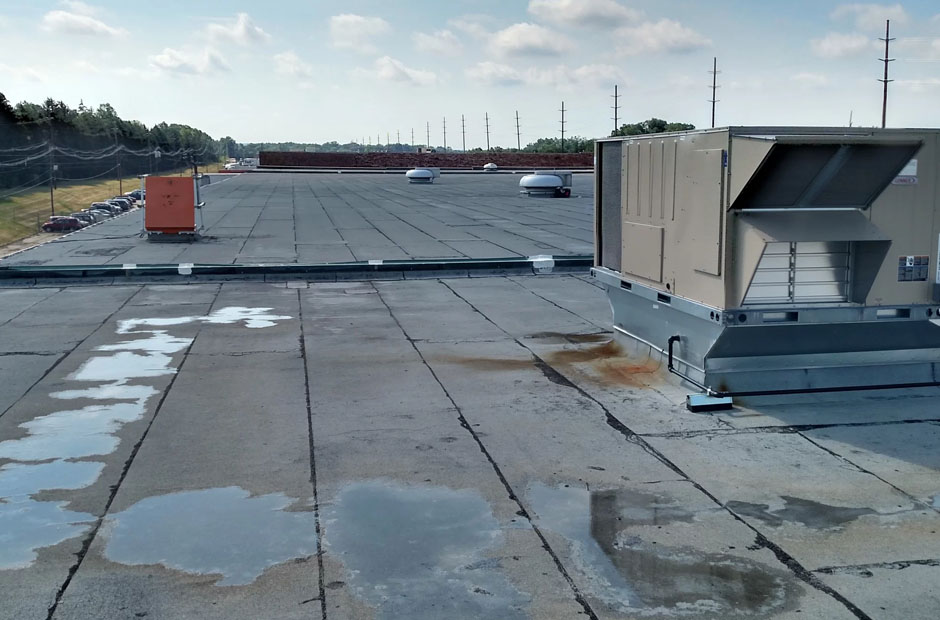
A commercial roof rarely fails all at once. Most trouble starts with small leaks, cracked membrane seams, loose flashing, or wet insulation that slowly spreads across the system. Once those signs show up, the real question is simple: can the roof still protect the building well, or has the damage reached a point where replacement makes more sense?
In Oceanside, commercial roof repair service sort out surface wear, storm damage, trapped moisture, and age-related decline. That kind of close review gives building managers a practical path instead of a rushed decision. It safeguards assets, cuts long-term costs, and ensures compliance with local building codes.
Age And Material Condition Matter
Every roof system has a service life, and age changes how repairs perform. An older roof may still look decent from the ground, yet the membrane can lose flexibility and the seams can weaken across large sections. In Oceanside, salt air and sun exposure can speed up that wear.
Material condition tells a lot about the next step. If the roof deck stays sound and damage sits in one area, repair work may solve the issue well. If the surface shows widespread cracking, shrinkage, or saturated insulation, a full replacement usually brings better value.
Leak Patterns Reveal The Real Scope
Leak patterns tell a clearer story than a single ceiling stain. A short review of where water shows up can reveal how far the damage has spread.
- Single Leak Area: One leak near a vent, drain, or flashing edge usually points to a local issue. That kind of damage may respond well to a focused repair if the surrounding roof stays dry and stable.
- Repeated Water Entry: Water that appears in the same section after repair can signal deeper membrane trouble..
- Multiple Interior Spots: Stains in several rooms usually show that water has traveled beyond one weak point.
- Hidden Moisture Spread: A roof can hold trapped moisture even when the surface looks fair. When leak paths keep shifting, replacement usually gives the building a more reliable solution.
Storm Damage Can Change The Equation
Wind and heavy rain can damage more than the top layer. They can lift edges, loosen flashing, and force water beneath the membrane where hidden damage spreads. A roof may look manageable at first glance, yet deeper inspection can show a larger problem.
After a major weather event, speed matters. Quick action helps protect inventory, tenants, and interior finishes from added water exposure. In Oceanside, roof professionals usually check seams, drains, insulation, and rooftop equipment mounts before recommending repair or replacement.
Building Plans Should Guide The Choice
The right roof decision should match the building’s next stage of use. Clear property goals make it easier to decide between another repair and a full new system.
- Planned Years Of Use: A building set for steady use needs a roof that can support daily operations without frequent service calls.
- Budget Timing: Roof work has to fit the property’s financial schedule. A planned replacement can feel easier to manage than repeated repair costs spread across the year.
- Interior Protection Needs: Buildings with equipment, stock, or tenant spaces need dependable weather protection.
- Past Repair Record: Service history can show if the roof still responds well to repairs.
When damage spreads across large sections, leak patterns multiply, and repair visits keep returning, replacement usually makes the clearest sense. A careful inspection turns that call into a practical decision instead of a stressful one. Property owners looking through Oceanside commercial roof repair services offer clear inspections, practical repair plans, and reliable solutions that help protect buildings from further damage. In Oceanside, that approach helps commercial buildings stay protected, dry, and ready for daily use.