Fence height sounds like a simple call. Most homeowners come in with a number already in mind based on privacy or how they want the yard to feel. That number tends to change once HOA guidelines get pulled in. The rules don’t just cap the height. They shift how the entire fence has to be planned.
What looks like a single decision usually breaks into several smaller ones once placement, visibility, and neighborhood standards get involved.
Height Depends On Where The Fence Sits
The same property can end up with different height limits across different sections.
Backyards are often treated more flexibly, while anything facing the street or running along a side yard gets tighter restrictions. Corners, driveways, and areas near sidewalks tend to fall under separate rules tied to visibility. That’s where people realize the height they wanted isn’t something they can apply across the whole layout.
The location of each fence line matters as much as the measurement itself.
Visibility Requirements Change The Plan
In areas where cars and foot traffic move regularly, sightlines become part of the approval process.
Fences that block views near intersections or driveways are usually limited to lower heights. Even if the rest of the yard allows something taller, those sections may need to drop down. It creates a layout where the fence steps up and down depending on how close it is to areas that need to stay visible.
That adjustment isn’t always obvious until plans are reviewed.
Design Can Affect What Gets Approved
Two fences can measure the same height and still be treated differently.
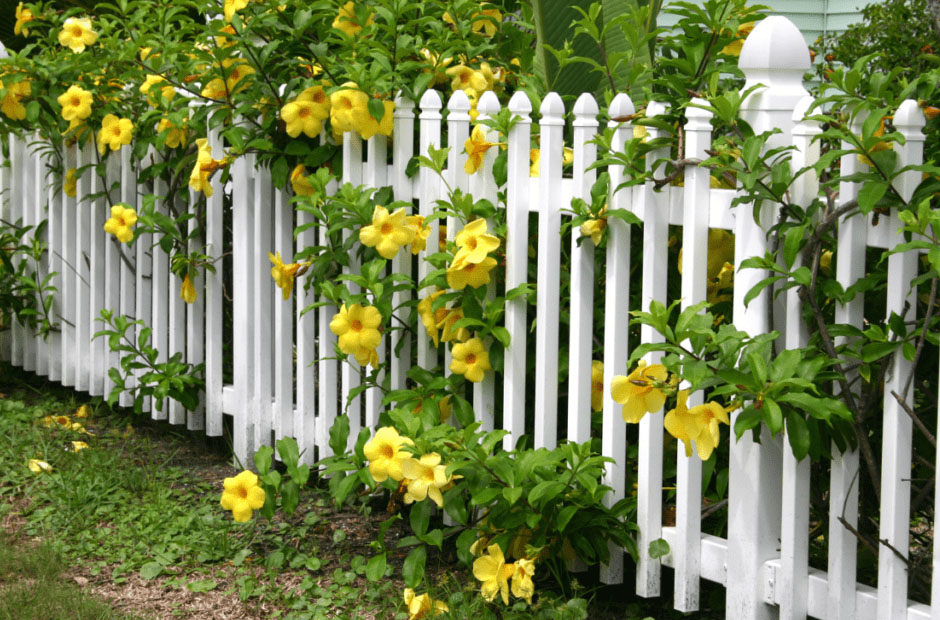
Solid panels tend to face more limits because they fully block visibility. More open designs, like pickets or spaced boards, are often allowed at heights that would be restricted if the structure were solid. The visual impact matters, not just the number on paper.
That’s why design decisions end up tied closely to height decisions.
Property Lines Don’t Guarantee Maximum Height
A common assumption is that the fence can run along the property line at the highest allowed measurement.
HOA guidelines sometimes override that. Setbacks can be required, or certain boundaries may have lower limits than others. In some cases, fences need to step down as they approach specific areas, even if the rest of the line could technically support more height.
These details tend to come out during review rather than during initial planning.
Neighborhood Consistency Carries Weight
HOAs look at how a new fence fits into the surrounding area.
If most properties use a certain height or style, new installations are often expected to follow that pattern. Even when rules allow some flexibility, approval can depend on how well the design blends with what’s already in place.
That doesn’t always match what a homeowner prefers, but it shapes what gets approved.
The Approval Process Changes The Outcome
Fence height isn’t final until it goes through review.
Plans usually need to include measurements, layout, and materials. Adjustments are common at this stage. What seemed straightforward at the start often gets revised to meet specific guidelines tied to the property.
Skipping that step or assuming approval can lead to having to modify or redo sections later.
Practical Needs Don’t Always Match The Limits
Homeowners usually think in terms of use.
Privacy from neighbors, keeping pets contained, or reducing noise. HOA limits don’t always line up with those goals. A height that solves a practical issue may not be allowed in certain parts of the property.
That’s where people start looking for alternatives, whether through design changes or combining fencing with landscaping.
Terrain Can Change How Height Is Perceived
A fence doesn’t look the same on every lot.
Sloped ground can make one side appear taller than the other, even when the measurement is consistent. HOAs sometimes take that into account during review. The rule might be the same, but how it’s applied can shift based on how the fence sits on the property.
That adds another layer to planning.
Experience Helps Avoid Rework
Understanding how these rules are applied in practice saves time.
Teams familiar with residential fencing in Kennesaw tend to plan around HOA requirements from the beginning. That reduces the number of revisions needed during approval and helps avoid changes after installation has already started.
It’s less about working around the rules and more about building within them from the start.
Height Ends Up Being A Shared Decision
Fence height doesn’t sit entirely with the homeowner.
It’s shaped by placement, visibility, design, and how the structure fits into the neighborhood. The final result usually reflects a balance between what the property needs and what the HOA allows.
What starts as a simple number turns into a set of adjustments that define how the fence actually gets built.