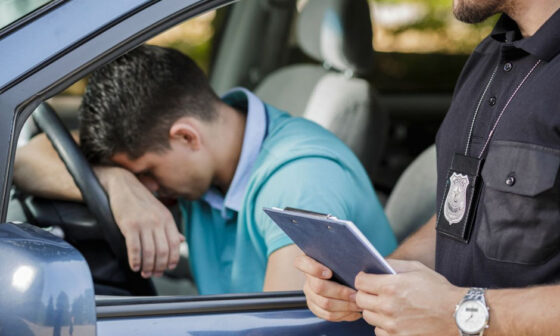
Learning to drive is an exciting milestone for many teenagers, but it also comes with serious responsibilities for the entire family. When a teen driver is involved in a serious accident, parents may be surprised to learn that they could also face legal and financial consequences. Understanding driving record protection can help families see why safe driving habits and responsible decision-making matter from the very beginning. The laws surrounding parental liability vary depending on the circumstances, making it important to understand how responsibility may be determined after a crash. Knowing what to expect can help parents make informed decisions if an accident occurs.
Why Teen Driver Accidents Can Create Legal Concerns for Parents
A serious accident involving a teen driver can affect more than just the person behind the wheel. Depending on the circumstances, parents may also face questions about their role, especially if they own the vehicle or allowed their teen to drive it. Understanding these potential legal concerns can help families respond more confidently after an accident.
How Parents May Be Held Responsible for a Teen Driver Accident
Parents are not automatically responsible every time their teenager is involved in a crash, but certain situations may lead to legal liability. Factors such as vehicle ownership, permission to drive, and state laws can all influence whether a parent may be included in a legal claim. Understanding these circumstances can help families prepare for the legal issues that may arise after a serious accident.
Factors That Can Affect Parent Liability After a Teen Accident
Every teen driver accident is different, and several factors may influence whether a parent can be held legally responsible. Looking at the details of the situation helps determine how liability may be evaluated and what legal obligations could apply.
State Laws and Parental Responsibility Rules
Laws regarding parental liability vary from one state to another, so the outcome of a case may depend on where the accident occurred. Some states have specific statutes that outline when parents can be held responsible for damages caused by a minor driver, while others rely on different legal principles to determine liability.
Who Owned or Controlled the Vehicle
Vehicle ownership is often an important factor when determining whether a parent may be included in a legal claim. If the parent owned the vehicle or gave their teenager permission to use it, those facts may be considered alongside the circumstances of the accident.
The Teen Driver’s Actions Before the Crash
What the teen driver was doing before the accident can also affect how responsibility is evaluated. Behaviors such as speeding, distracted driving, reckless driving, or driving under the influence may increase the seriousness of the case and influence how liability is assessed for everyone involved.
Common Mistakes Parents Should Avoid After a Teen Driver Accident
The moments after a serious accident can be stressful, making it easy to make decisions that may complicate matters later. Knowing what to avoid can help parents protect their interests while allowing the facts of the accident to be properly evaluated.
Admitting Fault Without Understanding the Situation
It is natural to want to apologize after an accident, but doing so may be interpreted as accepting responsibility before all the facts are known. Allow the investigation to determine what happened and avoid making statements that could be misunderstood by insurance companies or other parties.
Ignoring Insurance and Legal Notices
Any letters, emails, or phone calls related to the accident should be taken seriously and addressed promptly. Missing deadlines or failing to respond to important communications could affect insurance claims or legal proceedings.
Failing to Document What Happened
Keeping copies of the accident report, photos, medical records, repair estimates, and other relevant documents can be valuable if questions arise later. Organized records make it easier to understand the timeline of events and provide important information if a claim or lawsuit develops.
How Parents Can Protect Themselves and Their Teen Driver
Tips that parents can follow for their teens include setting a good example by obeying the rules of the road, providing the youngster with suitable lessons that will teach them how to drive safely, and ensuring that there is sufficient time for their youngster to practice driving skills. The parent should also make sure that an adequate insurance policy is in place, so that if the teen gets into an accident, the insurance company can cover at least a part of the repair costs. At the same time, the parent should encourage the child to get his or her driving license, because the youngster will probably need this paper in the near term. Make sure to also know the regulations and requirements of the local DMV for a youngster to obtain a valid driver’s license.
Why Understanding Parental Liability Matters
Familiarizing yourself with what parental liability looks like is essential; that way, families can be at least slightly mentally prepared if and when those unfortunate situations happen. Also, being aware of the parental duties that might result as a matter of law if their teenager commits certain wrongful acts enables parents to take well-informed steps if there is an accident.
Conclusion
A serious accident involving a teen driver can have lasting effects on both the young driver and their parents, making it important to understand how liability may be determined. Taking proactive steps, encouraging safe driving habits, and learning about driving record protection can help families reduce potential risks and prepare for unexpected situations. If questions arise after a serious crash, seeking legal guidance can provide clarity and help parents make informed decisions moving forward.