Have you ever ignored a strange noise in your home because life felt too busy to deal with it? Most people have. A dripping pipe, a weak smoke detector, or a loose stair rail often gets pushed aside until something breaks. Yet recent storms, apartment fires, and aging infrastructure across the United States have made one thing clear: small safety problems rarely stay small. Preventive safety checks help homeowners catch risks early, avoid expensive repairs, and protect the people living inside the property before daily comfort turns into emergency response.
Homes Are Aging Faster Than People Realize
Many residential properties in the United States were built decades ago, during periods when building standards looked very different from today’s codes. Older wiring, outdated plumbing, and worn roofing materials often remain hidden until major damage appears. The problem becomes more serious as climate pressure increases, with heat waves, floods, and winter storms placing extra strain on structures that were never designed for those extremes.
Insurance companies have noticed this trend long before most homeowners did. Premiums are climbing in states like Florida and California because preventable damage claims keep rising. Ironically, people spend thousands upgrading kitchen countertops while ignoring electrical panels that could start a fire. Preventive checks may not look glamorous on social media, but they protect the investment people actually depend on every single day.
Small Inspections Prevent Big Emergencies
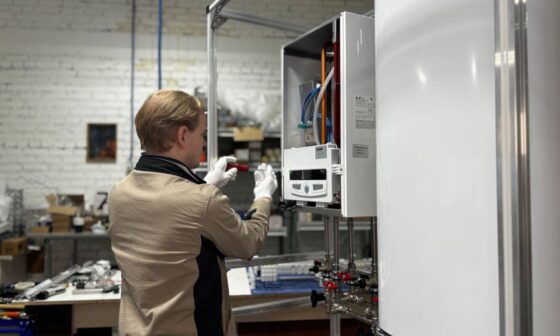
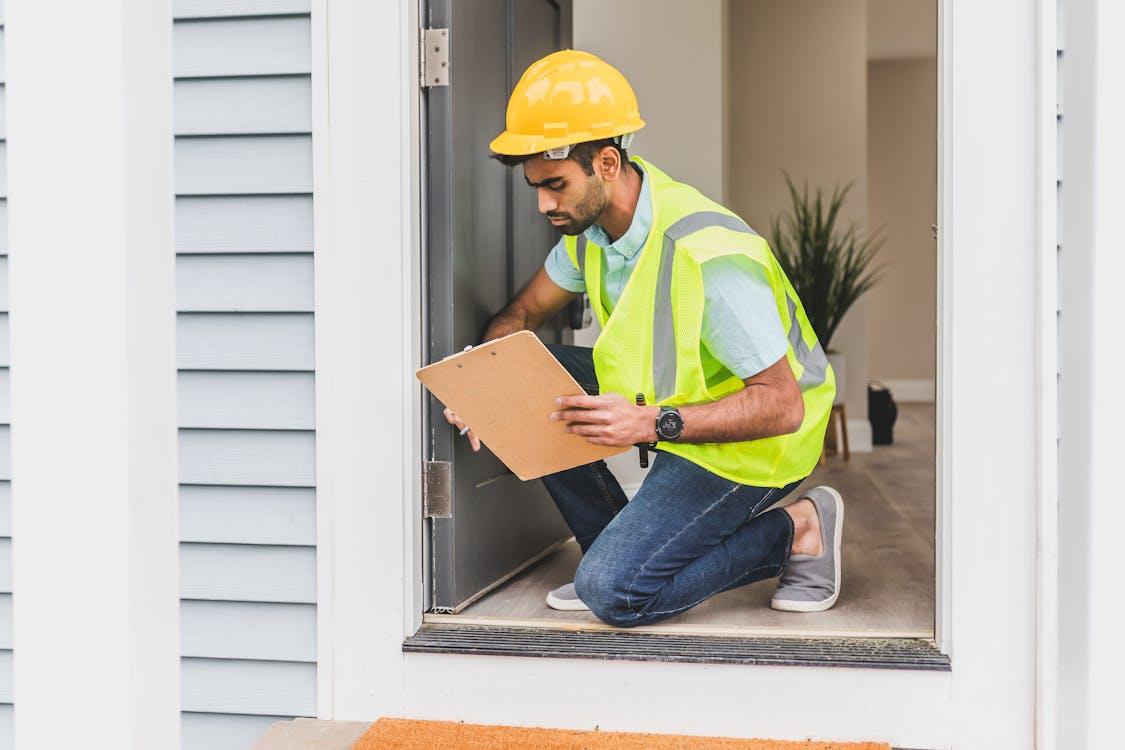
Routine inspections often reveal problems that seem minor at first but could become dangerous within months. A cracked vent, a weak carbon monoxide detector, or a faulty water heater connection can quietly create life-threatening conditions. Property managers and homeowners who schedule regular checks usually spend far less on repairs than those who wait for visible damage to force action.
In multi-unit housing, safety systems need consistent testing because one neglected issue can affect dozens of residents. Building inspectors increasingly recommend procedures like a fire door drop test to confirm that safety doors close correctly during emergencies. It sounds technical, but the idea is simple: a fire door that fails during smoke spread becomes about as useful as an umbrella with holes in it. Small preventive checks like these reduce panic, property loss, and injuries when emergencies happen unexpectedly.
Weather Extremes Are Changing the Conversation
A decade ago, preventive maintenance sounded like advice reserved for overly cautious homeowners. Today, severe weather has changed public attitudes. Hurricanes are stronger, wildfire seasons last longer, and heavy rain overwhelms drainage systems in neighborhoods that once felt completely safe. As these events become more common, residential safety checks have shifted from optional upkeep to practical survival planning.
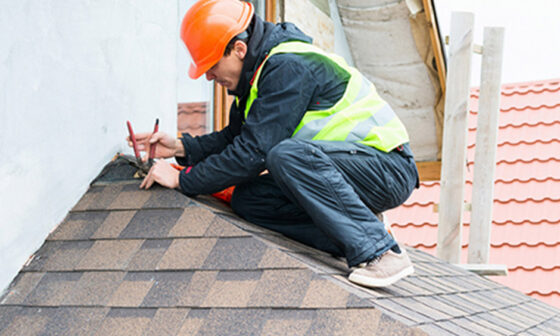
Roof inspections now matter far beyond appearance because a weak section can lead to mold, insulation damage, and structural decay after one storm. The same logic applies to sump pumps, drainage lines, and foundation cracks. Preventive action costs money upfront, but recovery after a disaster costs far more. Just ask anyone who has tried finding contractors after a regional storm when every damaged house on the block suddenly needs repairs at once.
Technology Makes Prevention Easier Than Ever
Modern safety technology has quietly transformed how homeowners manage residential risks. Smart leak detectors can send phone alerts before a burst pipe floods a basement. New smoke alarms monitor battery life automatically, while smart thermostats reduce strain on heating systems during temperature swings. These tools do not replace inspections, but they give residents earlier warnings that older generations simply did not have.
The irony is that many people use advanced apps to track daily steps while ignoring devices that monitor actual home hazards. A connected water sensor may not generate exciting dinner conversation, yet it can prevent thousands of dollars in damage overnight. Technology works best when paired with routine checks from qualified professionals who understand how different systems interact within a property.
Rental Properties Face Extra Responsibility
Landlords carry a unique responsibility because tenants depend on them for safe living conditions that they cannot always inspect personally. Broken locks, unstable railings, or faulty electrical outlets create legal and financial risks that often escalate quickly. Preventive checks protect both residents and property owners by reducing accidents, complaints, and emergency maintenance calls.
The rental market has become more competitive in many cities, especially as housing costs continue climbing nationwide. Tenants now pay closer attention to safety standards before signing leases. A building with updated alarms, secure entry systems, and visible maintenance records inspires more confidence than one with flickering hallway lights and peeling ceilings. Safety has become part of property value, not just regulatory compliance.
Safety Checks Protect Mental Peace Too
Residential safety is not only about avoiding physical danger. It also affects mental comfort and daily stability. Families sleep better when smoke alarms work properly, entry points feel secure, and heating systems function during winter storms. Parents especially understand how quickly anxiety grows when basic home systems become unreliable.
The pandemic changed how people view their living spaces because homes suddenly became offices, classrooms, gyms, and shelters all at once. That shift increased awareness about indoor air quality, ventilation, and sanitation. A property that feels unsafe creates constant background stress, even when residents cannot explain exactly why. Preventive checks reduce uncertainty by confirming that essential systems operate the way they should.
The Real Cost of Waiting
Preventive safety checks may never feel exciting, but neither does standing ankle-deep in water from a failed pipe at two in the morning. Most residential disasters begin with overlooked warning signs that seemed harmless at the time. The challenge is that homes usually fail slowly before they fail dramatically, which makes the delay feel reasonable until it suddenly becomes expensive.
The broader cultural shift toward preparedness reflects growing awareness that stability requires maintenance. Just as people schedule medical checkups before symptoms become severe, residential properties need consistent attention before small defects turn dangerous. A safe home is not built through luck. It is maintained through routine decisions that protect both property value and the people who live inside those walls every day.