You press the remote, the door starts moving, then it jerks halfway and makes that sound you were hoping would just go away on its own. It still works, sort of, but not in a way that feels right anymore.
Most people assume the door itself is the issue when that happens. Sometimes it is. But more often, the problem started earlier, during installation, when small details were missed or rushed through. Those details do not show up right away. They take time.
When A Good Door Still Does Not Perform Well
A garage door can be solid, well-built, even expensive, and still perform poorly if it is not set up correctly. That part gets overlooked because the product itself gets most of the attention. Installation is where everything is aligned, balanced, and adjusted to the space. If the tracks are slightly off or the tension is not set right, the door compensates. It works, but with strain behind it. That strain builds slowly.
People often notice small signs first. A delay when opening. A noise that was not there before. It feels minor, so it gets ignored. But these early signs usually point back to how the system was installed in the first place.
Why Setup Matters More in High-Use Environments
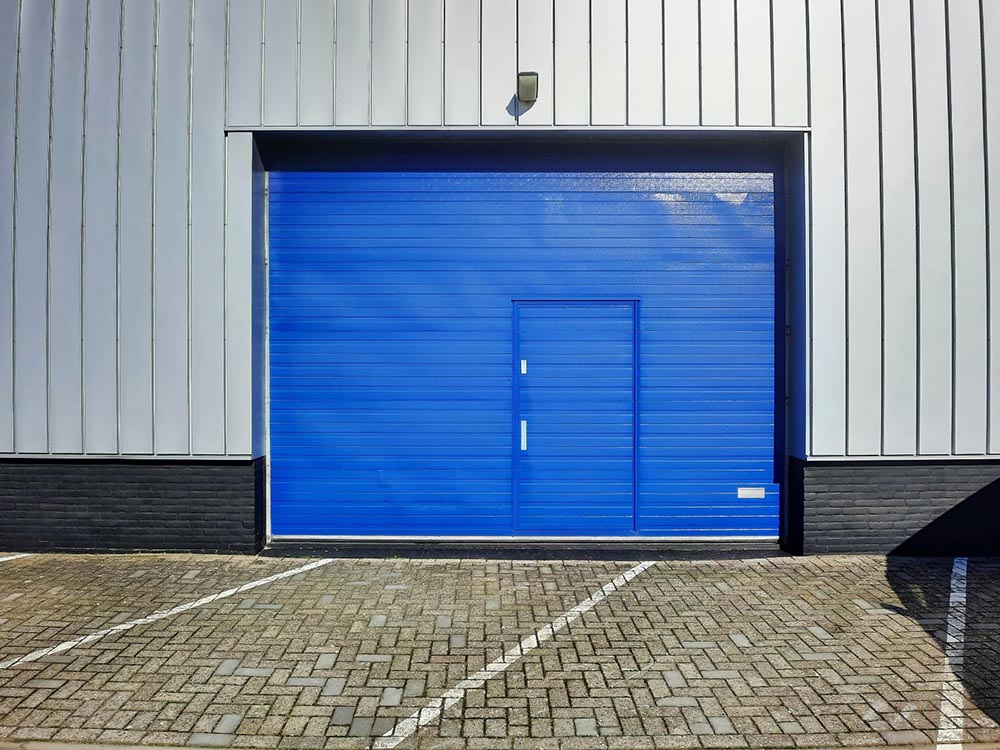
In spaces where doors are used more often, small installation errors show up faster. The system does not get much rest, so any imbalance becomes obvious sooner. For this reason, you should work with professionals experienced in commercial garage door installation.
Commercial environments depend on consistency. Doors need to open and close the same way every time, without hesitation. When installation is not handled carefully, that consistency breaks down. It does not always fail at once, but it becomes unreliable. It is more commonly seen in larger or heavier systems where precision matters more.
Small Alignment Issues, Bigger Long-Term Effects
A garage door relies on balance. Springs carry weight, tracks guide movement, and the opener supports the process. If one part is slightly off, the others take on more load. At first, it is not obvious. The door still moves. It just works a little harder than it should. Over time, that extra effort leads to wear. Rollers degrade faster. Springs lose tension unevenly. The opener strains more than expected. This is where installation matters more than the door itself. A well-made door cannot compensate forever for a poor setup. Eventually, something gives, and the repair becomes more involved than it needed to be.
The Difference Between Fast Work and Careful Work
Installation can be done quickly, and in some cases it is. The door is put in place, it opens and closes, and the job is considered complete. On the surface, everything looks fine. Careful installation takes longer. Measurements are checked more than once. Adjustments are made until movement feels smooth, not just functional. It is not always visible, but it shows in how the door behaves over time.
How Installation Affects Daily Use
A properly installed door feels consistent. It opens without hesitation, closes evenly, and does not draw attention to itself. That is usually the goal. When the installation is off, even slightly, daily use changes. You might notice resistance. Maybe you hesitate before pressing the button because you expect that uneven movement. It becomes part of your routine, even if you do not think about it directly.
This kind of adjustment is common. People adapt to the system instead of the system working for them. It is subtle, but it adds friction to something that should be simple.
Maintenance Becomes a Different Experience
Every garage door needs maintenance. That part does not change. But the type of maintenance depends a lot on how the system was installed. With a proper setup, maintenance is more predictable. Small adjustments, regular checks, and basic care keep things running. Issues tend to show up early and stay manageable. With a poor setup, maintenance feels reactive. Something breaks, gets fixed, then something else follows. It becomes a pattern. The door still works, but it requires more attention than it should. Over time, this difference adds up. Not just in cost, but in how often the system interrupts your day.
Why The Door Itself Is Only Part of the Picture
It is easy to focus on features when choosing a garage door. Material, design, insulation, all of that matters. But none of it works as intended without proper installation. The door is just one part of a larger system. It depends on how it is mounted, how it is balanced, and how it interacts with the space around it. Ignoring that part leads to problems that feel unexpected, even though they were built in from the start. A
When installation is done right, the door becomes something you do not think about. It works quietly in the background, doing its job without drawing attention. That is usually the sign of a system that was set up with care. Not perfect, but balanced. Not rushed, but thought through. It holds up over time, with fewer surprises and less need for constant fixes. Most people only see the door. What they feel, over time, comes from everything behind it.