Few things are more frustrating than a vehicle that develops electrical problems out of nowhere. One day everything works fine, and the next you are dealing with flickering lights, a flat battery, or systems that stop responding.
Electrical issues rarely appear without a reason. In most cases, they are the result of small faults building up over time. Understanding what causes these problems can help you fix them faster and prevent them from coming back.
If you find yourself dealing with recurring faults, it may be worth having a mobile auto electrician Sydney take a closer look, especially when the issue is not obvious.
Battery problems are more common than you think
Weak or ageing batteries
A failing battery is one of the most common causes of electrical trouble. As batteries age, they lose their ability to hold a charge, which can lead to inconsistent performance.
You might notice slow engine starts, dim lights, or electronics that behave unpredictably.
Loose or corroded connections
Even a healthy battery can cause problems if the terminals are loose or corroded. Poor connections restrict the flow of electricity, which affects multiple systems.
Cleaning and tightening connections can often resolve simple issues.
Faulty alternator or charging system
Inconsistent power supply
The alternator is responsible for keeping your battery charged while the engine is running. When it starts to fail, your vehicle may not receive a steady supply of power.
This can lead to warning lights on the dashboard or a battery that keeps going flat.
Early warning signs
Strange noises, flickering lights, or electrical components that stop working while driving can all point to a charging problem.
Addressing these signs early can prevent a complete breakdown.
Wiring issues that go unnoticed
Wear and tear over time
Wiring runs throughout your vehicle, connecting various systems. Over time, these wires can become worn, damaged, or exposed.
Heat, vibration, and general use all contribute to this wear.
Hard-to-diagnose faults
Damaged wiring can cause intermittent problems that are difficult to track down. One day everything works, and the next something fails without warning.
Professional inspection is often needed to locate and repair these faults.
Blown fuses and faulty relays
Small components, big impact
Fuses and relays protect your vehicle’s electrical system. When they fail, certain functions may stop working entirely.
This could include anything from power windows to interior lighting.
Identifying the cause
Replacing a blown fuse is simple, but it is important to understand why it failed in the first place. Repeated failures often indicate a deeper issue.
Ignoring the cause can lead to ongoing problems.
Moisture and environmental damage
Water and electronics do not mix
Moisture is one of the biggest threats to vehicle electrical systems. Water can enter through leaks, worn seals, or even during cleaning.
Once inside, it can cause corrosion and short circuits.
Long-term effects
Even small amounts of moisture can lead to gradual damage. Corrosion builds over time, affecting connections and reducing reliability.
Keeping your vehicle sealed and dry helps protect its electrical components.
Aftermarket accessories causing interference
Poor installation practices
Adding accessories such as sound systems, lighting, or alarms can introduce problems if they are not installed correctly.
Improper wiring or overloading circuits can affect the entire system.
Increased strain on the system
Extra components place additional demand on your vehicle’s electrical system. If it is not designed to handle the load, issues can develop.
Ensuring proper installation and compatibility is essential.
Sensor and computer issues
Modern vehicles rely on electronics
Today’s vehicles use sensors and control units to manage everything from engine performance to safety features.
When these components fail, it can trigger warning lights or cause systems to behave incorrectly.
Diagnosing electronic faults
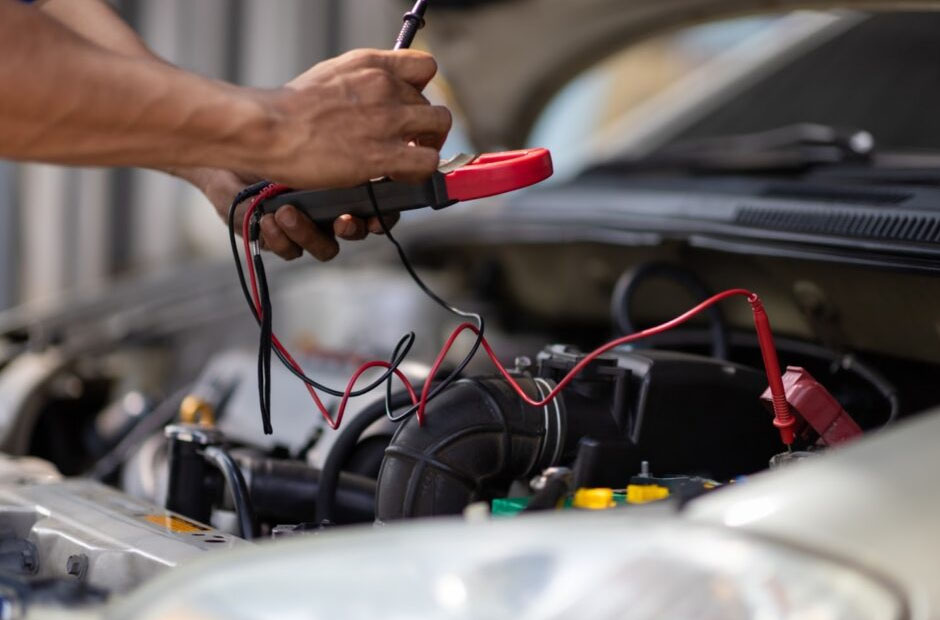
Unlike older vehicles, modern systems often require specialised tools to diagnose. Guessing the problem can lead to unnecessary repairs.
Accurate diagnosis saves time and money.
Poor maintenance habits
Small checks make a big difference
Regular maintenance helps prevent many electrical issues. Checking battery health, inspecting wiring, and monitoring warning signs can catch problems early.
Neglecting these checks allows small faults to grow.
Staying proactive
Paying attention to changes in how your vehicle behaves is important. Unusual sounds, dim lights, or slow responses are often early warning signs.
Addressing them quickly helps avoid larger repairs.
Bringing it all together
Electrical issues can feel unpredictable, but they usually have clear causes. Batteries, wiring, moisture, and installation errors are among the most common reasons vehicles develop recurring problems.
Taking a proactive approach makes a significant difference. Regular checks, proper maintenance, and early diagnosis help keep your vehicle running reliably.
When problems do appear, understanding the likely causes gives you a better chance of resolving them quickly. A little attention now can save you from bigger issues later on.