A friend of a colleague, apparently, hasn’t set foot in a hotel lobby since 2023. Runs a logistics team, travels constantly, books furnished apartments every single time. When someone finally asked him why, his answer was just “have you tried cooking pasta in a hotel room?” Which, fair enough.
That little story keeps coming up in conversations about corporate travel lately. Something’s shifting.
The Cost Thing (It’s Not Even Close)
For stays over 30 days, a furnished apartment can run 30 to 40 percent less than a comparable hotel. That’s before factoring in meals. A person with a kitchen eats out maybe once a day instead of three times. Multiply that across a six-week project deployment and the savings get hard to ignore.
Corporate travel departments have noticed. Places offering an extended stay apartment for rent in North York have reportedly seen steady demand from companies sending people on month-long client rotations. And it tracks with the broader numbers. The U.S. Travel Association’s latest travel forecast pegged average per-trip costs above $1,100, so there’s real incentive to rethink where that spend goes.
Hotels Are Built for Sleeping, Not Living
This one seems obvious but it gets overlooked. A hotel room revolves around the bed. Maybe there’s a desk crammed next to the curtain. Maybe not.
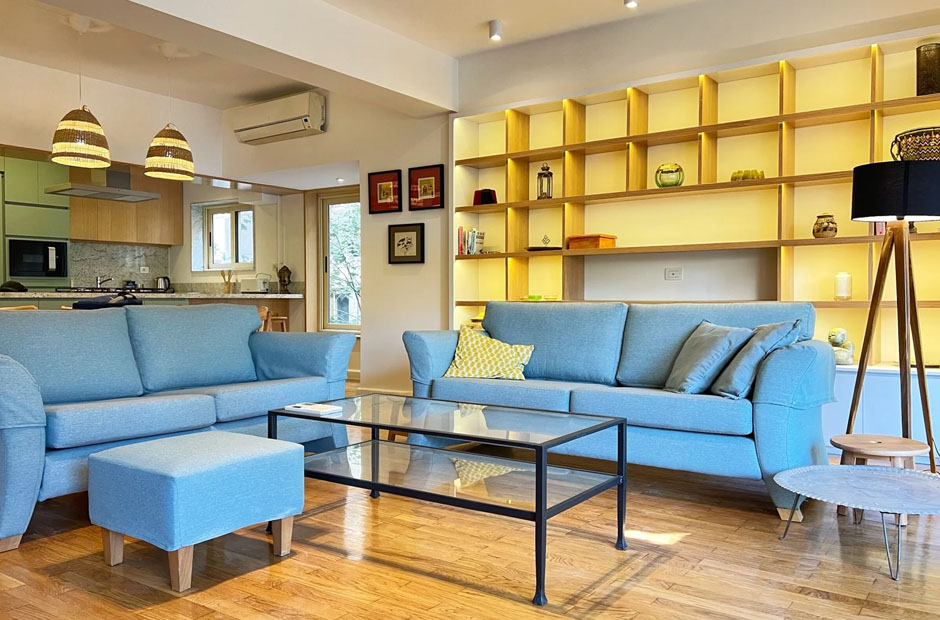
Furnished apartments give people a table to spread out on, a couch to decompress on after calls, a separate bedroom so the workspace doesn’t stare at them while they’re trying to sleep at 11pm. For consultants or engineers doing multi-week site work, that separation matters more than most folks realize. There’s some scattered wellness research suggesting sleep quality tanks when people work and rest in the same small space, though honestly nobody seems to cite the same study twice on this.
Kitchens Change Everything
Look, the expense-account dinner thing is fun for about four days. Then it becomes a chore. By week three of any trip, most people would trade a restaurant reservation for eggs and toast in their own kitchen without thinking twice.
Having a fridge and a stove resets the whole routine of a long stay. Grocery shops happen. Coffee gets made at home. The trip starts feeling less like displacement and more like just… being somewhere else for a while. It’s a subtle difference but people who’ve experienced both will tell you it’s not small.
The Rental Market Actually Works Now
Five years ago, finding a decent furnished place for a month in the rental market was genuinely painful. Weird lease clauses, unexplained deposits, landlords who ghosted after the second email. The whole thing felt improvised.
That’s gotten so much better. Dedicated short-stay providers handle linens, wifi, maintenance, the works. Not quite hotel-level seamless. But close enough that travel managers are plugging these options into booking systems alongside the usual hotel chains.
It’s Not Always “Travel” Though
Here’s where it gets interesting. The U.S. Census Bureau’s data on geographic mobility shows millions of Americans relocating annually, and a big portion of those moves involve a gap. Waiting on a closing. Starting a new job before the permanent apartment is ready. A renovation that was supposed to take three weeks and is now on month two (sound familiar to anyone?).
Hotels can’t really absorb that kind of timeline. The costs spiral, the mini-fridge situation gets depressing, and after a while the whole arrangement just feels wrong.
Furnished apartments fill that gap quietly. Not glamorously. But practically. And for a growing number of people, practically is more than enough.