Key Takeaways
- Consolidating uniform orders across squads or families unlocks bulk pricing tiers, dropping per-unit jersey costs from $35–$50 to $18–$28.
- Choosing versatile poly-knit or poly-mesh materials allows one uniform to cover both practice and game day, eliminating duplicate spending.
- Starting the ordering process eight to ten weeks before the season opener prevents rush fees that can inflate total costs by 30–40%.
You agree to coordinate uniforms for your kid’s recreational softball team expecting a quick online order, but within twenty minutes you are staring at per-unit prices that jump 40 percent below a 15-piece minimum. Sizing charts fail to differentiate between an eight-year-old and a 12-year-old, and design upload portals charge separately for logo placement. This pricing shock occurs across youth softball, basketball, soccer, and football programs.
Knowing which five variables drive uniform costs and how to control each one is the difference between a budget that holds and a season that starts with an emergency fundraiser.
1. Bulk Orders Beat Going It Alone
A single jersey purchased at retail typically runs $35 to $50 per unit. Families clearly feel the strain, as they spend an average of $1,015.64 annually on their child’s primary sport, alongside $475.02 for secondary sports. Equipment and uniforms account for exactly $164.59 of that annual total.
The same top ordered through a team platform for twelve players drops to $18 to $28 per unit depending on the quantity tier. Most families default to individual online purchases without realizing they have eliminated volume savings, leaving the team with inconsistent sizing alongside a higher total bill.
The practical fix requires consolidation before anyone picks a design. Combining two smaller squads into a single 22-player order unlocks pricing tiers that neither team could access independently. Platforms built specifically for team outfitting handle this structure by default.
Going direct for Sports Gear Swag’s custom softball team jerseys includes tiered volume discounts alongside a no-minimum-order policy. A ten-player squad accesses the same bulk team gear discounts as a 30-person roster.
| Key Insight: A single youth jersey retails for $35 $50, but team orders drop to $18 $28 per unit. Combine two 11-player squads into a 22-player order to access deeper pricing tiers without a minimum. |
2. Free Design Help Cuts Hidden Costs
Teams budget for the jerseys themselves but rarely account for the graphic design fees that appear once they need custom numbers or precise school color matching. Freelance design work for a uniform project runs $50 to $200 or more depending on complexity. A school-sponsored soccer team needing their mascot incorporated without a formal design budget is a specific scenario playing out across dozens of leagues every season.
Free design services from team apparel providers typically cover logo placement, scaling, name customization, and color matching. A full design preview before any payment allows the coordinator to approve exactly what prints online. Providers like Sports Gear Swag offer free expert design assistance and a see-design-pay-later option, ensuring affordable custom jerseys for kids do not require a separate design budget on top of the uniform cost.
3. Pay Later to Ease the Upfront Crunch
Even with volume pricing and no design fees locked in, upfront payment creates a cash-flow gap when families pay on different schedules. A recreational basketball coordinator needing to submit an order by Friday but waiting on eight family payments by Wednesday faces a tough financial choice.
They must either front the difference personally or miss the production window. A zero-down payment structure finalizes the order and approves the design before processing any credit cards.
The smartest scheduling move is to collect player fees four to six weeks before the season opener. This timeline aligns family payment windows with standard jersey production cycles and provides a necessary buffer for stragglers. Treat fee collection as its own standalone project phase rather than an afterthought running alongside fabric decisions.
4. One Uniform from Practice to Game Day
Separate practice jerseys and game-day jerseys represent one of the most common sources of duplicate spending in youth team outfitting. A youth football team purchasing practice gear in August and receiving game jerseys three weeks later pays twice for what one well-chosen piece could cover. Poly-knit and poly-mesh materials offer the breathability and durability to hold up across both heavy training sessions and actual competition.
Reversible jerseys and multipurpose warm-up sets extend this versatility without demanding a larger budget. For accurate sizing, collect specific player measurements rather than relying on age-based estimates.
Youth athletes within the identical age bracket vary by two full sizes, so ordering one size up from current measurements accounts for mid-season growth. Learning how to save money on youth sports requires this strict sizing habit to avoid mid-season replacement orders.
5. Early Birds Dodge Rush Fees
Rush production fees, expedited shipping charges, and compressed customization windows add 30 to 40 percent to a project’s total cost. A youth softball team waiting until 14 days before their first game pays a massive premium compared to a neighboring league starting eight weeks earlier.
The unhurried squad receives the same product from the identical supplier for significantly less money. The timeline remains the only variable driving the final price difference.
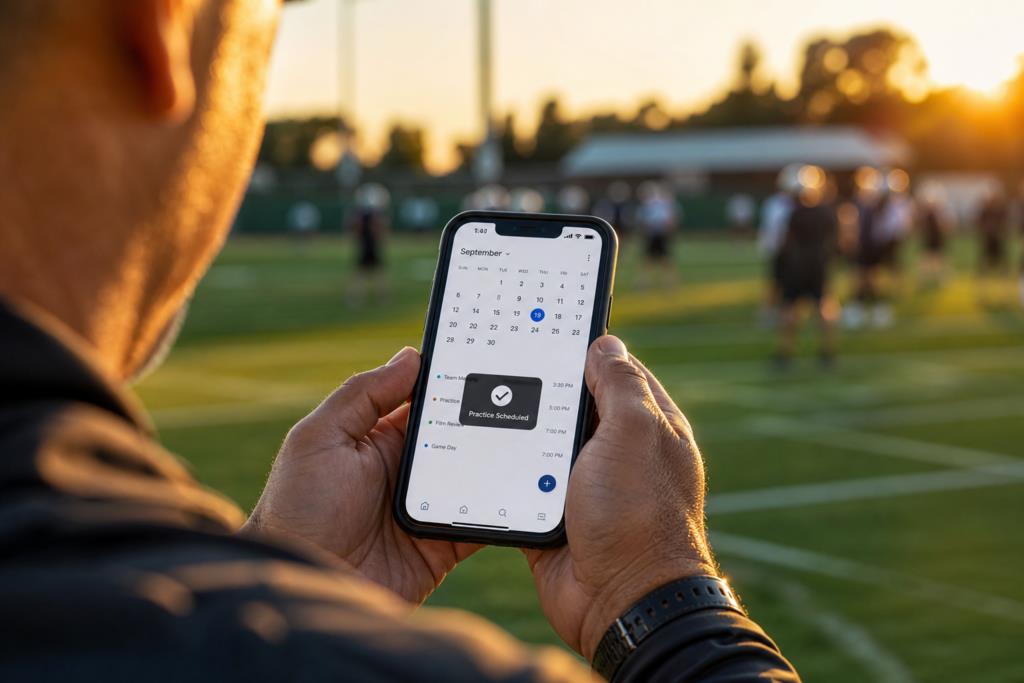
Starting eight to ten weeks before the first game keeps every major cost lever under your control. Use weeks one and two to finalize roster counts and collect exact player tape measurements. Dedicate weeks three and four to confirming design details, color specs, and specific customization requirements, while weeks five and six cover order submission and payment collection.
Leaving weeks seven and eight for production and shipping creates a functional safety net for any formatting revisions. Structuring youth sports team uniforms on a budget around a ten-week target keeps the final invoice completely predictable.
| Important: Rush fees can inflate uniform costs by 30 40%. Starting 8 10 weeks ahead keeps pricing normal. A last-minute order for a 14-day deadline paid that premium for the same product. |
The Bottom Line
Consolidating orders removes the per-unit penalty applied to small squad sizes, while providers offering immediate artwork support eliminate hidden graphic design invoices. Pay-later flexibility bridges the awkward gap between firm order deadlines and delayed parent payments.
Choosing versatile poly-knit or poly-mesh materials ensures one outfit covers both practice and game day without a second purchase. Keeping the process organized requires starting eight to ten weeks out. Track your progress with this simple framework.
- Consolidate orders across squads or families to unlock bulk team discounts
- Use providers with bundled design services to eliminate freelance graphic fees
- Explore pay-later models to manage cash flow before participant fees clear
- Choose durable poly-knit uniforms that perform across both practices and game days
- Start the physical ordering process roughly eight to ten weeks before your season opener
| Author Profile: Sports Gear Swag is the leading online retailer of custom sports apparel and gear for teams, schools, and organizations of all sizes. Specializing in team jerseys, uniforms, and athletic apparel with a wide range of customization options. |