Key Takeaways
- A user-friendly website enhances customer satisfaction and repeat visits.
- Integrating online ordering and reservation systems can boost sales and efficiency.
- Personalized content and loyalty programs on websites strengthen customer relationships.
- Mobile optimization is crucial, as a significant portion of users access websites via smartphones.
In today’s digital era, a restaurant’s website is much more than just a digital menu. It is a cornerstone for engaging and retaining customers, shaping their journey from the moment they discover your brand to their most recent visit. An effective restaurant website design plays a vital role in shaping the customer experience, influencing satisfaction, fostering loyalty, and encouraging guests to return. A well-designed website makes it easier for diners to explore menus, make reservations, and engage with a restaurant’s brand, helping build lasting relationships and repeat business. A visually appealing, easy-to-navigate, and resource-rich website can leave a lasting impression, making a diner far more likely to return and recommend your establishment to others.
Whether customers are browsing the menu, placing orders, or seeking the latest promotions, an effective online presence can streamline every step of their interaction. Digital experiences have become central to customer expectations, and restaurants that prioritize seamless design, relevant content, and interactive features are poised to foster stronger loyalty. High-performing restaurant sites not only facilitate convenience but also nurture a deeper connection with guests over time.
Restaurants now compete as much in the digital world as they do on the plate. A strategic website approach can differentiate your offering and increase the likelihood of positive reviews, recommendations, and word-of-mouth growth. Website design must remain aligned with evolving customer needs and preferences to ensure continued business success.
In addition to aesthetics and usability, technology integration on websites can lead to direct operational benefits, ranging from reducing calls to improving food-order accuracy. According to Forbes, treating your website as a digital cornerstone can ultimately improve operational efficiency and bottom-line performance.
Enhancing User Experience Through Intuitive Design
An effective restaurant website starts with intuitive navigation. Clean layouts, well-organized menus, and clearly displayed contact information ensure customers can quickly find what they need. The easier it is for guests to access information on dishes, business hours, or directions, the more likely they are to feel confident about choosing your establishment.
Minimizing friction helps convert curious browsers into loyal patrons. This means strategically placing call-to-action buttons for online ordering, making phone numbers clickable, and ensuring that all essential pages are reachable within 1 or 2 clicks. This streamlining not only boosts conversions but also improves search performance and user satisfaction.
Integrating Online Ordering and Reservations
Online ordering and reservation systems have become must-have features for the modern restaurant website. These integrations empower customers to place orders or reserve tables at their convenience, reducing barriers between intention and action. According to a QSR Magazine article, fully integrated commerce platforms enable restaurants to combine ordering, loyalty, and customer service, creating a seamless digital experience for diners.
Implementing these systems not only drives sales but also frees up staff to focus on delivering excellent in-person service. As more diners prefer digital self-service, meeting this expectation will remain critical for restaurants seeking to stand out.
Personalization and Loyalty Programs
Personalized experiences can significantly impact customer retention. By using customer data collected from the website, restaurants can tailor content, recommend menu items, and offer exclusive promotions that feel relevant to each visitor. For example, birthday offers or suggestions based on previous orders show that the restaurant values and acknowledges repeat customers.
Loyalty programs further deepen this relationship. Allowing guests to sign up, earn points, and redeem rewards directly on the site not only incentivizes ongoing visits but also collects valuable information for future marketing. A Restaurant Dive article highlights how integrating loyalty with online orders increases personalization and adds convenience, both critical factors in building long-term loyalty.
Mobile Optimization
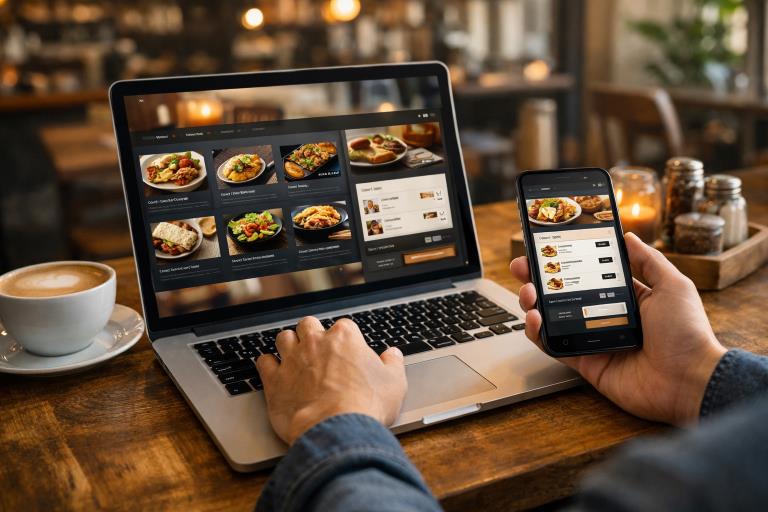
A large proportion of restaurant searches and online orders occur on smartphones and tablets. Ensuring that your website looks and functions flawlessly on mobile devices is essential. Mobile-optimized sites load quickly, scale properly, and make it easy for users to access key features such as menus, reservations, or contact buttons.
As CNBC reported, the recent surge in investment in restaurant technology underscores the growing importance of mobile experiences. Mobile-first design not only supports strong search rankings but also provides a smooth journey that guests have come to expect.
Showcasing Menu Transparency
Customers are increasingly conscious of what they eat, making menu transparency a top priority. Websites that provide complete details, including ingredients, allergens, and nutritional information, foster trust and enable guests with dietary restrictions to make informed decisions.
This commitment to transparency appeals to a broader audience and can tip the scales in your favor when customers are deciding between restaurants. It also positions your brand as honest and inclusive, which supports a positive reputation and recurring business.
Utilizing High-Quality Visuals
Professional photographs of menu items, dining spaces, and unique restaurant features are essential for conveying quality and setting the right expectations. High-resolution images grab attention, bring menus to life, and influence purchase decisions far more effectively than text descriptions alone.
Striking visuals differentiate your online presence and are especially important for new customers unfamiliar with your offerings. They can also drive engagement on social media and increase shares, widening your digital reach.
Implementing Feedback Mechanisms
Inviting guests to share their feedback directly on your website demonstrates that their opinions matter. Embedding review forms, comment sections, and digital surveys gives diners a voice and provides invaluable insights for continuous improvement.
Publicly addressing and acting on feedback builds a sense of community and trust. It shows other potential guests that your restaurant genuinely values the customer experience, further encouraging both first-time and repeat visits.
Conclusion
A thoughtfully designed restaurant website does much more than inform. It inspires loyalty, drives sales, and creates memorable experiences. By prioritizing user experience, integrating robust features, and embracing transparency and personalization, restaurants can cultivate lasting digital relationships that translate directly into long-term business success.