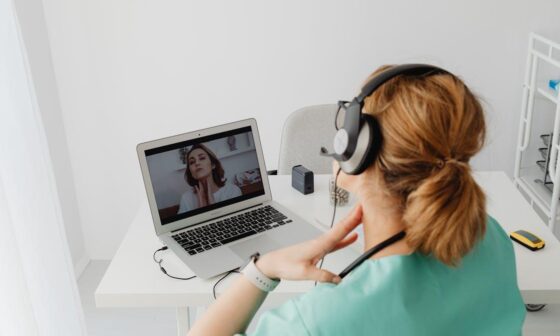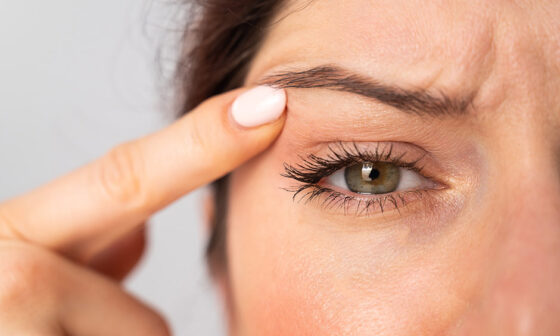
Have you noticed how often your eyes feel tired before the day even ends? Screens fill every corner of life, and most of us just accept the strain as normal. Yet that quiet fatigue adds up over time. In this blog, we will share what actually affects your eyesight today, how daily habits shape it, and what you can do to keep your vision sharp for years.
The slow shift toward screen-heavy living
Life now happens through glass. Phones wake us up, laptops carry work, and TVs close the day. Even small tasks like paying bills or reading the news sit behind a screen. This shift did not feel sudden, but the impact on our eyes has been steady and real.
Reports over the past few years show more people dealing with digital eye strain. It shows up as dry eyes, blurred vision, headaches, and that odd feeling where your eyes just stop cooperating. Kids are facing it earlier than before because school and play both happen on devices. Adults are not far behind, juggling work calls, emails, and late-night scrolling.
Why regular eye care matters more than ever
Many people wait until something feels wrong before thinking about their eyes. By then, the issue has often been there for a while. Vision changes slowly, which makes it easy to ignore until it becomes hard to manage.
Within the first few months of adopting heavy screen habits, subtle strain builds. You may blink less, which dries the eyes. You may lean forward, which strains both your neck and your focus. Over time, this can affect how clearly you see both near and far.
Early checkups help catch these shifts before they turn into long-term problems. If you look up professional eye care center near me you’ll find clinics that offer basic vision tests, screen-related assessments, and advice tailored to your daily routine. These visits do more than check if you need glasses. They track changes, spot hidden issues, and guide you on how to adjust your habits.
There is also a broader trend at play. Health awareness has grown after recent global health scares, and people are paying closer attention to preventive care. Eyesight should be part of that shift. It is not just about seeing clearly today but keeping that clarity for the long run.
The small habits that quietly damage vision
Most damage to eyesight does not come from one big event. It comes from small, repeated actions that feel harmless.
Take screen distance. Many people hold their phones too close, especially when tired. This forces the eyes to work harder to focus. Over time, it can lead to strain and even contribute to worsening vision.
Lighting is another factor that often gets ignored. Working in dim light or with glare from a bright screen creates uneven contrast. Your eyes keep adjusting, which leads to fatigue. It feels minor at the moment but builds over hours and days.
Then there is the issue of breaks, or the lack of them. Hours pass quickly when you are deep in work or entertainment. The eyes stay locked in one position, focusing at one distance. That is not how they are meant to function.
Sleep also plays a role. Poor sleep affects tear production and overall eye health. If your eyes feel dry and irritated in the morning, your sleep routine may be part of the cause.
These habits do not seem serious on their own. Together, they create a pattern that slowly weakens eye comfort and performance.
Practical ways to protect your eyesight daily
Fixing eye strain does not require major life changes. Small adjustments can make a real difference.
Start with the 20-20-20 rule. Every 20 minutes, look at something 20 feet away for at least 20 seconds. This gives your eye muscles a break and resets focus. It sounds simple, yet most people do not do it consistently.
Adjust your screen position so it sits slightly below eye level and about an arm’s length away. This reduces strain and keeps your posture in check. Pair that with proper lighting. Use soft, even light that does not reflect directly off your screen.
Blink more often than you think you need to. It keeps your eyes moist and reduces dryness. If blinking does not help, artificial tears can provide relief, but it is better to fix the habit first.
Limit screen time before bed. Blue light can affect sleep, and poor sleep cycles feed back into eye discomfort. Try switching to reading or listening to something instead of scrolling late at night.
Diet also matters more than people expect. Foods rich in vitamin A, omega-3 fatty acids, and antioxidants support eye health. Carrots get all the credit, but leafy greens, fish, and nuts do just as much work.
These steps are simple, but they only work if done regularly. Consistency matters more than intensity.
When to take symptoms seriously
Not every eye issue needs urgent care, but some signs should not be ignored. Persistent headaches, sudden blurred vision, frequent eye rubbing, and difficulty focusing are signals that something is off.
Double vision, flashes of light, or a sudden increase in floaters require immediate attention. These could point to more serious conditions that need quick action.
It is easy to dismiss symptoms, especially when life gets busy. However, delaying care can turn a simple issue into a complicated one. Paying attention early keeps problems manageable.
Regular checkups act as a safety net. Even if nothing feels wrong, they provide a baseline and catch changes you may not notice.
A clearer way forward
Taking care of your eyesight does not require extreme measures. It calls for awareness, routine, and a willingness to adjust habits that feel normal but are not ideal. Screens will stay part of life, and work will not slow down, yet your approach to both can shift.
Pay attention to how your eyes feel during the day. Make small changes without overthinking them. Visit a professional when needed, not just when problems show up. These steps add up, and over time, they shape how well you see the world around you.