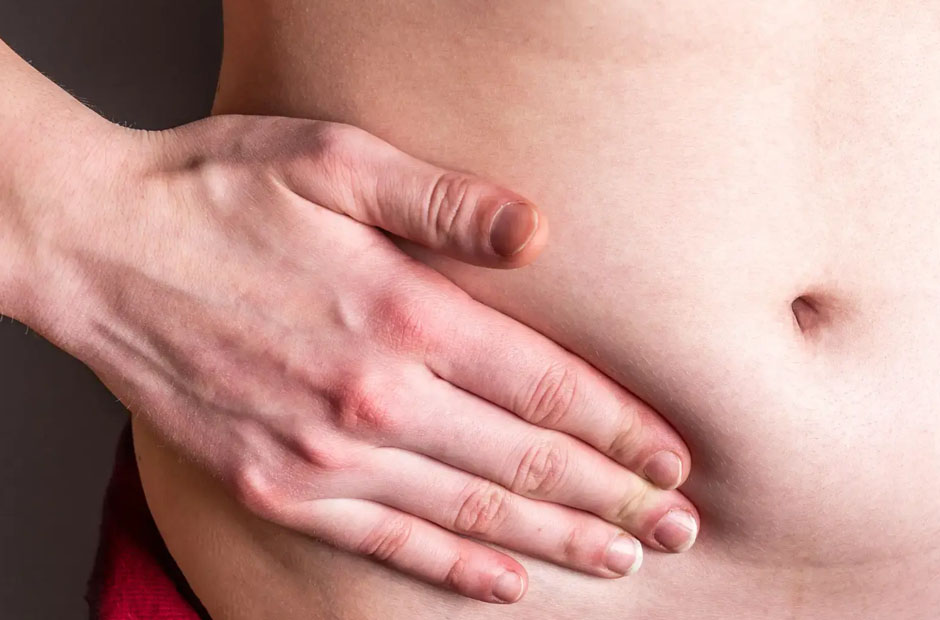
It often starts with a small lump or a feeling of pressure in the abdomen. Over time, that discomfort can grow into something harder to ignore, especially when lifting heavy objects or even just standing for extended periods. Many people don’t realize they’ve developed a hernia until discomfort becomes part of their daily routine.
A hernia happens when an internal part of the body pushes through a weak spot in the surrounding muscle or tissue. It may sound alarming, but hernias are common and manageable with the right approach. Understanding hernia repair treatment can help anyone facing this condition make confident, informed choices about their health.
Whether the treatment involves minimally invasive surgery or traditional repair, the goal is simple, to restore comfort, strengthen the affected area, and reduce the risk of recurrence. Knowing what to expect can ease anxiety and guide better decisions along the way.
Understanding What Causes a Hernia
The first step in treating a hernia is understanding how it forms. A hernia doesn’t appear overnight, it’s often the result of strain, weakness, or pressure that builds up over time. Everyday actions like heavy lifting, constant coughing, or even long hours on one’s feet can increase the risk. Age also plays a role as muscles naturally weaken over time
The Role of Weak Muscles
Weak muscles are often at the center of a hernia’s development. When muscles lose their ability to hold internal tissues in place, parts of the intestine or fat can push through, creating a visible bulge. These weak spots may be present from birth, or they can develop later in life after surgeries or injuries. For men, hernias often appear in the groin area, while women might notice them near the abdomen or around previous surgical sites.
Everyday Strain and Lifestyle Factors
Daily habits can quietly contribute to the problem. People who lift heavy objects regularly, struggle with chronic constipation, or engage in high intensity exercise can unknowingly put stress on their abdominal wall. Sometimes, even a persistent cough can trigger that internal pressure. Maintaining a balanced diet, proper posture, and a healthy weight are small but powerful ways to reduce risk.
When It Becomes Noticeable
At first, a hernia may not cause pain, but instead appear as a small bulge that comes and goes with movement. But as time passes, discomfort may increase, especially when bending or coughing. Ignoring it might seem easy, but hernias rarely heal on their own. Left untreated, they can worsen and lead to further complications like trapped tissue or reduced blood supply. Recognizing changes early makes treatment smoother and recovery faster.
Exploring Treatment Options
When a hernia starts affecting daily life, treatment becomes necessary. While mild cases can sometimes be managed temporarily with lifestyle changes, most hernias eventually require surgical repair to correct the weakened area and prevent recurrence.
Surgical Approaches and Techniques
There are two main types of procedures, open surgery and laparoscopic surgery. In open surgery, the surgeon makes a small incision to repair the weak spot with sutures or mesh. Laparoscopic surgery, on the other hand, uses smaller incisions and a camera to guide the process. Both aim to strengthen the affected area, but the choice between them depends on factors such as hernia size, location, and the patient’s overall health.
Laparoscopic surgery often results in faster recovery and smaller scars, making it a popular option for those who are suitable candidates. However, open surgery might still be more suitable for larger or more complex hernias. Discussing both options with a healthcare provider helps match the treatment to the individual’s specific needs.
Recovery and What to Expect
After hernia repair, patients usually need to rest for a few days before gradually returning to normal activities. Some soreness and swelling are normal, but these typically fade with time. Gentle movement, a balanced diet, and avoiding heavy lifting can support recovery. Following the surgeon’s advice on wound care and activity restrictions helps ensure a smoother recovery.
Emotional recovery matters too. Many people feel anxious about returning to their usual routines, worrying whether they might strain the repaired area again. Gradual progress is key. Listening to the body, starting slowly, and celebrating small milestones all help build confidence during the healing process.
Moving Forward With Confidence
The thought of surgery or medical treatment can feel daunting, but modern hernia care focuses on safety, comfort, and long term results. Today’s techniques and materials make procedures more effective than ever before, helping reduce pain and recovery time.
Still, prevention plays a big role in reducing the risk of hernias returning. Strengthening core muscles, maintaining a healthy weight, and avoiding unnecessary strain can help protect the abdominal wall. Even small habits, like lifting correctly or staying hydrated, can make a lasting difference.
Beyond the physical side, managing a hernia is also about peace of mind. Knowing that treatment exists and is highly successful can ease fear and encourage early action. Speaking honestly with a doctor about symptoms, concerns, and lifestyle helps identify the most suitable treatment approach.
In the end, facing a hernia doesn’t have to mean giving up comfort or confidence. With proper medical guidance, the right treatment plan, and care during recovery, most people can return to their normal routines with improved strength and awareness of their health. Taking the time to address it now can prevent discomfort and complications later, and that makes every step toward healing worth it.