Technology is transforming home design by blending smart systems, energy efficiency, and innovative materials to create spaces that are more convenient, sustainable, and personalized. From automated lighting and learning thermostats to customizable features that reflect your style, modern homes are becoming more intuitive and efficient, enhancing both functionality and aesthetics while improving everyday living.
Smart Home Technologies Revolutionizing Living Spaces
In modern home design, the integration of technology is redefining the way we interact with our living spaces. With advancements in smart systems, homes are becoming more efficient, secure, and attuned to our lifestyles.
Intelligent Lighting and Climate Control
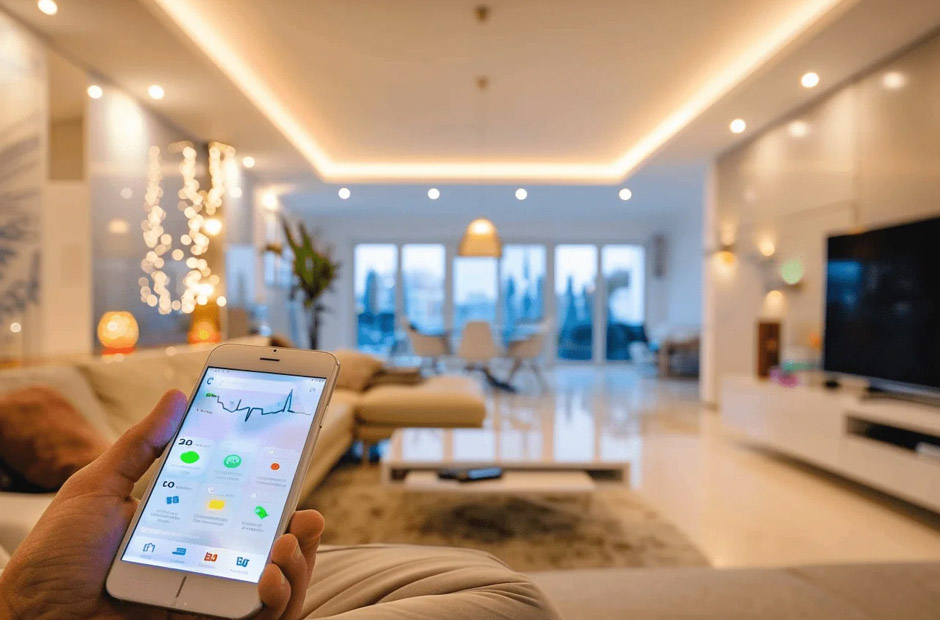
Imagine arriving home after a long day to find your living spaces perfectly lit and at just the right temperature. With intelligent lighting and climate control systems, this is possible. These technologies allow you to customize lighting based on your mood or shift the ambiance from cozy reading nooks to lively entertainment spaces. Energy efficiency is boosted by syncing the system with natural light or adjusting settings remotely through apps. Climate control systems learn your preferences over time. Smart thermostats can lower energy consumption while maintaining comfort. Geofencing is a key feature, adjusting settings as you approach home, ensuring maximum energy conservation.
Voice-Activated Systems
Voice-activated systems, like those utilizing platforms such as Alexa and Google Assistant, have transformed how you interact with your home. By simply speaking, you can play your favorite tunes, adjust room temperatures, or even check the weather. They offer unparalleled convenience by connecting with other smart devices, providing a seamless and hands-free experience. Imagine waking up and just asking for the news headlines while you’re still snuggled under the covers. Beyond convenience, these systems can assist those with mobility challenges, offering a sense of independence and ease.
Automated Security Solutions
Security is paramount, and smart technology enhances it significantly. Automated security solutions include features like smart locks, doorbell cameras, and AI-powered monitoring systems. These innovations ensure you have 24/7 oversight of your home from anywhere in the world via your smartphone. You can receive real-time alerts about unusual activities at home, whether it’s an unexpected visitor or a package delivery. With smart locks, you no longer need to worry about lost keys; you can control entry to your home with a simple command. Customizable settings let you program routines, such as automatically locking doors at night, providing peace of mind with minimal effort.
Modern Design Trends Driven by Technology
Today’s home designs are revolutionized by technology. From eco-friendly materials to personalized digital experiences, these trends redefine how we envision spaces and interact with our environments.
Sustainable and Energy-Efficient Materials
Incorporating sustainable materials is a key trend in modern design. This means using resources like bamboo, reclaimed wood, and recycled metals. Not only do these materials contribute to the reduction of carbon footprints, but they also add a unique aesthetic to spaces.
Emerging technologies are enhancing how these materials are utilized. For instance, advanced manufacturing techniques allow for more efficient use of resources. Smart insulation materials like aerogels provide energy efficiency without sacrificing comfort. You benefit from lower energy bills and a home that supports environmental sustainability.
Open Concept Layouts Enhanced by Innovation
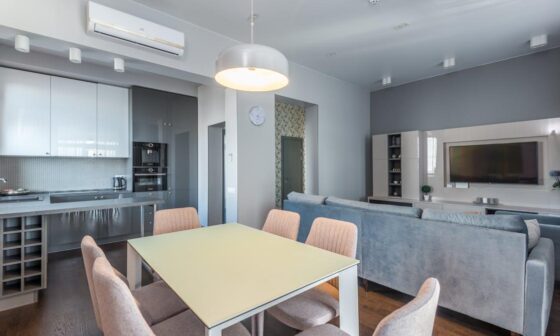
Open concept layouts remain popular due to their ability to foster social interactions and make spaces appear larger. Advances in technology now provide innovative ways to enhance these designs.
Smart partitions can be reconfigured easily to transform spaces depending on your needs. These partitions use automation to adjust in real-time. Enhanced lighting systems adjust brightness and color based on time of day or activity, adding comfort and atmosphere to your open space.
Technology allows for the seamless integration of these elements, creating multifunctional environments that suit your lifestyle.
Personalized Digital Experiences
As technology advances, homes are becoming more tailored to individual preferences. This personalization is often achieved through smart home systems that learn your habits over time. Imagine your lights dimming automatically as you start your evening routine or your favorite playlist starting when you enter a room.
Voice-activated devices and AI-driven assistants allow you to control your environment with ease. From adjusting the thermostat to setting reminders for daily tasks, personalization puts you in control. Such technologies create a living experience that is intimately yours, combining convenience with style.
By embracing these digital advancements, your home becomes a sanctuary finely tuned to your needs.
The Impact of Emerging Tech on Home Functionality
Technology is reshaping how our homes function, integrating smart solutions that make daily living more streamlined and efficient. With innovations such as the Internet of Things and augmented reality, your home is becoming an adaptable, interactive space tailored to your lifestyle.
Internet of Things Integration
Imagine waking up to a home that anticipates your needs. With Internet of Things (IoT) integration, your appliances, lighting, and even heating systems communicate with each other to create seamless living experiences. This connectivity allows you to control various home functions through a single app or voice command.
For instance, your smart fridge can send reminders about groceries running low, while your thermostat adjusts based on your daily routine. IoT’s real-time data collection ensures that your home is energy-efficient and customized to your preferences. With these systems in place, the barriers between technology and your everyday activities begin to blur, transforming your home into a responsive environment.
Augmented and Virtual Reality in Interior Design
Augmented and virtual reality (AR and VR) are revolutionizing interior design by offering you a more immersive and interactive way to visualize changes in your home. With AR, you can overlay digital information on your physical space, allowing you to see how a new piece of furniture or color scheme will look before you make a purchase.
VR takes it a step further by letting you experience a fully digital environment. This lets you walk through a 3D model of your home, experimenting with different design elements in real time. For those seeking to visualize architectural changes, innovative 3D visualization services are invaluable tools, providing detailed and realistic renderings of potential home alterations. This technology offers a personalized design process, empowering you to make informed decisions with confidence and creativity.
Future Possibilities in Home Design Powered by Technology
In the world of home design, technology continues to drive exciting changes. New advances are setting the stage for more efficient, adaptable living spaces that meet the diverse needs of modern life.
Home Automation Ecosystems
Imagine walking into your home, and everything is just as you like it—all without lifting a finger. That’s the promise of a sophisticated home automation ecosystem. These systems can seamlessly integrate lighting, climate control, and security with your personal preferences and daily schedule. You can adjust settings with a simple voice command or a tap on your smartphone. The potential for energy savings is huge, too, as smart systems optimize power usage, turning off lights and appliances when not in use. With IoT devices continually advancing, your home could soon react intuitively to your presence, creating an environment that’s always in sync with your needs.
Adaptive Spaces for Evolving Lifestyles
As lifestyles change, the spaces we live in need to be flexible and accommodating. Technology can transform static rooms into versatile environments that adapt to your activities and the time of day. Picture a living room that shifts from a cozy family area to a vibrant entertainment zone at the press of a button. Combine that with furniture that reconfigures itself, and you’ve got a space that supports various functions without the clutter of extra furnishings. Augmented reality could offer you real-time previews of room layouts and decor, allowing you to experiment before making permanent changes. Such adaptive spaces promise greater functionality and a personalized home experience.
The Future of Living, Designed Today
Technology is no longer an add-on in home design; it is the foundation shaping how spaces function, feel, and evolve. From smart systems and sustainable materials to immersive visualization tools and adaptive layouts, modern homes are becoming more intuitive, efficient, and deeply personalized, creating living environments that not only meet today’s needs but anticipate tomorrow’s.