Many homeowners invest time and money into major upgrades but still feel their space looks unfinished or slightly off. That feeling usually comes from small design details that don’t get enough attention. These details affect how a home looks, how it functions, and how comfortable it feels day to day. You notice them when a light feels too harsh, a switch is hard to reach, or a room doesn’t flow well. The good news is that fixing these issues doesn’t require a full renovation. A few smart adjustments can make a space feel more polished and easier to live in. This guide focuses on the details that often get ignored but make a real difference.
Exterior Details That Shape First Impressions
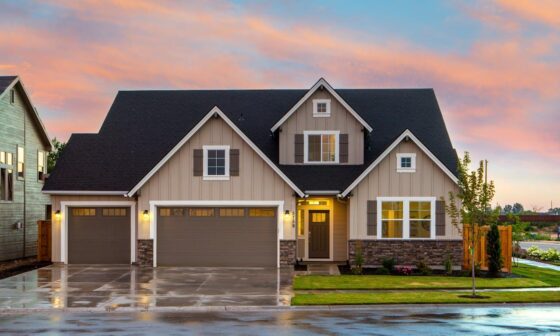
Small exterior features play a big role in how your home is perceived from the outside. These are the details people notice first, even before they step inside. Clean pathways, clear house numbers, and well-placed lighting make the entry feel more welcoming and easier to navigate. A cluttered or poorly maintained entrance can give the impression that the rest of the home is not well cared for. Outdoor lighting should guide movement safely while highlighting key areas like the front door, steps, and driveway edges. It also improves visibility at night, which adds a sense of security. Worn or outdated elements stand out quickly, especially near the entrance, where attention naturally goes. Replacing faded fixtures, straightening crooked numbers, or repairing uneven paths can instantly improve how the home feels from the street without requiring major work.
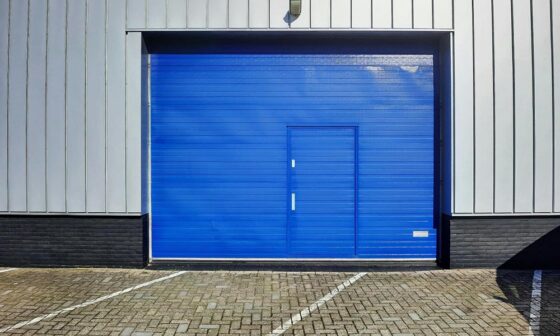
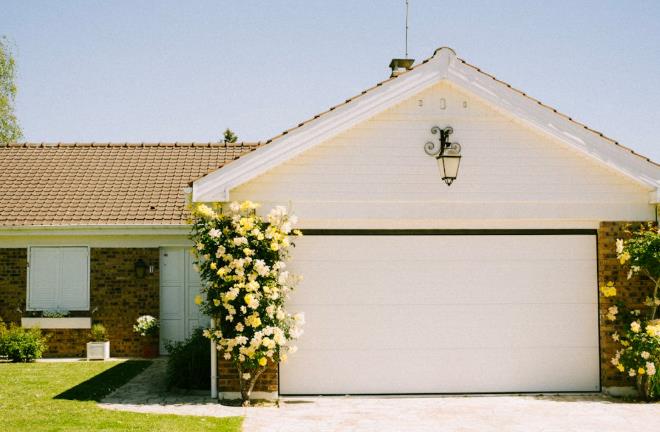
Well-maintained garage doors also affect the overall appearance since they take up a large portion of the front view. Keeping them clean, aligned, and in good working condition improves both function and curb appeal. These updates don’t require major changes but create a noticeable improvement in how the home looks and feels from the street.
Switches and Outlets in the Right Places
You don’t notice poor switch and outlet placement until you live with it every day. A switch hidden behind a door or an outlet that’s too far from where you need it becomes frustrating over time. Think about how you move through each room. You should be able to turn on the lights as you enter without reaching awkwardly. In bedrooms, switches near the bed save you from getting up again after settling in. Kitchens benefit from outlets placed along prep areas instead of just along one wall. If you’re renovating, plan these locations early. If not, consider small fixes like extension solutions or smart plugs. These adjustments improve convenience in ways you feel immediately.
Hardware Choices That Pull a Room Together
Handles, knobs, and small metal finishes quietly shape how a home feels. When these details don’t match or feel outdated, the space looks less put together. Many homes end up with a mix of finishes over time, especially after small repairs or upgrades. Taking a step back and choosing one consistent finish can improve the overall look. Matte black, brushed nickel, and warm brass are all common choices, but what matters is consistency across doors, cabinets, and fixtures. Pay attention to the style as well. Simple designs work well in modern homes, while more detailed hardware fits traditional spaces. Replacing hardware is quick and affordable, yet it creates a noticeable improvement without major work.
Trim and Edges That Define the Space
Trim often gets overlooked because it blends into the background, but it plays a big role in how finished a room feels. Thin or worn-out baseboards can make even a freshly painted room look incomplete. Clean, well-sized trim gives structure to walls and helps define transitions between surfaces. If your trim looks dated, repainting it in a crisp, clean color can make a strong impact. In some cases, upgrading to slightly taller baseboards adds a more solid and balanced look. Door frames and window casings should also match in style and finish. When these elements align, the room feels more intentional and cohesive without needing large changes elsewhere.
Smooth Transitions Between Different Flooring Types
Flooring transitions often get ignored until you notice uneven edges or awkward gaps between rooms. These details affect both safety and visual flow. When two flooring types meet, the height difference should be handled with proper transition strips. Without them, edges can lift over time or create a tripping risk. Consistent color tones between materials also help spaces feel connected, even when the textures differ. For example, pairing warm-toned wood with cool-toned tile can look disconnected. Planning transitions early prevents last-minute fixes that don’t match well. If your home already has mismatched transitions, replacing strips or adjusting edges can quickly improve the look and make movement between rooms feel smoother.
Most homes don’t need major renovations to feel better—they need attention to the details people usually skip. These small design choices affect comfort, usability, and how polished a space looks. When lighting works properly, storage feels intentional, and finishes are chosen with care, the home becomes easier to live in every day. The changes discussed here are practical and manageable, even if you tackle them one at a time. Start with the areas that cause daily frustration and work from there. As you fix these details, you’ll notice your home feels more organized, more comfortable, and more complete without the need for large-scale upgrades.