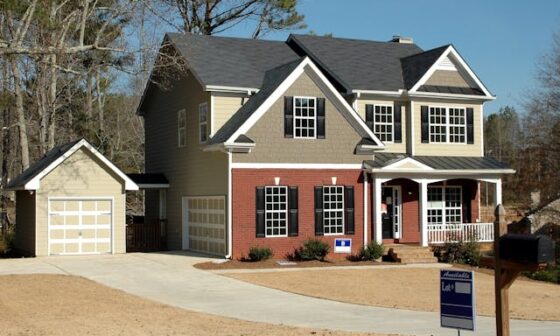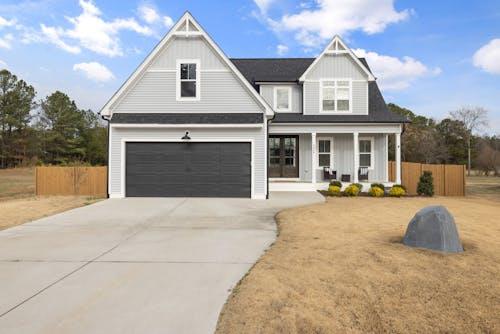
Have you ever driven past a shiny new neighborhood in Creekhaven and wondered if those freshly built homes are as perfect as they look? New construction feels like a clean slate, especially in today’s fast-moving housing market. But behind the fresh paint and modern layouts, there are details that can make or break your investment. Let’s take a closer look at what really matters.
The Promise and the Reality of New Construction
Newly built homes often come with the appeal of energy efficiency, modern design, and fewer immediate repairs. In a time when inflation has pushed up renovation costs, that promise feels even more attractive. Buyers are drawn to the idea of moving into something untouched, where everything works as expected.
Still, new does not always mean flawless. Builders are working fast to meet demand, especially as housing shortages remain a national issue. That speed can sometimes lead to overlooked details. It helps to approach new construction with the same caution you would use for an older home, even if everything looks pristine at first glance.
Location Still Decides Everything
The old rule about location has not changed, even with brand-new homes. Proximity to schools, highways, and job centers matters just as much as the house itself. In Northern Virginia, for example, access to commuter routes can make a huge difference in daily life.
When exploring options like new homes at Creekhaven, buyers often focus on the design features first. But it is just as important to look at future development plans in the area. A quiet neighborhood today could see more traffic, new retail, or even construction noise in the coming years. Checking zoning plans and local government updates gives you a clearer picture of what you are really buying into.
Builder Reputation Speaks Louder Than Marketing
A polished model home can be very convincing, but the builder’s track record tells the real story. Look up reviews, visit older communities by the same builder, and talk to current homeowners if possible. These conversations often reveal patterns that brochures never mention.
In today’s digital age, it is easier than ever to research builders, yet many buyers still skip this step. That is a mistake. A builder with a strong reputation is more likely to stand behind their work, address issues quickly, and deliver on promises without excuses.
Understand the Warranty and What It Covers
Most new homes come with a builder’s warranty, which can sound reassuring until you read the fine print. These warranties typically cover structural issues for several years but may limit coverage for smaller defects after the first year.
Knowing exactly what is included helps you avoid surprises. For instance, cosmetic issues like paint imperfections might only be covered for a short time. Given the rising costs of repairs and materials, understanding your coverage can save you thousands. Always ask for a detailed breakdown before signing anything.
Inspect Even When It Feels Unnecessary
It might seem odd to hire an inspector for a brand-new home, but skipping this step can be risky. Construction errors happen, and even experienced builders can miss things during tight timelines.
A professional inspection can catch issues like improper wiring, plumbing leaks, or poor insulation before you move in. In a market where demand often pushes buyers to act quickly, taking the time for an inspection can feel inconvenient. However, it is one of the smartest decisions you can make when protecting your investment.
Pay Attention to Materials and Finishes
Not all new homes are built with the same quality materials, even if they look similar on the surface. Builders sometimes offer upgrades for countertops, flooring, and fixtures, while standard options may be more basic.
This is where careful observation pays off. Open cabinets, check the thickness of countertops, and test doors and windows. In an era where supply chain issues have influenced material choices, what you see in a model home might not always match what ends up in your house unless you confirm every detail.
Consider Energy Efficiency and Long-Term Costs
Energy efficiency is one of the biggest advantages of new construction, especially as utility costs continue to rise across the U.S. Features like modern insulation, energy-efficient windows, and updated HVAC systems can reduce monthly bills.
Still, not all new homes are equally efficient. Ask for energy ratings and details about installed systems. A slightly higher upfront cost for better efficiency can lead to significant savings over time. As climate concerns grow and energy prices fluctuate, this factor becomes more important than ever.
Think About Resale Value Before You Buy
Even if you plan to stay long-term, resale value should always be part of your decision. Trends in housing change quickly, and what feels modern today may not hold the same appeal in ten years.
Look for features that have lasting value, such as functional layouts, good natural light, and practical storage. Avoid overly customized designs that might limit your future buyer pool. In a market shaped by shifting work patterns and remote jobs, flexibility in a home’s design can make it more attractive down the line.
The Fine Print in Contracts Can Be a Deal Maker or Breaker
Builder contracts are often more complex than standard resale agreements. They may include clauses about delays, material substitutions, or price adjustments that can catch buyers off guard.
Reading the contract carefully, or better yet, having a real estate attorney review it, is worth the effort. With ongoing economic uncertainty and fluctuating construction costs, these clauses are more common today than in the past. Understanding them ensures that you are not agreeing to terms that could create stress later.
Buying a newly built home can feel like stepping into the future, especially in growing areas like Centreville. But the smartest buyers know that beneath the fresh finishes and modern layouts, careful evaluation still matters. Taking the time to look beyond the surface helps you turn that new house into a solid, lasting investment.