The idea of where a business actually exists has shifted in ways that would have seemed strange only a decade ago. Company addresses used to sit on letterheads like fixed landmarks, tied to a single building with a single purpose. Today, that notion feels loose and almost old-fashioned. A business can run from a kitchen table one morning, a rented desk in the afternoon, and a client’s office by evening. The workplace has become something people carry with them rather than something they commute toward, and this quiet change has rewritten how founders, freelancers, and established companies think about presence, identity, and reach.
Flexibility has turned location into a strategy rather than a fact. Owners now ask where their business should appear, not just where it should sit. They think about customer convenience, team comfort, and cost efficiency as moving parts that can be rearranged whenever the market demands it. The result is a business world where being rooted in one spot is often less valuable than being able to show up wherever opportunity calls.
Rethinking Physical Space in a Mobile Business Culture
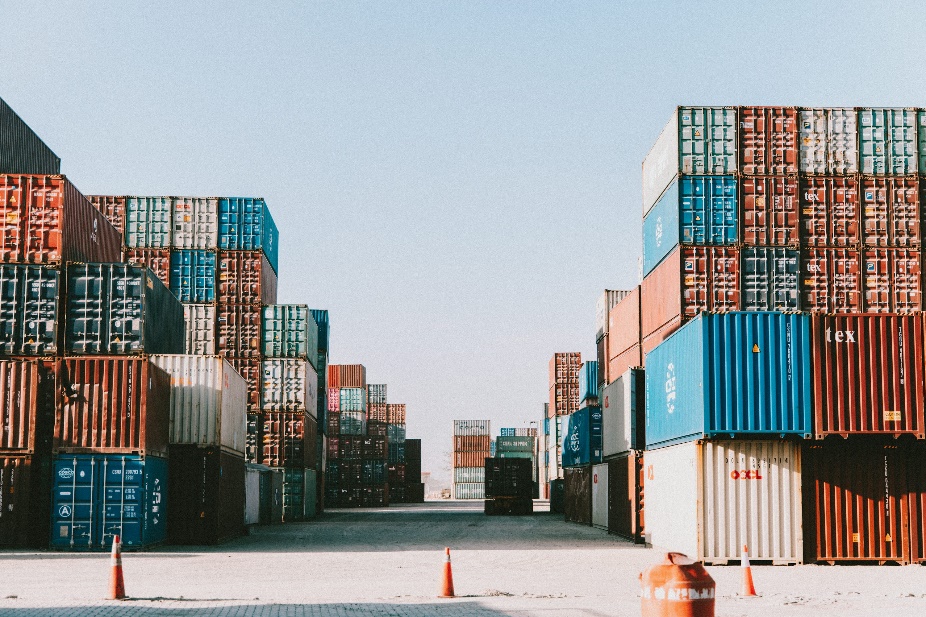
Entrepreneurs today approach physical space with a mindset their predecessors rarely considered. Instead of signing long leases and committing to permanent addresses, many are looking for structures that can move, adapt, or be reconfigured on short notice. Some turn empty lots into pop-up showrooms, while others convert modular units into compact offices that suit their workflow. A growing number of small business owners even buy shipping container units and transform them into cafes, studios, mobile workshops, or temporary headquarters that match their evolving needs. This shift reflects a deeper truth about modern commerce, which is that adaptability often matters more than permanence.
Mobile and modular setups also give owners room to experiment. A business can test a new neighborhood for a few months, gauge customer interest, and then move somewhere else without losing momentum. That kind of freedom was almost impossible under the old model of fixed storefronts and multi-year contracts. Now, physical space is treated less like an anchor and more like a tool that supports the business wherever it needs to go next.
The Rise of the Distributed Workplace
Remote work has blurred the borders of the traditional office in ways that continue to surprise even the people who run these setups. Teams that once gathered in a single building now collaborate from homes, cafes, and coworking spaces scattered across different time zones. The office, as a concept, has become a shared experience rather than a shared room. What holds a company together is no longer its walls but its systems, its culture, and the trust between its people.
This distributed model has also reshaped how customers perceive a business. A client rarely asks where a company’s headquarters are located, as long as communication feels smooth and the work arrives on time. Presence is measured by responsiveness, professionalism, and the ability to solve problems quickly. In many industries, that invisible kind of presence now carries more weight than a physical address ever did.
Digital Presence as a Form of Location
For a growing number of businesses, the most important location is not on a map at all. It lives inside a website, a social feed, or a digital marketplace where customers gather. A strong online presence can make a small operation feel larger than it is, while a weak one can make even a well-established company feel invisible. Founders now invest heavily in how their business appears on screens, because that is where most first impressions happen.
This digital form of location comes with its own challenges. It requires constant upkeep, honest communication, and a willingness to adapt to changing platforms. Still, it offers something traditional addresses never could, which is the ability to reach people across borders without leaving home. A business can build loyalty, trust, and recognition long before anyone ever walks through a physical door.
Hybrid Models and the Blended Workspace
Many companies have settled into a middle ground that combines the best parts of physical and digital presence. They maintain small, functional spaces for meetings or production while allowing most of their work to happen remotely. This hybrid approach gives teams the comfort of flexibility without losing the value of face-to-face interaction. It also helps businesses manage costs more sensibly, since they only pay for the space they actually need.
Hybrid setups have also changed how teams think about collaboration. Meetings are shorter, more focused, and often split between in-person and virtual attendees. Office visits become intentional rather than routine, which tends to make them more productive. The blended workspace is not a compromise so much as a recognition that different tasks thrive in different environments.
Community and Local Identity in a Borderless Economy
Even as businesses grow more mobile, local identity still matters in ways that surprise many owners. Customers often want to feel connected to the people behind a brand, and a sense of place helps build that connection. A business that engages with its neighborhood, supports local events, or partners with nearby creators can build a reputation that no online campaign can fully replicate. Location, in this sense, becomes a cultural choice rather than a geographic one.
At the same time, being part of a community does not require staying still. Some businesses rotate through different neighborhoods, forming temporary bonds wherever they set up. Others maintain a single base while extending their influence through digital outreach. Both approaches show that belonging and mobility can coexist, and that a business can feel local to many places at once.
The meaning of business location has clearly outgrown its old definition. It now includes physical spaces, digital platforms, mobile setups, and the quiet presence a company builds through trust and reputation. As flexibility continues to shape the economy, business owners who understand this wider definition will find themselves better prepared for whatever comes next, because they will know that location is no longer about where they are, but about where they choose to show up.