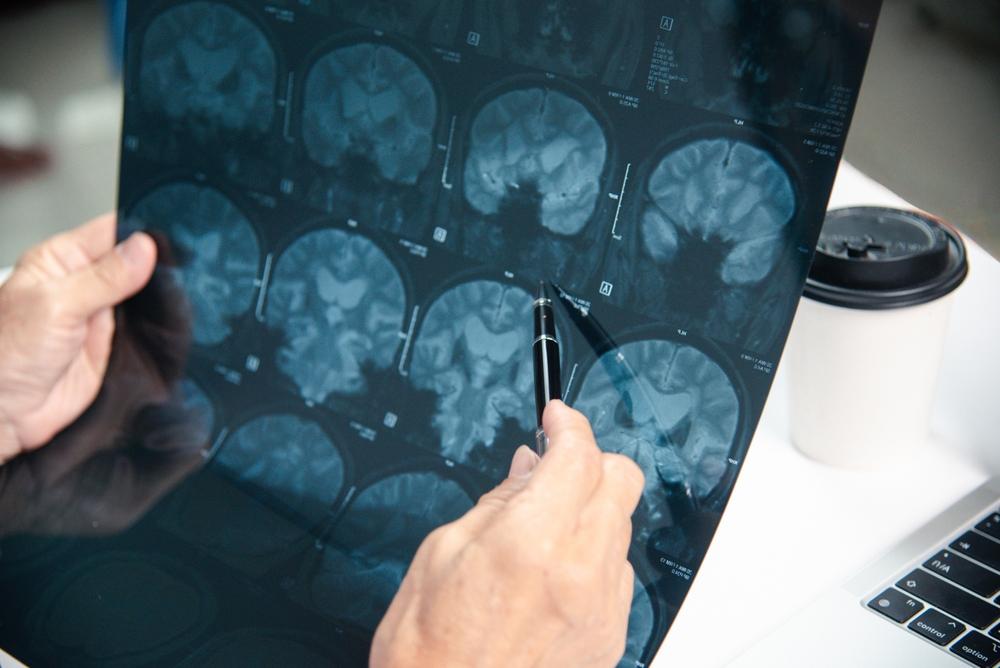
A brain injury can enter life quietly and then change everything. Some people walk away from an accident believing they are fine, only to face memory loss, headaches, confusion, or emotional changes later. What seems small in the first hours may grow into something that touches work, relationships, and daily routine.
That is why many victims try to get legal help for brain injuries after an accident. These claims are rarely simple because the injury may be hidden, symptoms may shift, and proving the full damage often takes time. If you feel lost, here are the facts that matter most today.
Why Brain Injury Claims Are Different
Not every injury can be seen with a cast or bandage. Brain injuries are different because symptoms may appear slowly and affect many parts of life at once. A person may struggle to focus, forget simple tasks, feel sudden anger, or become tired after small activities.
This creates problems in legal claims. Insurance companies may argue the victim looks normal, returned home quickly, or did not seem badly hurt at first. Yet brain trauma does not always follow a clear pattern.
Medical care, careful records, and honest reporting of symptoms matter because these injuries often reveal themselves over weeks or months rather than one dramatic day.
What Usually Causes These Claims
Brain injury claims often begin with preventable accidents caused by someone else’s careless actions. The event may be fast, but the consequences can last for years.
Common causes include:
- Car and truck crashes.
- Motorcycle collisions.
- Slip and fall accidents.
- Unsafe property conditions.
- Falling objects.
- Workplace incidents.
- Pedestrian accidents.
A hard impact is not the only danger. Sudden shaking of the head or violent movement can also cause serious harm. Many victims underestimate this and delay treatment, which can later create legal and medical trouble.
What Victims Must Prove
A claim is not based only on being injured. Victims usually need to show that another party acted carelessly and that the careless act caused the brain injury.
This often means proving:
- A duty of care existed.
- That duty was broken.
- The injury followed the accident.
- Losses came from that injury.
In a brain injury lawsuit, evidence may include medical scans, doctor notes, witness statements, crash reports, work records, and expert opinions. Because symptoms can be invisible, strong documentation becomes one of the most powerful parts of the case.
What Compensation May Include
A serious brain injury can create costs far beyond the first hospital bill. Many people need treatment long after the accident scene is gone.
Compensation may include payment for medical care, rehabilitation, therapy, medication, lost wages, reduced earning ability, and future treatment needs. It may also include damages for pain, mental distress, and loss of normal daily enjoyment.
Some victims need help with tasks they once handled easily. Others cannot return to the same job or schedule. A fair claim should reflect not only what happened already, but what the injury may continue to demand.
Mistakes That Can Hurt a Claim
Good claims can weaken quickly if key steps are missed. Many people trust that things will sort themselves out, then realize later that evidence is gone, or statements were misunderstood.
Common mistakes include delaying medical treatment, skipping follow-up care, posting about the accident online, giving recorded statements too early, or accepting a quick settlement before the full injury is known.
Another mistake is minimizing symptoms out of pride. Saying you are fine while struggling privately can damage both treatment and compensation. Clear communication matters more than trying to appear strong.
Why Timing Matters So Much
Brain injury cases often become harder with delay. Witness memories fade, video footage disappears, and records become more difficult to gather. At the same time, legal deadlines may limit how long a victim has to act.
Early action does not mean rushing into conflict. It means protecting facts while they are fresh and making decisions with better information. Even a short delay can create avoidable gaps that insurers may use later.
The strongest claims are often built steadily, not dramatically. Quiet preparation can make a major difference.
Final Thoughts
Brain injury claims demand patience, evidence, and a clear understanding of how deeply these injuries can affect life. What looks minor at first may become a long struggle involving health, income, and independence. Victims deserve to be taken seriously from the beginning, not only after symptoms become impossible to ignore.
That is why many people choose to get legal help for brain injuries before accepting blame, doubt, or a rushed settlement. Taking the right steps early can protect both recovery and the future that still needs to be rebuilt.