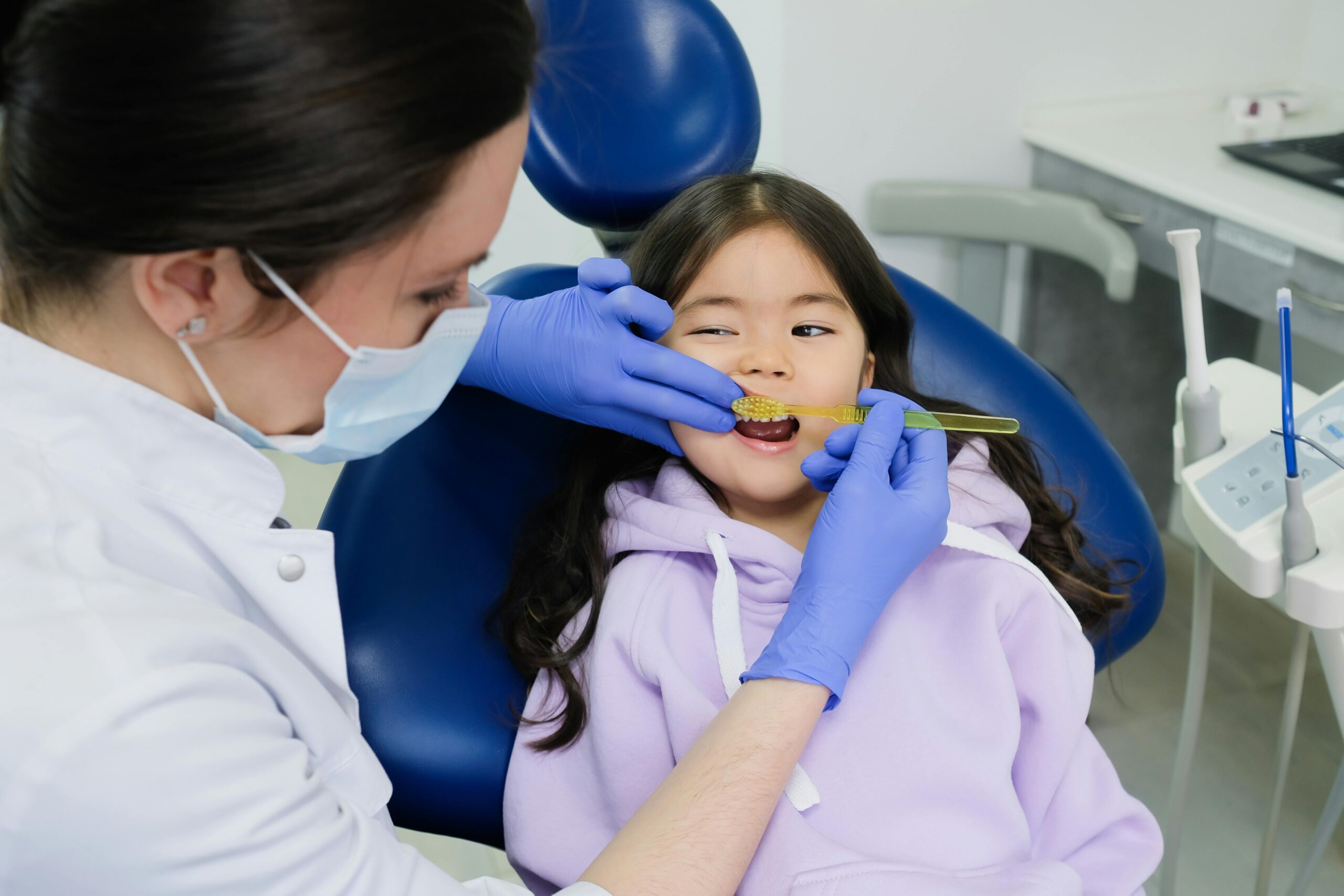
Children’s dental development is a gradual process that begins long before their first tooth appears. Each stage plays an important role in shaping oral health, comfort, and confidence as children grow. Understanding what to expect at different ages helps parents support healthy development while knowing when professional guidance may be needed.
Dental development is not the same for every child, but general patterns provide helpful insight. When parents know how teeth normally grow and change, they can identify concerns early and reinforce positive habits at home. A simple understanding of these stages can make caring for a child’s oral health feel far more manageable.
Early Infancy and Tooth Emergence
Dental development starts during infancy, even before teeth are visible. The first teeth typically emerge within the first year, though timing can vary widely. These early teeth help guide the placement of future teeth and support early chewing and speech development.
Gums may become sensitive before teeth appear, which can affect comfort and feeding. Gentle cleaning of the gums and emerging teeth helps introduce oral care early. Early attention encourages familiarity with daily hygiene routines.
Preschool Years and Primary Teeth Growth
During the preschool years, most children develop a full set of primary teeth. These teeth are essential for eating comfortably and forming clear speech patterns. They also act as placeholders for permanent teeth that will follow.
At this stage, consistent brushing becomes especially important. Children benefit from supervision to ensure proper technique while building independence. Healthy primary teeth reduce the risk of discomfort and infection during these formative years.
Importance of Spacing and Alignment
Spacing between primary teeth is a normal and healthy part of dental development. These spaces allow room for larger permanent teeth to grow in properly later. A lack of spacing does not always indicate a problem, but monitoring alignment remains important.
Dental professionals track spacing and bite progression over time. Early observation can highlight developmental patterns that may need guidance later. Alignment awareness supports smoother transitions between stages.
Mixed Dentition and Transitional Changes
Around early elementary age, children begin losing primary teeth as permanent teeth emerge. This transition, known as mixed dentition, can last several years. During this period, children may have both baby and adult teeth at the same time.
This phase often comes with questions and curiosity, as changes may feel unfamiliar. Continued oral care is essential despite uneven tooth placement. Support and reassurance help children feel comfortable as their smiles change.
Role of Daily Habits in Dental Development
Daily habits significantly influence how teeth develop over time. Consistent brushing, balanced nutrition, and limited sugar intake help protect developing teeth. These habits contribute to stronger enamel and healthier gums. Establishing routines early makes dental care second nature. Children who practice good habits are more likely to maintain them into adulthood. Consistency reinforces long-term success.
Professional Monitoring Throughout Growth
Professional monitoring ensures dental development stays on track through each stage. Dentists can identify subtle changes that may not be obvious at home. Routine visits help create a record of growth patterns over time.
Working with a pediatric dentist in Escondido provides families with age-appropriate care tailored to developmental milestones. Pediatric-focused providers understand how to guide children through each phase comfortably. This specialized attention supports both physical and emotional well-being.
Supporting Confidence During Dental Changes
Dental development often brings visible changes that children notice. Loose teeth, new gaps, or emerging permanent teeth can cause excitement or uncertainty. Encouragement helps children feel confident about these transitions. Positive reinforcement and open conversation reduce anxiety. When children understand what is happening, they are less likely to feel nervous. Confidence grows with understanding and support.
Encouraging Communication and Questions
Children benefit from having their questions answered honestly about dental changes. Encouraging curiosity helps build trust and awareness. Open communication reinforces cooperation and comfort during care routines.
Parents play a key role in explaining developmental changes in a reassuring way. Clear communication supports both emotional comfort and engagement. Understanding reduces fear and confusion.
Conclusion
Kids’ dental development follows a predictable yet flexible path that evolves through different stages of growth. By understanding these stages and reinforcing healthy habits, parents can support strong oral health and confidence. With consistent care and professional guidance, children are better prepared for a lifetime of healthy smiles.