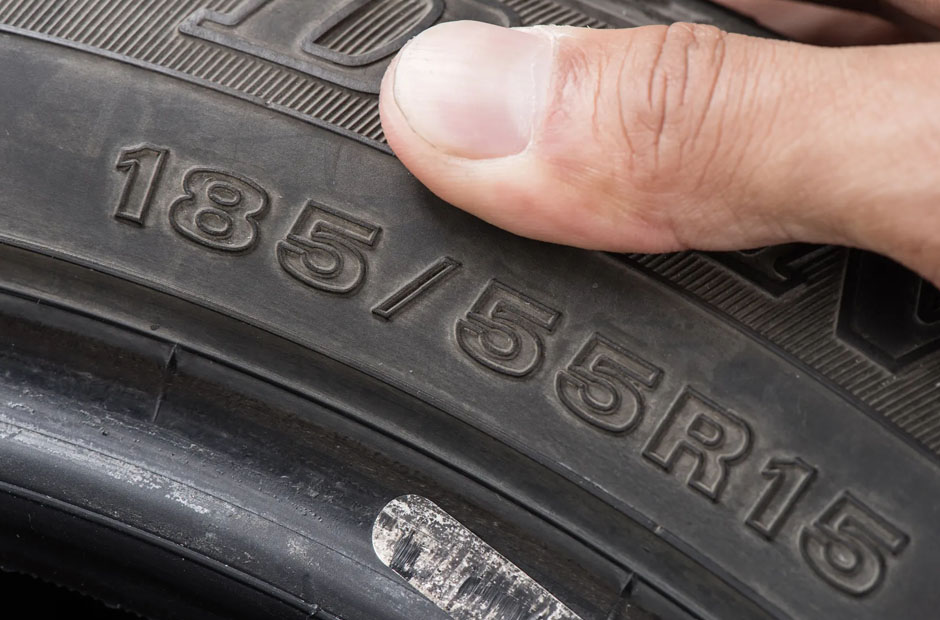
The sidewall of any tire hides a short code that tells drivers almost everything worth knowing about that piece of rubber, from its width to how fast it can safely spin. Most people walk past these markings without a second thought. Learning to read them saves money on replacements, prevents mismatched fitments, and helps stretch the life of every tire on the vehicle. This guide walks through the code piece by piece.
What the Sidewall Code Actually Shows
Passenger tires carry a string that looks something like P215/65R16 95H. Every segment points to a specific property: service type, section width, aspect ratio, construction method, rim diameter, load index, and speed rating. Manufacturers follow the same standard, so these characters carry identical meaning whether the tire rides on a family sedan, a weekend SUV, or a light pickup.
For a deeper reference on what do the tire numbers mean, drivers can pull up breakdowns that pair each digit with its real-world purpose. Decoding the string correctly keeps shoppers from buying a tire that looks close enough but behaves differently on the road. Even a small shift in width or load rating changes steering feel, fuel economy, and braking distance on wet pavement.
Breaking Down Each Marking
Service Type Letter
The opening letter signals which class of vehicle the tire was built for. P identifies passenger models designed under U.S. standards. LT covers light trucks that haul heavier cargo. ST belongs to special trailer applications, while a missing letter usually points to Euro-metric sizing, which calculates load slightly differently.
Section Width
Three digits sit right after that letter and measure the section width in millimeters. A reading of 215 means the tire spans 215mm across its widest tread point once mounted and properly inflated. Wider footprints deliver a stronger grip but tend to pull a little extra fuel at the pump.
Aspect Ratio
Two digits after the slash express sidewall height as a percentage of width. A ratio of 65 means the sidewall rises to 65% of the tire’s width. Lower figures produce a sportier profile with crisper response, while taller sidewalls soak up pavement cracks and potholes more gently.
Construction Type
A single letter after the aspect ratio describes how the tire is built on the inside. “R” means radial, the modern standard where cord plies run at 90 degrees to the direction of travel. D points to diagonal bias designs still common on trailers and older vehicles. B marks belted bias construction.
Rim Diameter
Two digits, sometimes followed by a decimal, show rim diameter in inches. A tire stamped 16 seats properly on a 16-inch wheel. Forcing rubber onto the wrong rim size damages the bead and creates real safety risks, so this figure has to match the wheel exactly.
Load Index
After a space, two or three digits spell out the load index. That value corresponds to a chart showing the maximum weight each tire supports at full inflation. An index of 95, for example, handles 1,521 pounds. Pushing past that limit traps heat inside the tire and shortens its working life.
Speed Rating
The final letter caps everything off by noting the highest sustained speed the tire can safely manage. Familiar ratings include T (118 mph), H (130 mph), V (149 mph), and W (168 mph). Matching or beating the factory rating keeps handling true to what the vehicle engineers had in mind.
Extra Codes Worth Knowing
Sidewalls also carry a DOT code that reveals the plant where the tire was made, and the week it rolled off the line. UTQG ratings, short for Uniform Tire Quality Grading, score treadwear, traction, and temperature resistance. An M+S stamp or three-peak mountain snowflake icon flags winter capability, which matters for cold-weather regions. Checking these secondary marks helps drivers match tires to actual road conditions, rather than relying on size alone.
Finding the Right Replacement Size
The simplest place to start is the driver-side door jamb placard, which lists the factory-recommended size, load index, and inflation pressure. Owners can copy those numbers exactly or consult a plus-sizing chart if they want a fresh look without changing the overall diameter. Keeping the rolling circumference within 3% of the original protects speedometer accuracy, transmission behavior, and the calibration of modern driver assistance systems.
Conclusion
Sidewall markings squeeze a surprising amount of information into a short alphanumeric code, and knowing how to read them turns tire shopping from a guessing game into a confident decision. Once drivers recognize each piece, from width and aspect ratio to load index and speed rating, matching a vehicle’s needs gets far easier. A quick glance at the door jamb, paired with the existing tire code, clears up most questions and supports safer, smoother driving through every season.