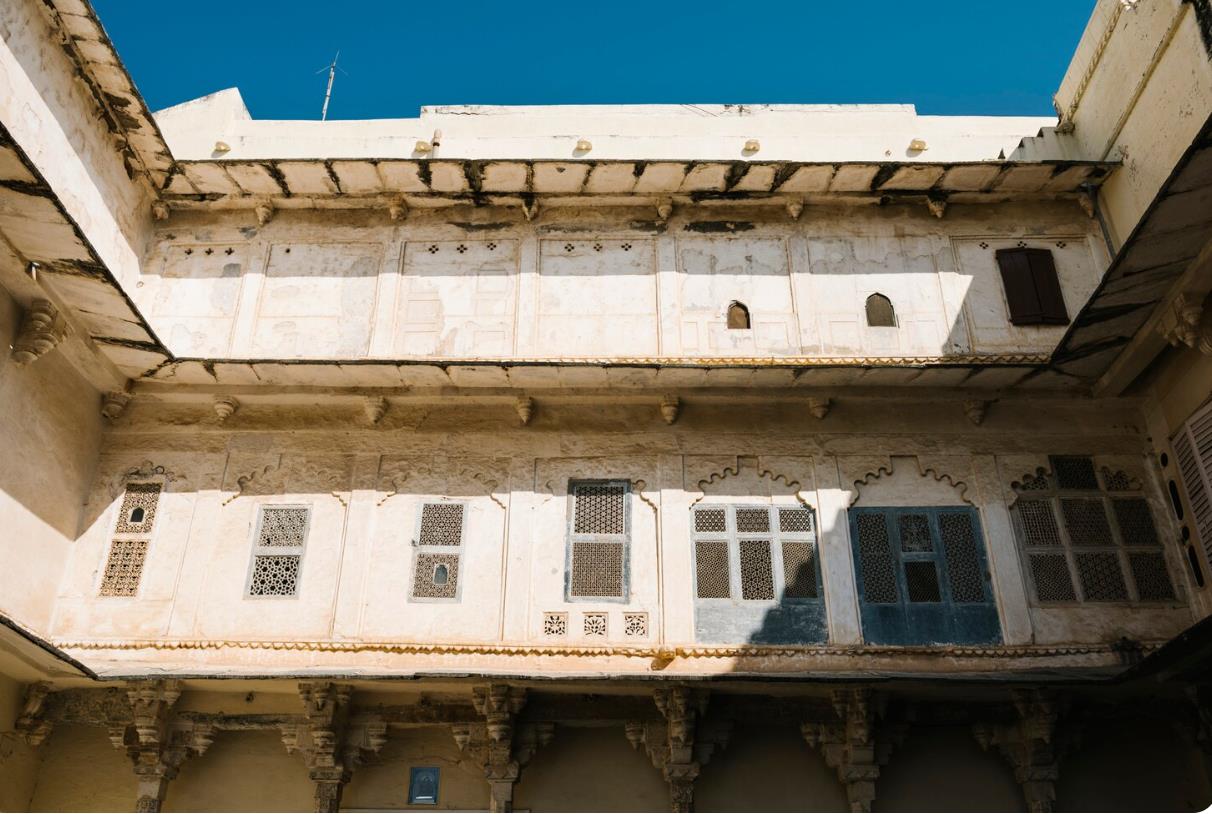
Asbestos sounds like a construction material from the past, especially after the ban. This material is notorious for causing health complications, but that was not always the case. Initially, it was marketed as a magical material for use during construction, and it did get significant attention from homeowners.
That is exactly why most buildings made in the late 19th century have this in their foundation. This information is just the tip of the iceberg. There is so much more that you should know about asbestos, so let’s dive right in to discuss this magical but dangerous material from the past.
Older Buildings Still Contain It
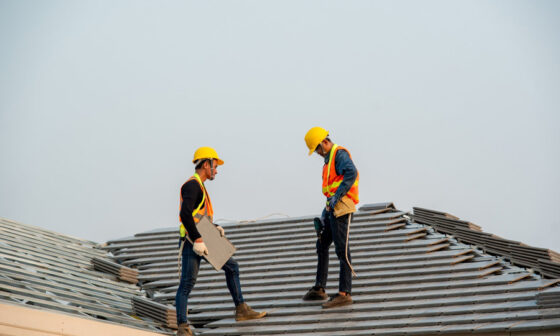
When asbestos use gained popularity in the late 1990s, the construction industry used it religiously. So, almost all buildings built at that time still contained this material. The use of asbestos tile was particularly common back in the day.
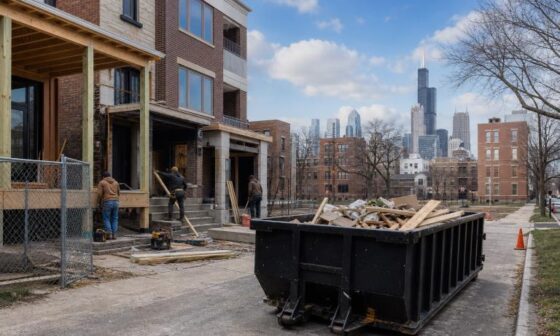
When you consider the repair and renovation of a building containing this material, there is a fair chance you might get exposed to the fibers and experience health complications. Therefore, if you are thinking of renovating an old building, you should think twice about whether the renovation is really worth the risk.
Renovation Can Be Risky
If you have to go with the renovation at all costs, you should at least have the material evaluated to check for asbestos. If it is present, you should either cover it or have it removed professionally. Otherwise, the normal renovation procedures would involve drilling, cutting, or breaking up asbestos, releasing tiny fibers into the air.
Once you inhale them, they will be trapped in your lungs, causing serious health complications. Therefore, you should always assess the risk when working with older buildings and take proactive measures to reduce it.
Not Easily Identifiable
People often assume that they can easily recognize this dangerous material, but asbestos-containing materials look just like non-asbestos materials, so appearance alone is not enough to confirm anything. Asbestos does not have any significant identity as other materials do.
So if you want to confirm the presence of this material in your building, then proper testing through a trained professional is the only way to go. This testing also plays an important role in supporting a legal claim because documented proof of asbestos presence helps firms like ELSM Law evaluate the eligibility of your case, and they will be able to use this report to strengthen your case.
No need for Immediate Removal
Asbestos can be dangerous when you inhale the fibers, but having this material in your building does not automatically mean you will be exposed to the fibers. If the material is intact and sealed in place and no one attempts to disturb it through extensive renovation, it can be safe, but one should still be cautious.
Sometimes, if you don’t disturb the material during renovation, cracks may appear due to natural disasters or poor home maintenance, and you could be exposed to harmful materials.
Conclusion
Asbestos in your building is not something you should ignore, but there is no need to panic either; you can simply find ways to manage this dangerous material to reduce the harmful effects. You should know where it may be hiding, avoid disturbing suspicious materials, and bring in the right experts before starting any major renovation project. These simple tips will help you redesign your space without any fear.