Summer heat can make any home feel uncomfortable, especially in places like Fort Myers, where high temperatures and heavy humidity often push cooling systems to work overtime. Many homeowners notice rising energy bills, uneven indoor temperatures, and rooms that never seem to stay cool enough during the hottest months. While blasting the air conditioner may seem like the easiest solution, it is rarely the most efficient one. The right home improvements can make a major difference in how comfortable your space feels while also helping reduce energy use and long-term maintenance costs. From better insulation to smarter cooling upgrades, there are many ways to create a home that stays cooler and runs more efficiently throughout summer.
In this article, we’ll explore the best summer home improvements for indoor comfort and efficiency.
Replace Old Windows to Improve Comfort and Lower Energy Bills
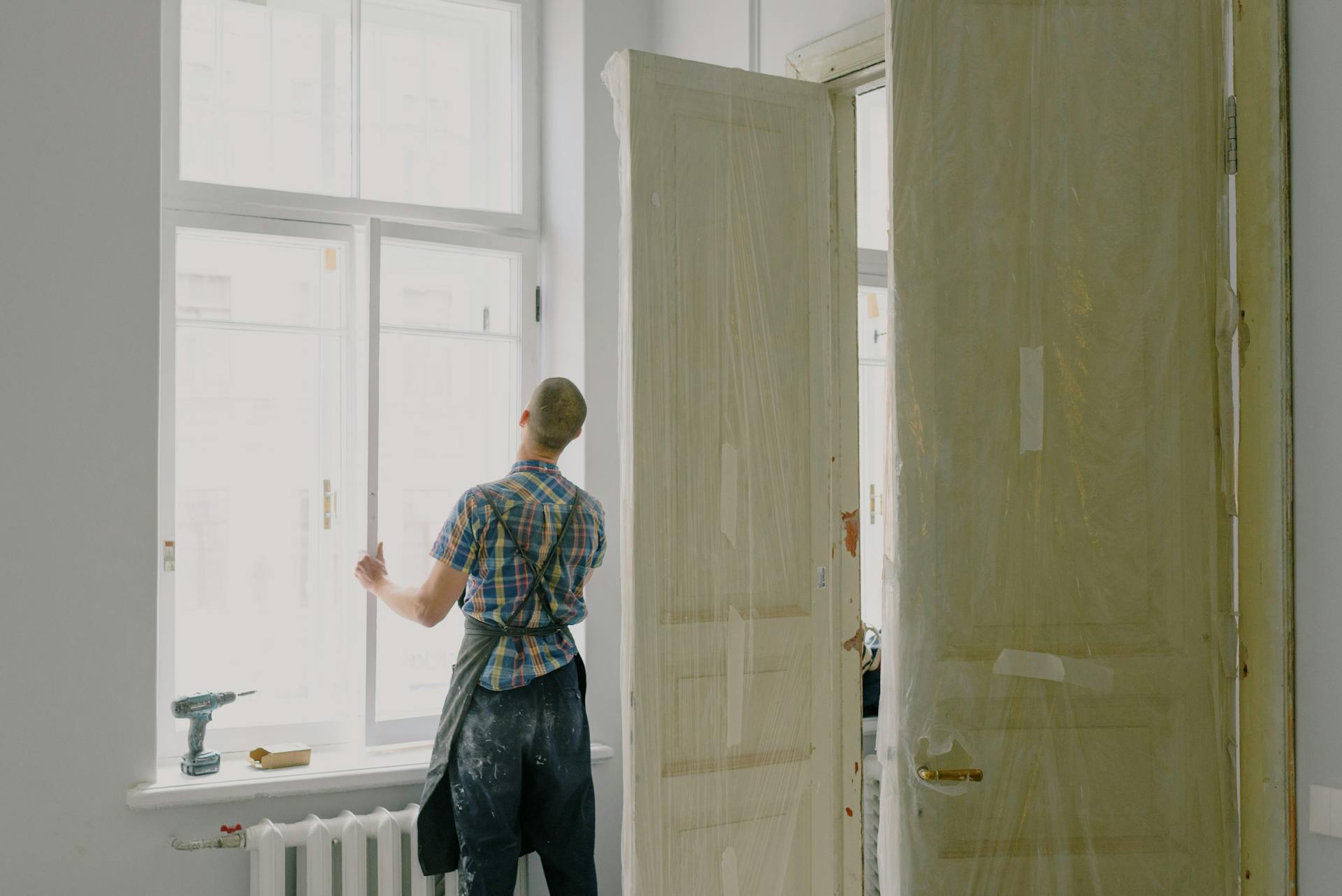
Older windows can quickly turn a cool home into a warm and sticky one, especially during the humid summers in Fort Myers. Thin glass, worn seals, and outdated frames allow heat to enter easily while letting cooled air escape. New energy-efficient windows help block outdoor heat and keep indoor temperatures more stable throughout the day. Homeowners often notice lower cooling costs after replacing older windows because the air conditioner does not need to run as frequently. Features like insulated glass and UV protection can also reduce glare and protect furniture from sun damage. A trusted Fort Myers window replacement company can recommend the right options for local weather conditions and ensure everything is installed correctly for long-term comfort and energy savings.
Upgrade Your Insulation for Better Temperature Control
A well-insulated home stays cooler during summer because it slows down the heat entering from outside. Many older homes lose cool air through attics, walls, and crawl spaces without homeowners even noticing it. That constant air loss forces cooling systems to work harder and can leave certain rooms feeling warm and uncomfortable. Adding or replacing insulation helps maintain a more consistent indoor temperature throughout the day. It can also reduce humidity levels inside the home, which makes the air feel fresher and lighter. Spray foam and blown-in insulation are both popular choices because they help seal small gaps where hot air often sneaks in during the summer months.
Install a Smart Thermostat for Efficient Cooling
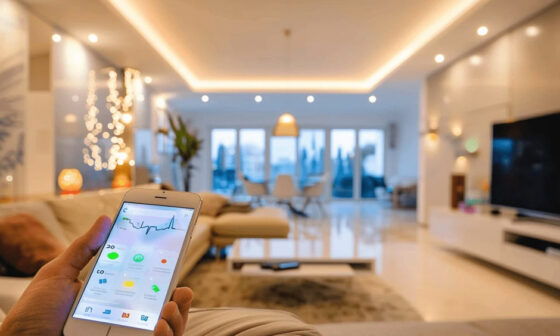
A smart thermostat gives homeowners more control over indoor temperatures without constantly adjusting settings throughout the day. These systems learn daily routines and automatically make changes based on when people are home or away. Instead of cooling an empty house for hours, the thermostat keeps energy use more efficient while still maintaining comfort when needed. Many models can also be controlled from a phone, which makes it easy to adjust temperatures before arriving home. Some systems even provide energy reports that help homeowners understand how much electricity they are using. It is a simple upgrade, but one that can make summer cooling feel far more manageable and cost-effective.
Improve Airflow with Ceiling Fans and Ventilation Updates
Good airflow can completely change how a home feels during hot weather. Even with air conditioning, stale and trapped air can make rooms feel warmer than they actually are. Ceiling fans help circulate cool air more evenly, creating a fresher and more comfortable environment indoors. Updating ventilation in kitchens, bathrooms, and attics can also help remove excess heat and moisture that tends to build up during summer. Homes with poor airflow often feel heavy and humid, especially during the afternoon. By improving ventilation and adding fans where needed, homeowners can create a cooler atmosphere without constantly lowering the thermostat temperature.
Upgrade Your HVAC System for Better Performance
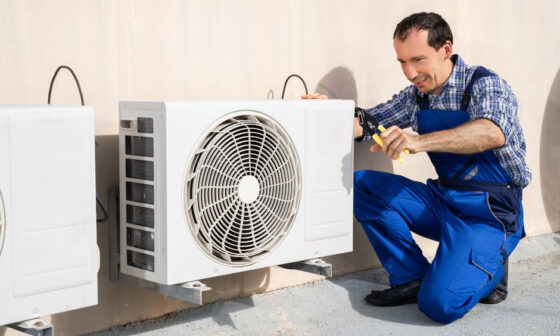
An older HVAC system can struggle to keep indoor spaces cool during the hottest weeks of summer. Uneven temperatures, weak airflow, and constant cycling are usually signs that the system is no longer running efficiently. Replacing outdated equipment with a newer energy-efficient unit can improve comfort almost immediately. Modern systems cool homes more evenly and use less energy while doing it. Some models also include humidity-control features that help indoor air feel cleaner and less sticky during warm weather. Regular maintenance also plays a big role in performance. Changing filters, cleaning vents, and scheduling inspections can help extend the life of the system while keeping it running smoothly through the season.
Add Energy-Efficient Window Treatments
Window treatments do more than improve the appearance of a room. They can also reduce indoor heat and make cooling systems more effective during summer. Blackout curtains, solar shades, and insulated drapes help block sunlight from heating up living spaces during the day. Rooms with large windows often become noticeably warmer in the afternoon, especially when direct sunlight enters for hours at a time. Energy-efficient coverings help reduce that heat without making rooms feel dark or closed off. Many modern options are designed to balance natural light with temperature control, creating a more comfortable environment indoors while also helping lower cooling costs throughout the summer months.
Use Reflective Roofing Materials to Reduce Heat Absorption
Roofs absorb a huge amount of heat during summer, especially darker materials that trap sunlight throughout the day. That heat eventually spreads into the home and can make indoor temperatures rise quickly. Reflective roofing materials are designed to bounce sunlight away instead of absorbing it. This helps keep attics and upper floors cooler even during extreme heat. Metal roofing, reflective shingles, and cool roof coatings are all popular choices for homeowners looking to improve efficiency. These materials can also help reduce strain on cooling systems by limiting how much heat enters the home in the first place. It is a long-term improvement that can make summers feel far more comfortable indoors.
Upgrade Outdoor Shading Around the Home
Outdoor shading can reduce the amount of heat that reaches the home before it even enters through windows and walls. Trees, pergolas, awnings, and covered patios all help create cooler outdoor areas while limiting direct sunlight on the house itself. Homes exposed to constant sunlight often feel warmer indoors because exterior walls absorb heat for hours. Adding shade around windows and outdoor living spaces can make a noticeable difference in indoor comfort. It also creates more usable outdoor areas during summer, allowing homeowners to spend time outside without dealing with intense heat.
A comfortable home during summer is not only about staying cool. It is about creating a space that feels calm, efficient, and enjoyable even during the hottest days of the year. The right improvements can change how a home feels every single day, from quieter cooling systems to brighter rooms with better airflow. Many of these upgrades also continue providing benefits long after summer ends, making the home more efficient and easier to maintain throughout the year. Whether the changes are large or small, investing in comfort can completely improve the way people experience their living space and enjoy time at home.