Industrial transport infrastructure is the true backbone of any busy warehouse, factory, or shipping hub. It is the complex network of tracks, roads, and automated systems that keeps heavy goods moving day in and day out. When these systems run smoothly, your business thrives and deadlines are met. But when a single piece of the puzzle breaks down, the whole operation can grind to a painful, costly halt. Now, you can optimize your industrial setup, protect your expensive gear, and keep your daily operations moving without unexpected, stressful interruptions. Here is how.
Set up a preventive maintenance schedule
Waiting for a machine to break down before you fix it is a recipe for disaster. Emergency repairs always cost a lot more money, and they completely ruin your daily production schedules. That is why a proactive preventive maintenance plan is so important for long-term success.
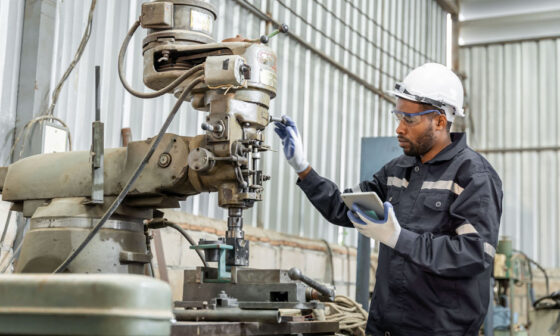
Schedule regular checkups for every single part of your transport network. This means inspecting rail tracks for small cracks, checking concrete floors for potholes, and testing automated vehicles. Create a simple checklist for your team to follow every week. Catching a small issue early, like a loose bolt, or a worn belt, takes just minutes to fix, but it saves you from days of unwanted downtime.
Choose high-quality material handling gear
The moving parts inside an industrial facility take a massive beating every single shift. If you want to keep things flowing without constant hitches, you must look closely at the specific machinery moving your goods. Your internal transport loops rely heavily on heavy-duty belts, rollers, and sorters to shift tons of weight every hour.
To keep your efficiency high, it pays to invest in reliable conveyor products and solutions that are built to handle your specific workload. Upgrading to smarter pulley systems, proper tracking devices, and impact-resistant beds reduces the daily friction on your lines. This means your system uses far less energy, components wear down much more slowly, and your team won’t have to stop the line constantly to fix jammed packages or slipped belts.
Keep components clean
Dust, dirt, and debris are the ultimate enemies of industrial machinery. In a busy warehouse or production plant, grime builds up fast on tracks, rollers, and chains. This buildup creates extra friction, which makes your motors work twice as hard and wears parts out way before their time. Make deep cleaning a standard part of your daily shift routine. Wipe down tracks, clear debris away from automated pathways, and sweep the floors regularly.
Train your team on smart system operation
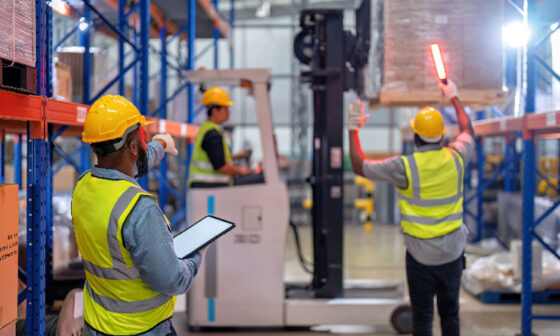
Even the best infrastructure in the world will fail if the people using it every day do not know what they are doing. Human error is a major cause of unnecessary wear and tear on industrial transport systems. Drivers turning forklift trucks too fast can damage floor joints, and workers overloading a belt can quickly fry a motor.
Spend time training your staff on how to use all the equipment properly and safely. Teach them the exact weight limits of your systems and show them how to spot early warning signs of trouble, like strange noises or slow responses. When your team knows how to care for the tools they use, your entire infrastructure lasts much longer and operates with far fewer accidents.
Use clear signs
A poorly planned layout creates traffic jams inside your space, which slows down your business and increases the risk of costly accidents. Take a close look at how goods move through your building. Are forklifts constantly crossing paths with walking workers? Are there tight corners where items always get stuck? Fix these issues by painting clear, bright lanes on the floor, adding highly visible signs, and organizing a one-way traffic flow where possible. A clean, logical layout cuts down on transit times and keeps your workforce safe.
Review your system data regularly
Most modern industrial systems are packed with smart sensors and digital tools that track performance in real time. If you are not looking at that data, you are missing out on a goldmine of optimization opportunities. Check your digital system logs weekly to see where the biggest bottlenecks are happening. You might find that a certain section of track always slows down at noon, or that one specific motor is consistently running hotter than the rest. Using these clear insights allows you to make smart tweaks to your schedule and fix hidden problems before they cause a major, expensive breakdown.
In short, keeping your industrial transport infrastructure running at its best comes down to consistent preventive care, quality gear, and smart layouts—saving you from costly downtime and keeping your operations moving smoothly every single day.