It’s easy to delay maintenance when everything appears to be working properly. After all, why spend money fixing equipment that isn’t broken? Unfortunately, this approach often leads to the very problems businesses are trying to avoid. Small issues can develop quietly over time before turning into expensive breakdowns, lengthy downtime, or even complete equipment failure.
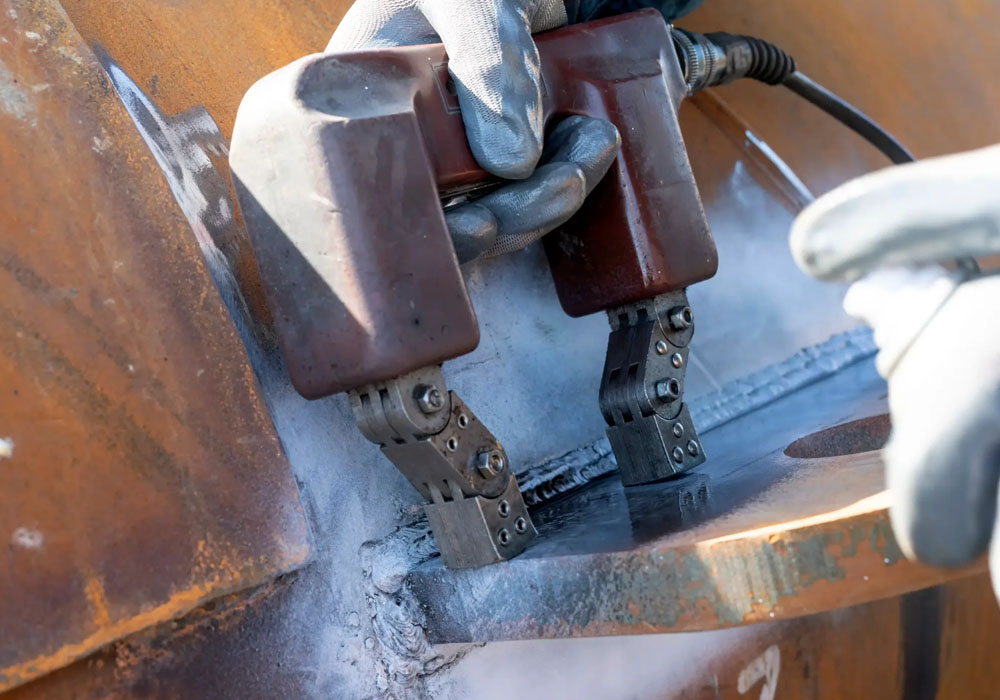
Preventative maintenance focuses on identifying and addressing potential problems before they become major repairs. This can include routine inspections, servicing, lubrication, and specialised assessments such as MPI testing to detect surface cracks in metal components before they grow into serious structural defects.
Rather than being an unnecessary expense, preventative maintenance is one of the smartest investments businesses can make to protect their equipment, employees, and bottom line.
Small Repairs Cost Less Than Major Breakdowns
Minor maintenance tasks are almost always less expensive than emergency repairs.
Replacing a worn bearing, tightening loose components, or repairing a small leak may take only a short time. Ignoring these issues, however, can place extra strain on surrounding parts and lead to much larger mechanical failures.
Addressing problems early often prevents the need for costly replacements later.
Downtime Can Be More Expensive Than Repairs
When equipment unexpectedly stops working, the repair bill is often only part of the cost.
Unexpected downtime may result in:
- Lost production
- Missed deadlines
- Delayed customer orders
- Overtime labour
- Higher repair costs
A planned maintenance schedule helps minimise these disruptions by servicing equipment during convenient periods rather than responding to emergencies.
Equipment Lasts Longer
Industrial machinery represents a significant investment, so extending its lifespan makes good financial sense.
Regular maintenance helps reduce wear by ensuring components continue operating as intended. Lubrication, cleaning, inspections, and timely replacement of worn parts all contribute to keeping machinery in good condition for longer.
Well-maintained equipment often delivers better value over its entire working life.
Safety Improves With Regular Inspections
Maintenance isn’t only about protecting machinery. It also helps protect the people who use it.
Routine inspections may identify:
- Loose guards
- Damaged electrical components
- Hydraulic leaks
- Excessive vibration
- Worn mechanical parts
Correcting these issues promptly reduces the likelihood of workplace incidents and helps create a safer working environment.
Maintenance Helps Improve Efficiency
Machines operating in poor condition often consume more energy and perform less efficiently.
Dirty filters, worn components, incorrect alignment, or inadequate lubrication can all reduce productivity while increasing operating costs.
Keeping equipment properly maintained allows it to perform closer to its intended capacity and reduces unnecessary energy consumption.
Planning Is Better Than Reacting
Preventative maintenance allows businesses to schedule repairs instead of being forced into emergency situations.
A structured maintenance programme makes it easier to:
- Budget for repairs
- Order replacement parts in advance
- Allocate staff efficiently
- Reduce unexpected interruptions
This proactive approach provides greater control over both costs and operations.
Keep Accurate Maintenance Records
Maintaining detailed service records helps businesses make informed decisions about their equipment.
Tracking inspections, repairs, and replacement schedules allows maintenance teams to identify recurring problems and recognise when machinery may be approaching the end of its service life.
Good records also help demonstrate that equipment has been properly maintained, which can be valuable for compliance and warranty purposes.
Prevention Is Always the Better Investment
Preventative maintenance may require time and planning, but it almost always costs less than dealing with unexpected failures. Regular inspections, scheduled servicing, and early identification of developing issues help businesses avoid expensive repairs, reduce downtime, and improve workplace safety.
Rather than waiting for equipment to fail, successful organisations treat maintenance as an ongoing investment. By addressing small problems before they become major ones, businesses can extend the life of valuable machinery, improve operational efficiency, and save significant money over the long term.