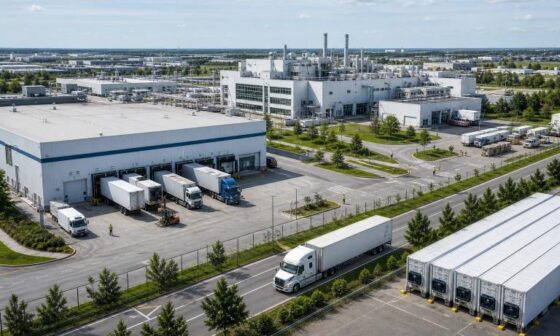
In the modern industrial landscape, manufacturing facilities operate within an environment defined by tight margins, complex supply chains, and accelerating technological change. To remain competitive, plant managers can no longer rely solely on increasing output volume; success requires systematically optimizing operational efficiency, reducing unplanned downtime, and maximizing resource utilization.
Transforming a manufacturing plant into a resilient, forward-looking facility demands a balance between physical infrastructure, smart technology, and human ingenuity. Below are practical, actionable strategies to help streamline plant operations and position your facility for long-term productivity.
1. Transition to Predictive Maintenance and Infrastructure Care
Relying on reactive maintenance—fixing machinery only after a breakdown—inevitably leads to catastrophic downtime, missed shipping deadlines, and inflated repair expenditures. Transitioning to a predictive maintenance model allows facilities to identify mechanical and electrical anomalies before they trigger operational failures.
By deploying Internet of Things (IoT) sensors across critical production assets, maintenance teams can monitor temperature, vibration, and energy draw in real time. Equally crucial is the health of your primary electrical distribution networks. Utilizing professional switchgear testing services ensures that circuit breakers, relays, and power transformers operate safely under heavy industrial loads, preventing sudden power disruptions or arc-flash hazards that could halt entire production lines.
2. Refine Facility Layout and Material Flow
Efficiency begins on the factory floor. Poorly planned plant layouts create unnecessary bottlenecks, excessive material handling, and redundant worker movement. Conducting a comprehensive workflow audit helps identify structural delays between receiving, processing, assembly, and packaging.
Adopting lean principles ensures that raw materials and work-in-progress inventory move forward smoothly without backtracking. Furthermore, integrating specialized material handling equipment—such as automated guided vehicles, continuous conveyor loops, and vertical storage systems—maximizes floor space utilization while accelerating production speeds. Minimizing manual transport not only speeds up cycle times but also significantly reduces product damage and workplace injuries.
3. Leverage Smart Automation and Real-Time Analytics
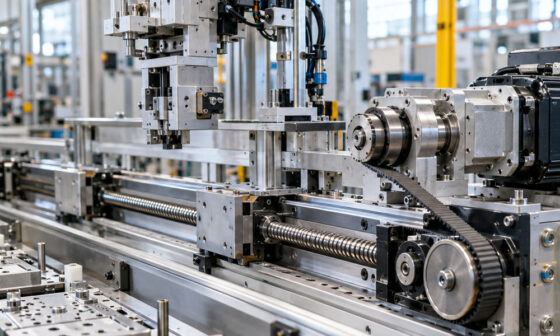
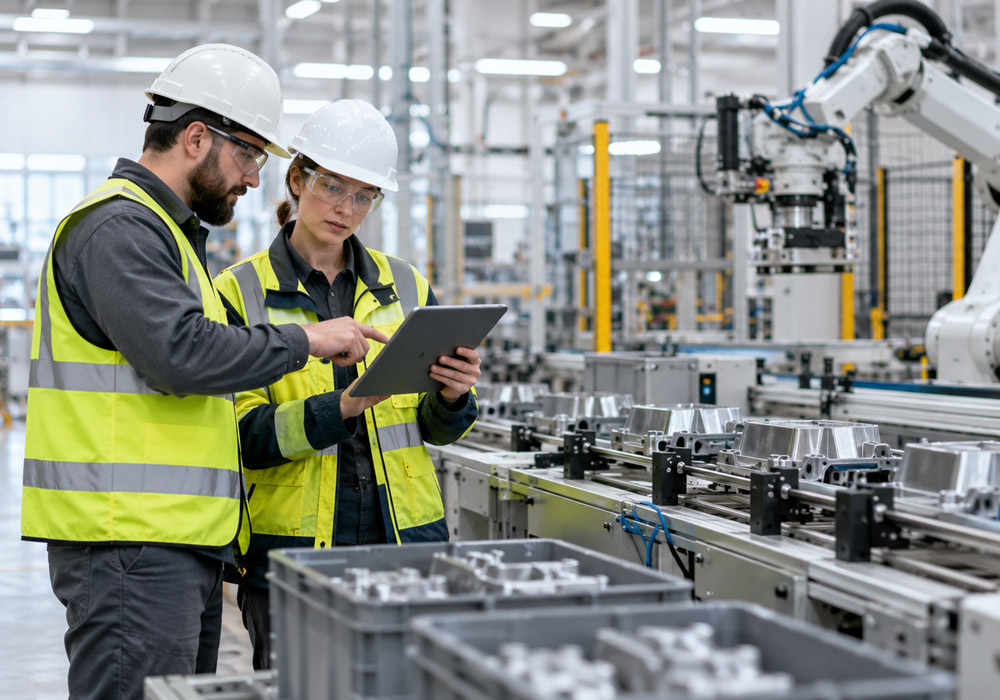
Integrating targeted automation technologies allows manufacturing facilities to achieve an unprecedented level of precision and throughput. Hybrid assembly setups, where collaborative robots (cobots) handle heavy lifting, repetitive welding, or high-speed sorting alongside skilled human operators, maximize productivity without sacrificing operational flexibility.
To gain full visibility over these automated workflows, implement real-time data analytics and central management dashboards. Tracking key performance indicators (KPIs)—such as Overall Equipment Effectiveness (OEE), scrap rates, and cycle times—enables plant leaders to make data-driven decisions instantly. When managers can isolate bottlenecks as they occur, corrective actions can be deployed immediately to maintain consistent yield.
4. Invest in Workforce Upskilling and Safety Standards
Advanced machinery and digital monitoring tools are only as effective as the workforce operating them. Continuous employee development ensures that technicians and operators remain proficient with evolving automation systems, software tools, and quality control protocols.
In tandem with skills training, fostering a proactive workplace safety culture is essential. Prioritizing ergonomic workstation design, installing physical machine guarding, and holding regular safety drills protects human capital and reduces absenteeism caused by fatigue or injury. A well-trained, safe, and engaged workforce is far more adept at identifying process inefficiencies and driving continuous improvement on the plant floor.
Final Thoughts
Building a future-ready manufacturing plant is an ongoing process of refinement rather than a single overhaul. By combining predictive maintenance, optimized layout design, smart automation, and a strong workforce culture, industrial facilities can slash operational waste and build sustainable competitive advantages. Implementing these practical steps ensures your plant operates at peak efficiency today while remaining agile enough to meet the demands of tomorrow.