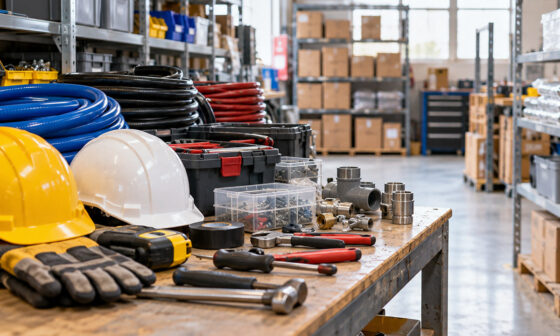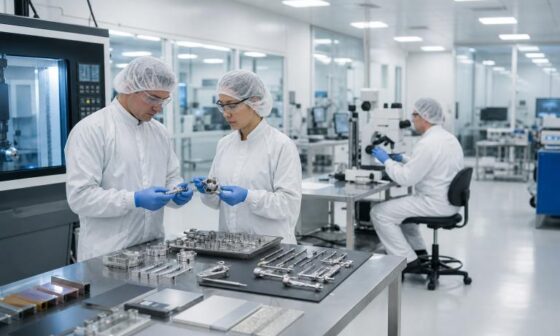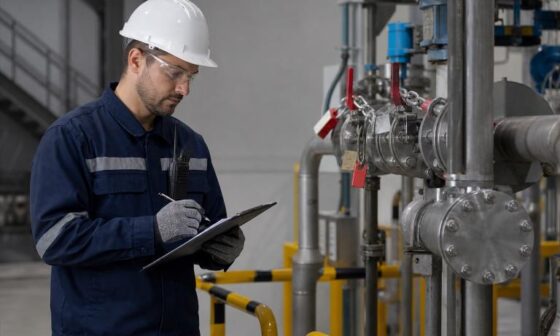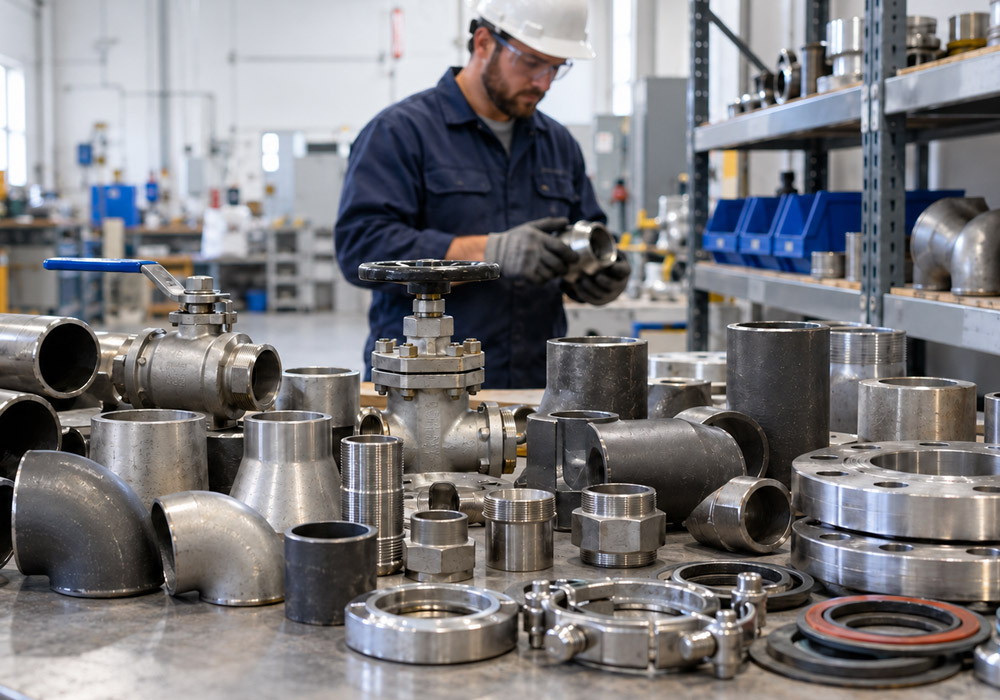
Industrial piping systems are the lifeblood of manufacturing plants, refineries, chemical facilities, and processing units, continuously transporting liquids, gases, and steam under varying pressures. When a pipe fitting corrodes, a valve fails, or a seal leaks, the resulting unplanned downtime can halt production lines, incur massive financial losses, and create severe safety hazards. Establishing a well-managed inventory of critical replacement components allows maintenance teams to address emergency repairs swiftly, protect equipment integrity, and maintain operational efficiency.
High-Performance Gaskets and Sealing Materials
Flange joints and mechanical connections represent primary potential failure points in any industrial fluid transport system. Gaskets provide the critical barrier preventing fluid or gas leakage between metal surfaces operating under high pressure, thermal expansion, and aggressive chemical environments. Stocking a diverse selection of high-performance sealing materials guarantees that technicians can restore leak-free joints during routine maintenance or emergency shutdowns.
Maintain an inventory of compressed non-asbestos fiber gaskets for general utility, water, and low-pressure steam applications. For high-temperature, high-pressure, or toxic chemical lines, stock spiral wound gaskets featuring stainless steel windings and flexible graphite filler rings. Additionally, keep various thicknesses of elastomeric sheet rubber and high-purity polytetrafluoroethylene sealing materials on hand to fabricate custom flat gaskets for non-standard pipe flanges quickly.
Proper storage of sealing materials is equally important to maintain their performance integrity before installation. Store gaskets flat in a cool, dry environment away from direct sunlight, ozone sources, and chemical vapors to prevent material degradation, hardening, or cracking. Organizing gaskets by pressure ratings and nominal pipe sizes ensures maintenance crews locate the correct seal without delay during high-pressure repair scenarios.
Pipe Thread Compounds and Industrial Sealants
Even the highest-grade threaded fittings will experience pressure leaks or thread galling if installed without proper thread sealants and lubricants. Thread sealants fill the micro-gaps between mating male and female pipe threads, providing both a hydraulic seal and lubrication during tightening. Keeping an abundant supply of professional-grade thread compounds in your maintenance facility ensures reliable, leak-proof threaded connections across all piping systems.
Stock premium polytetrafluoroethylene thread tape in varying densities, ensuring thicker, high-density tapes are available specifically for gas lines and stainless steel piping. In addition to thread tape, maintain anaerobic liquid thread sealants and non-hardening thread paste compounds suitable for high-vibration environments. Anaerobic sealants cure in the absence of air between tight metal threads, creating a tough plastic seal that resists solvent wash-out and thermal cycling.
Include high-temperature anti-seize compounds formulated with nickel, copper, or ceramic solid lubricants in your maintenance inventory. Applying anti-seize to threaded fasteners, flange studs, and valve stems prevents thread cold-welding, rust binding, and corrosion under extreme operating temperatures. Facilitating smooth disassembly during future maintenance overhauls reduces labor hours and prevents damaged piping components.
Heavy-Duty Hose Couplings and Adapter Fittings
Industrial processing plants rely heavily on flexible hose assemblies to transfer fluids between rigid metal piping, mobile tankers, portable pumps, and storage vessels. Because flexible hoses endure constant mechanical bending, pressure spikes, and ground abrasion, their end fittings and connection points require frequent inspection and replacement. Stocking robust hose couplings and transition adapters guarantees uninterrupted fluid transfer operations.
Maintain a supply of cam and groove quick-disconnect couplings in aluminum, brass, and stainless steel for rapid, tool-free hose connections. For heavy-duty discharge lines, high-pressure fluid transfer, or severe suction applications, keep a stock of barbed hose inserts. Installing a heavy-duty King Nipple Fitting ensures a safe, reliable transition between flexible rubber hoses and rigid female-threaded metal pipes or valves, preventing catastrophic hose blow-offs during high-pressure pumping operations.
Complement your hose coupling inventory with a full assortment of heavy-duty interlocking bolt clamps, worm-gear hose clamps, and crimp collars. Matching the correct clamping mechanism to specific hose barb profiles prevents fluid bypass, fitting slippage, and hose damage. Inspecting flexible hose connections regularly and replacing worn fittings protects workers from hazardous chemical sprays and fluid spills.
Selecting Metal Alloys for Corrosion Resistance
Matching hose fitting metals to transported media prevents rapid galvanic corrosion and fitting fatigue. Stocking 316 stainless steel fittings ensures compatibility with corrosive acids, chemicals, and sanitary food-grade processes.
Using carbon steel or brass fittings for non-corrosive water, air, and petroleum lines optimizes maintenance budgets. Material categorization prevents accidental installation errors in aggressive chemical environments.
Hose Fitting Safety Inspections and Maintenance
Regularly inspecting hose barbs for burrs, sharp edges, or thread damage ensures tight mechanical seals without tearing inner hose liners. Replacing worn hose fittings during scheduled maintenance prevents sudden pressure blowouts.
Color-coding or tagging hose assemblies by pressure rating and inspection dates streamlines facility safety compliance. Proactive component replacement protects personnel from high-pressure fluid hazards.
Replacement Valves and Internal Repair Kits
Valves serve as the primary control mechanism within piping systems, regulating flow rates, isolating pipe segments, preventing backflow, and relieving dangerous overpressure conditions. Because internal valve seats, stems, and seals endure continuous fluid friction and mechanical wear, valve failures are common causes of process contamination and pressure loss. Keeping spare valves and rebuild kits in stock minimizes operational disruptions.
Inventory essential isolation valves in standard pipe diameters, including full-port ball valves, globe valves for flow throttling, and resilient-seated butterfly valves. Stock swing check valves and dual-plate wafer check valves to prevent destructive water hammer and reverse flow damage to upstream centrifugal pumps. Additionally, keep pre-set pressure relief valves on hand to replace malfunctioning safety units quickly.
For larger, expensive control valves and automated actuation units, stocking complete internal repair kits—containing replacement seats, O-rings, stem packing, and diaphragms—is far more cost-effective than replacing entire valve assemblies. Rebuilding valves in-house using manufacturer-certified repair parts restores precise flow control while extending equipment operational lifespans significantly.
Essential Valve Types for Quick Replacement
Maintaining a balanced inventory of ball, gate, and check valves covers eighty percent of common industrial piping repair needs. Ball valves provide rapid quarter-turn isolation, while globe valves deliver precise manual flow regulation.
Check valves protect expensive pumps and compressors from backflow damage automatically. Having common valve sizes pre-tested and ready for installation accelerates pipe section repairs.
Restoring Valve Seats with Rebuild Kits
Overhauling worn valves with pre-packaged seat and seal kits eliminates the need to cut and weld new valve bodies into rigid piping lines. Replacing internal soft goods restores factory bubble-tight shutoff performance.
Training maintenance technicians on valve seat resurfacing and packing replacement minimizes repair downtime. Stocking valve rebuild kits preserves capital maintenance budgets effectively.
Standard Pipe Fittings, Unions, and Fasteners
When piping sections spring leaks or require modification to accommodate new processing machinery, maintenance technicians need immediate access to standard pipe fittings. Having a comprehensive selection of threaded and socket-weld fittings eliminates waiting for vendor deliveries during urgent repair projects. Standard fittings allow technicians to route piping around structural obstacles smoothly.
Maintain an inventory of forged carbon steel and stainless steel elbows, tees, couplings, reducers, and caps across standard pressure classes. Stock ground-joint pipe unions and companion pipe flanges to facilitate easy disassembly of rigid piping sections without requiring extensive cutting or unthreading. Pipe unions provide convenient access points for line flushing and internal pipe cleaning operations.
In addition to pipe fittings, stock a full assortment of high-strength flange stud bolts, heavy hex nuts, and hardened steel washers. Ensure stud bolts are rated for high-pressure, high-temperature service, such as ASTM A193 Grade B7 alloy steel. Using certified, high-strength fasteners on flanged joints guarantees proper gasket compression and prevents joint separation under extreme system pressure spikes.
Organizing Fitting Inventory by Pressure Class
Categorizing pipe fittings by pressure ratings—such as Class 150, Class 300, and Class 3000—prevents low-pressure fittings from being installed accidentally in high-pressure lines. Clear bin labeling avoids dangerous pressure rating mismatches.
Color-coding storage racks by material grade, such as carbon steel versus stainless steel, simplifies parts selection for maintenance crews. Systematized inventory organization improves facility safety standards.
Utilizing Pipe Unions for Maintenance Access
Installing pipe unions adjacent to pumps, control valves, and meters allows quick equipment removal without dismantling long runs of rigid pipe. Unions provide mechanical disconnect points that speed up component servicing.
Replacing corroded or seized pipe unions during routine overhauls maintains piping system modularity. Strategic union placement simplifies long-term facility maintenance work.
Pipe Supports, Hangers, and Vibration Dampeners
Industrial piping systems experience continuous mechanical stress caused by fluid weight, thermal expansion, water hammer, and structural equipment vibration. Without adequate external support, piping networks can sag, develop structural fatigue cracks, and place severe mechanical loads on pump nozzles and vessel connections. Maintaining pipe support hardware ensures long-term structural integrity across all overhead and floor-mounted lines.
Stock heavy-duty pipe hangers, clevis hangers, roller supports, and split-ring pipe clamps designed for overhead structural steel attachment. For piping carrying high-temperature steam or hot thermal fluids, maintain a supply of spring hangers and constant-support units that accommodate vertical thermal pipe expansion without transferring stress to adjacent machinery.
Keep vibration-damping pipe clamps and rubber-lined cushion clamps in stock for lines connected to reciprocating compressors or high-volume pumps. Dampening mechanical vibration prevents metal fatigue, joint loosening, and premature fitting failure. Replacing broken or missing pipe supports during routine plant walkthroughs prevents catastrophic piping collapses.
Accommodating Thermal Pipe Expansion
High-temperature steam and thermal oil lines expand significantly during operational startup, requiring spring hangers and slide guides that permit axial movement freely. Rigidly clamping hot piping causes buckling and flange leaks.
Stocking slide plates and spring supports ensures thermal expansion stresses dissipate safely. Proper thermal movement management extends piping operational life.
Dampening Equipment Vibration along Pipe Runs
Uncontrolled pipe vibration loosens threaded joints, degrades flanged seals, and causes stress fractures near weld seams over time. Installing cushioned pipe clamps absorbs mechanical energy from surrounding machinery.
Replacing worn rubber damping liners protects pipe walls from chafing and exterior metal wear. Vibration control preserves structural piping safety.
Conclusion
Proactive maintenance of industrial piping systems relies heavily on having the right components available before a breakdown occurs. By maintaining a well-organized inventory of high-performance gaskets, thread sealants, hose couplings, replacement valves, standard pipe fittings, and robust pipe supports, your facility minimizes unplanned downtime and protects worker safety. Investing in quality replacement stock transforms potential emergency disruptions into routine, manageable repair procedures, ensuring continuous fluid transport and long-term plant productivity.