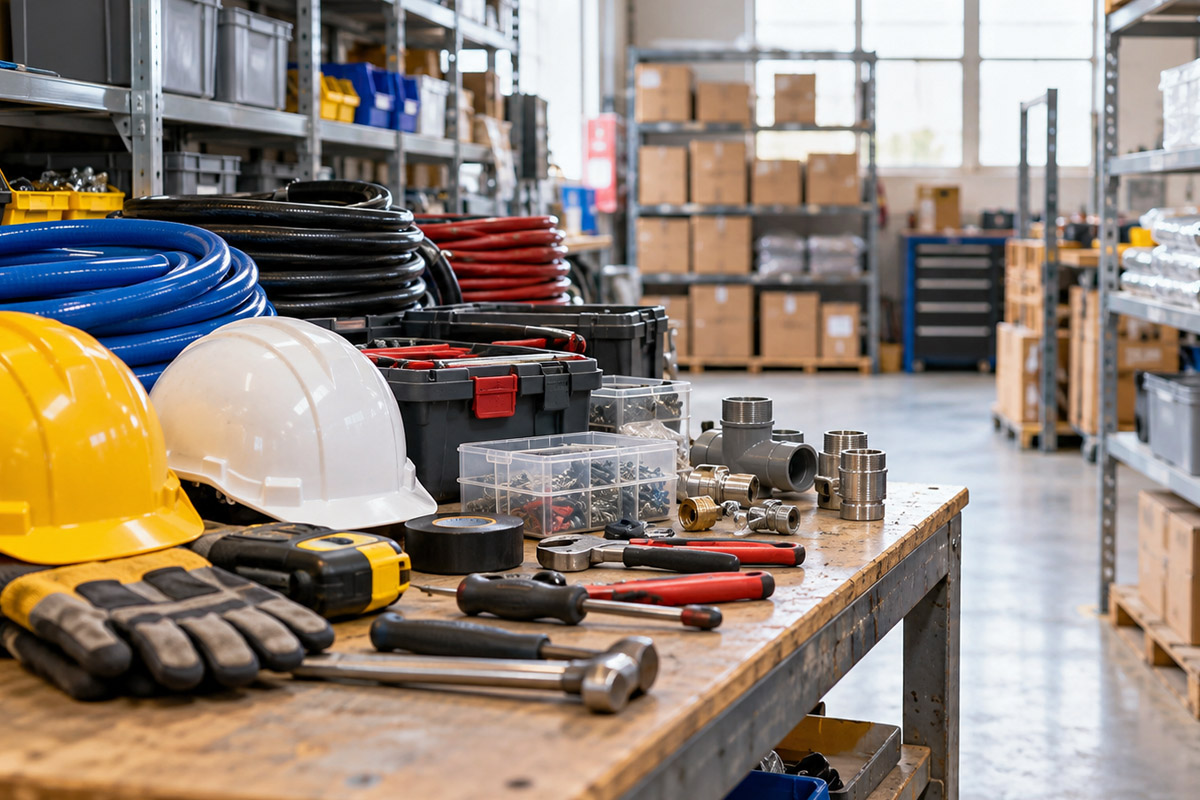
Reliable access to quality industrial supplies is fundamental for achieving efficient operations in various sectors. Whether in manufacturing, construction, or maintenance, the right tools, equipment, and materials ensure that workflows remain uninterrupted and safety standards are upheld. Understanding the range of essential industrial supplies and their role can help businesses maintain productivity and reduce costs associated with downtime and equipment failure.
Understanding Industrial Supplies
Industrial supplies encompass a broad category of products that support the functioning of industrial facilities. These include consumables, machinery components, safety items, and tools necessary for day-to-day operational tasks. These supplies are designed to withstand rigorous conditions and performance demands typical to industrial environments.
Efficient procurement of such supplies contributes significantly to the streamlined operation of factories, warehouses, and construction sites. Equally important is selecting suppliers who offer durable products that comply with regulatory standards and industry best practices.
Categories of Industrial Supplies
The scope of industrial supplies can be broken down into several key categories:
- Tools and Equipment: This includes hand tools, power tools, and machinery attachments critical for various assembly, repair, and maintenance activities.
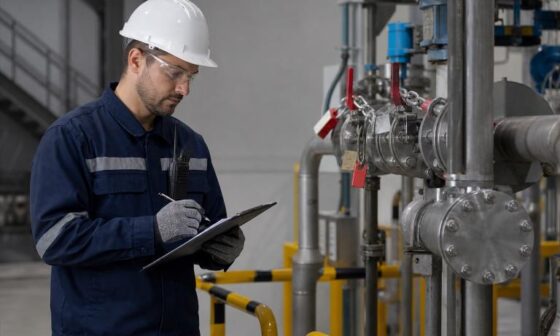
- Safety Gear: Personal protective equipment (PPE) such as gloves, helmets, safety glasses, and respirators ensure worker safety, which is a top priority in industrial settings.
- Fasteners and Fixings: Items such as bolts, nuts, screws, and washers are integral for structural integrity and equipment installation.
- Lubricants and Adhesives: Proper lubrication reduces wear and tear on machinery, while adhesives play a key role in assembly and repair tasks.
- Raw Materials and Consumables: These include welding rods, abrasives, cutting fluids, and cleaning agents frequently used during production and maintenance.
Impact of Quality Industrial Supplies on Operations
Using high-quality industrial supplies has a direct impact on operational efficiency. Substandard supplies can lead to equipment malfunction, safety incidents, and increased maintenance costs. Conversely, premium supplies enhance equipment longevity and reduce unscheduled downtime.
For example, selecting durable fasteners can prevent structural failures, and using reliable safety gear lowers the risk of workplace injuries. Investing in superior industrial supplies thus safeguards both employees and assets while promoting productivity.
Choosing the Right Industrial Supplies Provider
Choosing a reputable supplier is critical to ensuring a steady and reliable supply of quality industrial products. A reliable supplier will offer a broad product range, fast delivery, technical support, and compliance with safety standards. The supplier’s ability to provide tailored industrial supplies solutions that match specific operational needs can further improve efficiency.
Many organisations turn to suppliers with an established reputation in the industry. For instance, companies like Maxiloc offer comprehensive industrial supplies designed to meet varied industrial requirements, with a focus on durability and compliance.
Inventory Management and Stock Control
Effective inventory management of industrial supplies is essential for uninterrupted operations. Maintaining an optimal stock level prevents overstocking that ties up capital and understocking that can halt production. Integrating real-time inventory tracking and demand forecasting enables precise stock control and timely reordering.
Automation tools and software also play a significant role in streamlining procurement and inventory processes, reducing errors and administrative burden while improving transparency and accountability.
Technology’s Role in Enhancing Industrial Supply Chains
Technological advancements have transformed the way industrial supplies are procured and managed. Integration of supply chain management systems allows better communication between suppliers and purchasers, facilitating faster order processing and improved supply chain visibility.
Moreover, predictive analytics help foresee potential shortages or surpluses, enabling proactive measures to maintain operational continuity. This technological edge is particularly valuable in industries with fluctuating demand and stringent quality requirements.
Safety Considerations Linked to Industrial Supplies
Safety is a critical concern in all industrial sectors. The provision and proper use of certified industrial supplies significantly reduce the risk of accidents and hazardous exposures. For example, high-quality PPE sourced from trustworthy suppliers ensures protection against chemical, mechanical, and environmental risks.
Regular inspection and replacement of safety equipment and supplies are also necessary to maintain their effectiveness. In this way, adherence to safety regulations not only protects personnel but also limits legal liabilities for organisations.
Cost Efficiency Through Strategic Procurement
While industrial supplies are crucial, organisations must carefully balance cost considerations against quality. Choosing cheaper alternatives may lead to frequent replacements and higher long-term expenses. Strategic procurement involves evaluating total cost of ownership, including purchase price, lifespan, and impact on downtime.
Negotiating with suppliers for volume discounts, establishing long-term contracts, and consolidating orders can also generate cost savings. Ensuring consistent supply and quality simultaneously enhances operational reliability.
Environmental Considerations in Industrial Supplies
Increasingly, organisations are seeking environmentally sustainable industrial supplies. Products sourced responsibly and designed with recyclability or reduced environmental impact in mind contribute to broader corporate social responsibility goals.
Manufacturers and suppliers are responding by developing eco-friendly materials and implementing environmentally conscious production methods. Organisations prioritising sustainable industrial supplies gain competitive advantages through improved brand reputation and adherence to evolving regulatory requirements.
Emerging Trends in Industrial Supplies
The industrial supplies sector continues to evolve in response to technological, economic, and environmental pressures. Trends such as digitalisation, smart inventory management, and the integration of IoT-enabled devices into industrial tools represent significant innovations.
Furthermore, there is rapid growth in advanced materials that offer increased durability and specialised properties tailored to modern industrial challenges. Keeping abreast of such trends helps organisations maintain operational efficiency and adapt to future demands.
Conclusion
Access to comprehensive and reliable industrial supplies is a cornerstone of efficient industrial operations. Businesses that prioritise quality, safety, and sustainability in their procurement decisions position themselves for long-term success. Additionally, adopting modern inventory and supply chain management practices enhances supply reliability and cost-effectiveness.
Organisations that invest in the right industrial supplies, provided by trusted partners, not only improve productivity but also foster safer and more sustainable working environments. Understanding the critical role these supplies play supports informed decision-making and operational excellence across the industrial sector.