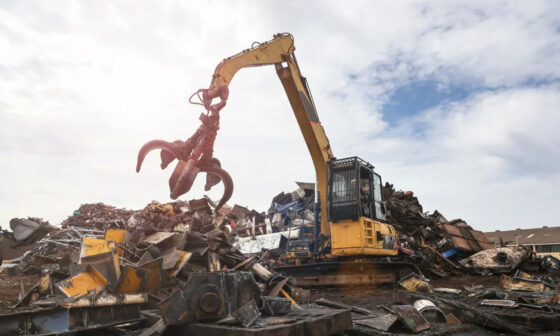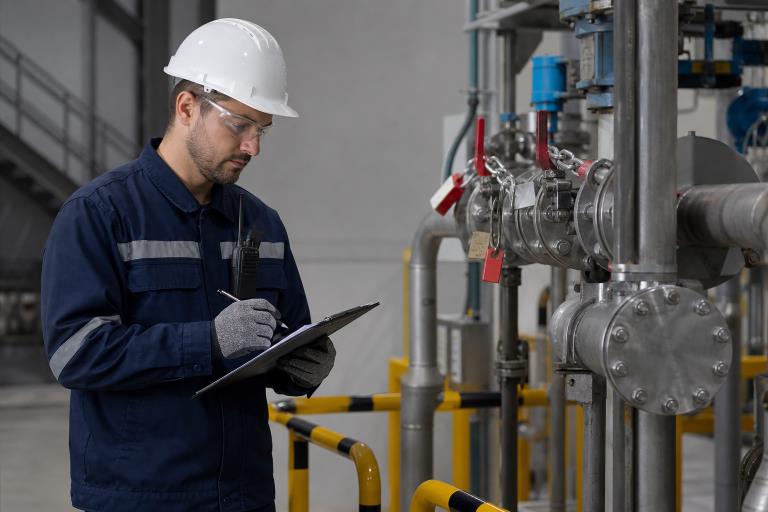
Planned shutdowns, turnarounds, equipment upgrades, and removals create an unusual mix of opportunity and risk. Production may be paused, but the work area can become more complex as operations personnel, inspectors, maintenance crews, lifting teams, and specialty contractors work in the same space. Successful Chemical Plant Demolition and maintenance projects begin with a detailed plan well before tools, cranes, or cutting equipment arrive.
Rushed work can expose crews to residual chemicals, stored energy, unstable materials, ignition sources, and unexpected equipment movement. The goal is not merely to complete the scope on schedule. It is to establish a verified safe condition, communicate it clearly, and reassess it whenever site conditions change.
Why Shutdown Planning Matters
A shutdown changes the normal safeguards that crews rely on during routine operations. Guards may be removed, lines opened, scaffolding installed, and process equipment taken apart. Recent enforcement activity also reinforces the importance of contractor preparation and emergency controls. In June 2026, OSHA proposed penalties following a chemical spill cleanup in which investigators found deficiencies involving training, respiratory protection, and hazardous-waste response planning during the post-emergency response cleanup.
Good planning makes hazards visible early enough to control them. It aligns the work sequence with isolations, permits, access requirements, lift plans, inspections, and emergency procedures. Most importantly, it gives every worker a clear understanding of the approved scope and the authority to stop when conditions no longer match the plan.
The Main Risks During Plant Shutdowns
A quiet unit can still hold serious hazards. Pipes, tanks, vessels, and equipment may contain chemical residue, pressure, steam, heat, electrical energy, or hydraulic force. Flammable vapors and combustible dust can remain present even after a system appears inactive. Corrosion can weaken steel, supports, platforms, and fasteners, while confined spaces can limit visibility, communication, and escape. Simultaneous work adds another layer of risk because cutting, welding, lifting, cleaning, and inspection activities may affect one another.
How To Build A Safer Work Plan
Every shutdown task should follow a repeatable planning process rather than relying on assumptions or prior experience.
- Define the task. Identify exactly what will be repaired, removed, isolated, cleaned, or modified.
- Review the site. Check current drawings, access routes, nearby equipment, overhead obstructions, work boundaries, and emergency exits.
- Identify hazards. Consider chemical exposure, structural conditions, electrical hazards, fire potential, fall risks, lifting risks, and interactions with other crews.
- Assign controls. Connect each hazard to a practical control, such as isolation, a permit, a barricade, an inspection, a monitoring requirement, or protective equipment.
- Confirm responsibilities. Identify who authorizes the work, who verifies controls, who can stop work, and who leads an emergency response.
Example: Removing a Process Pipe
A pipe removal may sound routine, but the safe plan can involve far more than disconnecting bolts. The crew may need confirmed isolation records, draining and flushing, atmospheric testing, checks for residual weight or pressure, a review of nearby supports, a lifting plan, exclusion zones, and a clear path for lowering and removing the section. If one of those conditions changes, the plan should be reviewed before work continues.
Control Energy And Chemical Hazards
Isolation is only effective when it is both applied and verified in the field. Use lockout and tagout for electrical and mechanical systems, and use positive isolation methods such as double-block-and-bleed arrangements where the process and site procedures require them. Drain, flush, purge, or neutralize equipment in accordance with the material involved and the approved procedure. Test the atmosphere before opening, entering, cutting, or moving equipment, and continue monitoring when conditions could change during work.
A label, drawing, or old work order does not prove that equipment is safe. Workers need written confirmation of the safe condition, supported by field verification. Hot work also requires control of sparks, heat, combustible materials, vapors, and other ignition sources throughout the task.
Manage Contractors From Day One
Contractor coordination should begin before mobilization, not at a brief site orientation. Review relevant experience, worker qualifications, required permits, insurance, training records, emergency contacts, and the contractor’s approach to similar industrial work. Share current hazards, site rules, alarms, radio channels, stop-work expectations, and shift-change procedures before crews enter the work area.
Daily coordination meetings are especially valuable when multiple crews share equipment or access routes. The plan must also evolve as work progresses. A 2026 chemical incident investigation by the U.S. Chemical Safety Board involved a reported reaction during equipment cleaning and decommissioning, underscoring why chemical compatibility and cleaning activities deserve the same disciplined planning as major repair work.
Choose The Right Methods And Equipment
The fastest-looking method is not always the safest choice. Planners should compare the hazards created by each option before selecting equipment and sequencing the work.
- Cold cutting can reduce heat and spark hazards where ignition control is critical.
- Diamond cutting can provide controlled cuts in concrete and heavy materials.
- Mechanical demolition can be effective where access is adequate and the structure can tolerate vibration.
- Remote or robotic equipment can increase the distance between workers and hazardous areas.
- Manual work can suit smaller tasks when weight, access, ergonomics, and exposure are controlled.
Evaluate heat, dust, vibration, noise, water use, access, waste handling, structural stability, and nearby operations. The selected method should reduce overall exposure, not simply shorten one part of the schedule.
Use Inspections, Data, And Clear Records
Reliable records help crews recognize changing conditions before they become failures. Useful documents include pre-work inspections, equipment condition notes, gas test results, permit approvals and closeouts, structural assessments, near-miss reports, shift handover notes, and photographs of the work area. Keep entries short and useful: identify the hazard, the control, the responsible person, and the next review point. Paperwork should support decisions in the field, not sit unread in a file.
A Practical Shutdown Checklist
- Have operations, safety, and engineering reviewed the work scope?
- Are all energy sources identified, isolated, and verified?
- Has chemical residue been removed or controlled?
- Have the required atmospheric tests been completed?
- Are access, fall protection, barricades, and emergency routes ready?
- Is the lifting or removal sequence clearly understood?
- Are nearby systems protected from damage and unintended release?
- Does every crew understand the stop-work process?
- Has the plan been updated for site changes?
- Is the area safe and clearly communicated for the next shift?
Conclusion
Safe shutdown work depends on preparation, verification, communication, and careful method selection. Strong plans account for changing conditions and encourage workers to pause whenever the actual work no longer matches the approved scope. Reliable maintenance work protects the schedule, the facility, nearby operations, and the people who must return home safely at the end of every shift.