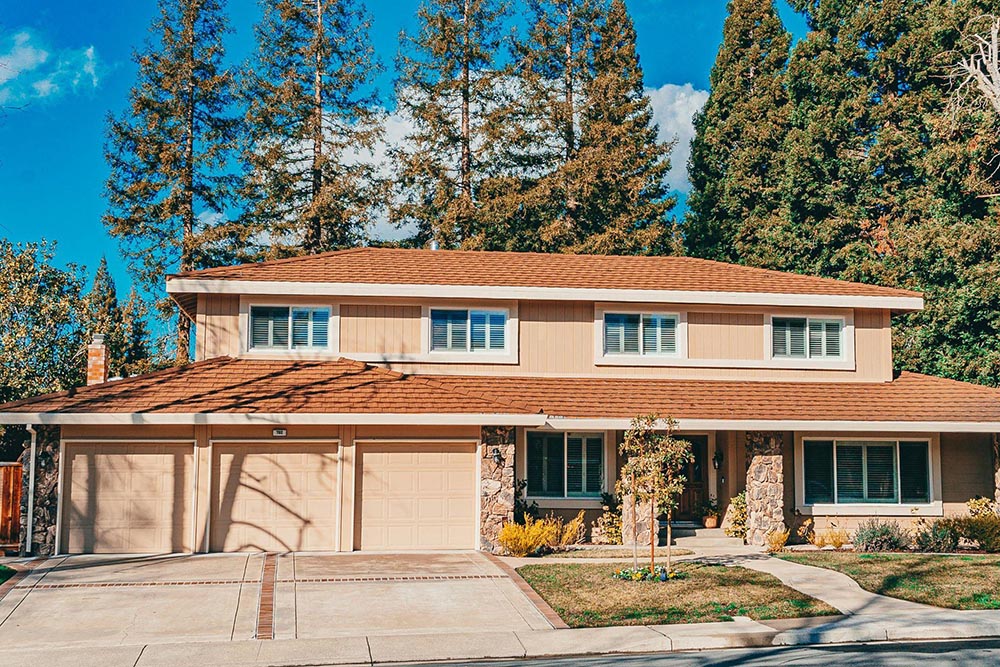
Weather can be hard on any home. One season may bring heavy rain, while another brings strong winds, heat, or hail. Over time, these conditions slowly wear down roofing, siding, windows, and other exterior features. Many homeowners do not notice the damage until repairs become expensive and stressful.
The good news is that a few smart upgrades can make a home much stronger against changing weather conditions. Weather-resistant improvements not only help protect your property, but they can also lower maintenance costs and improve comfort inside the home. Whether you are planning small upgrades or larger renovations, focusing on the exterior is one of the best ways to prepare your home for the future.
Upgrade Your Roof for Better Protection
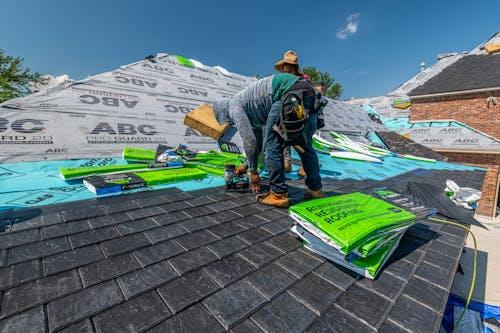
Your roof handles the most direct exposure to bad weather every single day. Rain, hail, heat, and strong winds can slowly weaken roofing materials and lead to leaks or structural problems. That is why upgrading your roof is one of the smartest investments you can make for weather resistance.
Impact-resistant shingles are a popular option because they are designed to handle hail and flying debris better than traditional shingles. Metal roofing is another durable choice that performs well during storms and lasts for many years with proper maintenance.
Regular roof inspections are just as important as the materials themselves. Small cracks or missing shingles can quickly turn into major water damage if ignored. In areas that experience severe storms, many homeowners also turn to professional storm damage restoration services after heavy weather causes roof leaks, flooding, or exterior damage.
Install Impact-Resistant Windows
Windows are one of the most vulnerable parts of a home during severe weather. Strong winds and flying debris can easily crack standard glass, leading to water intrusion and interior damage.
Impact-resistant windows provide better protection because they are made with stronger materials and multiple layers of glass. These windows are designed to stay intact even when struck by debris during storms. This helps reduce the chances of shattered glass inside the home.
Another advantage is energy efficiency. Many impact-resistant windows help keep indoor temperatures stable, which can lower heating and cooling costs throughout the year. They can also reduce outside noise, making the home quieter and more comfortable.
Homeowners should also check window frames and seals regularly. Even high-quality windows can allow moisture inside if seals become damaged over time.
Improve Your Home’s Siding
Siding does much more than improve curb appeal. It acts as a protective barrier against moisture, heat, wind, and debris. Old or damaged siding can allow water to enter the walls, which may lead to mold, rot, or insulation problems.
Fiber cement siding is one of the most durable options available. It handles moisture well and performs better against strong weather conditions than many traditional materials. Vinyl siding is another common choice because it is affordable, low-maintenance, and resistant to moisture.
Engineered wood siding offers a balance between appearance and durability. It provides the natural look of wood while resisting some of the common issues that affect traditional wood siding.
No matter which material you choose, proper installation is very important. Poor installation can create gaps where water enters the home during storms.
Strengthen Exterior Doors
Exterior doors protect your home from weather, moisture, and strong winds. Older wooden doors may warp or weaken over time, especially in areas with heavy humidity or frequent rain.
Steel and fiberglass doors are both strong choices for weather resistance. These materials handle moisture better and provide improved durability during storms. Reinforced frames and high-quality locks also add extra protection.
Weather stripping is another small upgrade that makes a big difference. It helps block drafts, moisture, and dirt from entering through small gaps around the door. Sealing these gaps can also improve indoor comfort and reduce energy waste.
Storm doors are another useful addition for homes in areas with harsh weather conditions. They provide an extra layer of protection while helping extend the life of the main exterior door.
Add Storm-Ready Landscaping Features
Landscaping can either help protect your home or create additional risks during storms. Large trees with weak branches can become dangerous during strong winds, while poor drainage can increase flooding around the property.
Regular tree trimming helps reduce the chances of falling branches damaging the roof or windows. Removing dead or unstable trees is another important safety step before storm season arrives.
Proper grading around the home helps direct water away from the foundation. Gravel beds, retaining walls, and drainage channels can also improve water control during heavy rainfall.
Choosing sturdy plants and ground cover can reduce soil erosion and help keep landscaping manageable after severe weather.
Consider Weather-Resistant Paint and Coatings
Exterior paint does more than improve appearance. It also protects surfaces from moisture, sunlight, and temperature changes. Over time, poor-quality paint may crack, peel, or fade, leaving surfaces exposed to damage.
Weather-resistant paint is designed to handle harsh outdoor conditions more effectively. Many modern paints include waterproof and UV-resistant features that help exterior surfaces last longer.
Protective coatings can also be applied to decks, fences, and masonry surfaces. These coatings help seal out moisture and reduce wear caused by sunlight and rain.
Homeowners should inspect painted surfaces regularly for signs of peeling or cracking. Repainting at the right time helps prevent more expensive repairs later.
Reinforce Outdoor Structures
Patios, fences, decks, and sheds are also exposed to changing weather throughout the year. Without proper maintenance, these structures can weaken over time and become unsafe.
Wood decks should be sealed regularly to protect against moisture damage and rot. Metal hardware should be rust-resistant to handle rain and humidity more effectively.
Fences and sheds should also be checked for loose connections or weak support areas before storm season. Anchoring outdoor structures properly can reduce the risk of wind damage during severe weather.
Protecting your home from harsh weather does not always require major renovations. Even smaller upgrades can make a noticeable difference over time. Stronger roofing, better drainage, durable siding, and impact-resistant windows all work together to improve safety and reduce long-term damage. By making thoughtful exterior improvements now, homeowners can feel more prepared for whatever weather comes next.