Introduction
Differentiated instruction acknowledges a fundamental truth about education: students learn in diverse ways and at different paces. This pedagogical approach requires teachers to modify content, process, products, and learning environments to meet individual student needs. Rather than delivering one-size-fits-all lessons, differentiated instruction recognizes and responds to student variance in readiness, interests, and learning profiles. When implemented effectively, differentiation ensures all students can access curriculum at appropriate challenge levels while working toward common learning goals. This approach transforms classrooms into dynamic learning communities where diversity is celebrated and every student can succeed.
Assessing Student Readiness and Needs
Effective differentiation begins with comprehensive assessment of student readiness, interests, and learning preferences. Pre-assessments reveal what students already know, preventing boredom for advanced learners and frustration for those needing additional support. Formative assessments throughout instruction provide ongoing feedback about student understanding, allowing teachers to adjust approaches in real-time. Learning style inventories help identify whether students learn best through visual, auditory, or kinesthetic modalities. Interest surveys reveal topics that motivate and engage individual students, allowing teachers to connect content to personal relevance. Readiness assessments go beyond academic skills to consider background knowledge, language proficiency, and cognitive development. By gathering this comprehensive data, educators can make informed decisions about how to structure learning experiences. The integration of tech tools enables efficient data collection and analysis, helping teachers identify patterns and group students strategically.
Differentiating Content and Process
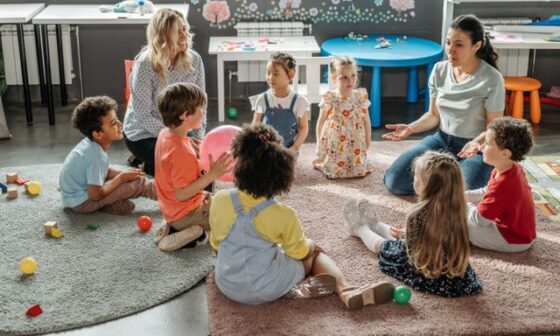
Content differentiation involves varying what students learn or how they access information. This might include providing texts at different reading levels, offering supplementary resources for students needing additional background knowledge, or presenting information through multiple modalities. Process differentiation focuses on how students make sense of content through varied activities and learning experiences. Some students might benefit from hands-on manipulatives while others prefer abstract reasoning. Flexible grouping allows students to work independently, in pairs, or in small groups based on task requirements and learning objectives. Tiered assignments provide different levels of complexity while addressing the same essential understandings. Learning stations or centers allow students to rotate through activities targeting different skills or intelligences. The key is maintaining high expectations for all students while providing appropriate scaffolding and support. Teachers must balance structure with flexibility, ensuring students have clear objectives while allowing multiple pathways to demonstrate understanding.
Creating Flexible Learning Environments
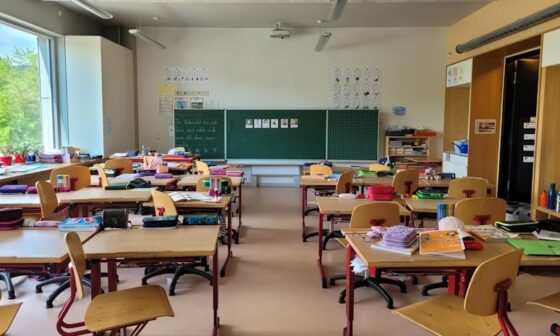
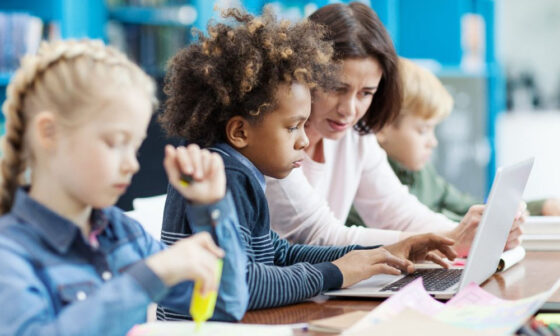
The physical and psychological classroom environment significantly impacts differentiated instruction success. Flexible seating arrangements accommodate different learning preferences, from quiet individual spaces to collaborative group areas. Classroom libraries with varied reading levels and genres ensure all students can find appropriate materials. Visual displays including anchor charts, word walls, and student work provide reference points and celebrate diverse achievements. Establishing clear routines and procedures allows students to work independently while teachers provide targeted small-group instruction. Creating a culture that values effort, growth, and diverse strengths helps students feel comfortable working at their appropriate challenge level without stigma. Technology integration expands differentiation possibilities through adaptive learning programs, digital resources at multiple levels, and tools that support diverse learning needs. When students understand that differentiation serves their individual growth rather than labeling their abilities, they become active participants in their learning journeys.
Differentiating Products and Assessment
Product differentiation allows students to demonstrate learning through varied formats aligned with their strengths and interests. While one student might write a traditional essay, another could create a video presentation, design an infographic, or develop a podcast. Providing choice boards or menus of options empowers students to select demonstration methods that showcase their understanding effectively. Assessment differentiation ensures evaluation methods match learning objectives while accommodating diverse needs. This might include oral assessments for students with writing challenges, extended time for those who process information more slowly, or alternative formats for English language learners. Rubrics with clear criteria help students understand expectations while allowing flexibility in how they meet them. Self-assessment and reflection opportunities encourage metacognition and student ownership of learning. The goal is measuring what students know and can do rather than how quickly they complete tasks or whether they fit a predetermined mold.
Conclusion
Differentiated instruction represents a commitment to educational equity, ensuring all students receive what they need to succeed rather than identical treatment. By assessing student needs, varying content and process, creating flexible environments, and differentiating products, educators can reach every learner in their classrooms. While differentiation requires significant planning and ongoing adjustment, the results—engaged students working at appropriate challenge levels and achieving their potential—make the effort worthwhile. As classrooms become increasingly diverse, differentiated instruction evolves from an optional strategy to an essential practice for effective teaching.