Understanding the Strategic Value of Technology Reliability
Reliable technology management is essential for organizations that depend on digital systems to support operations, communication, and long term growth. Executives must understand how technology reliability influences productivity, customer satisfaction, and overall business performance. When systems fail, even briefly, the impact can ripple across departments and disrupt critical workflows. This makes reliability a strategic priority rather than a technical detail. Leaders must evaluate how well their systems support organizational goals and whether current processes can withstand unexpected challenges. A strong reliability strategy also requires clear communication between technical teams and decision makers. When executives understand the strategic value of reliability, they can make informed decisions that strengthen the entire organization.
Building Infrastructure That Supports Organizational Stability
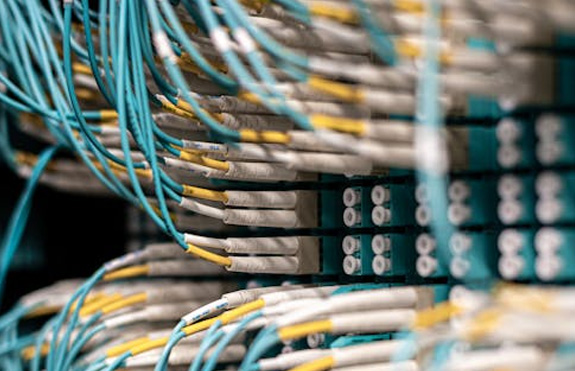
A reliable technology environment begins with infrastructure designed to support stability, scalability, and long term performance. This includes selecting hardware and software that meet operational demands, configuring networks for speed and security, and ensuring that systems can grow as the organization expands. Engineers must evaluate how each component interacts with the broader environment to prevent bottlenecks and vulnerabilities. Redundancy is a key part of reliable infrastructure, allowing systems to continue functioning even when individual components fail. Regular performance assessments help identify areas that require improvement before they become disruptive. When infrastructure is built with reliability in mind, organizations can maintain consistent operations and support future growth. This foundation is essential for long term stability.
Strengthening Security as a Core Reliability Principle
Security is inseparable from reliability, as even the most advanced systems can fail if they are vulnerable to threats. Executives must ensure that security is integrated into every layer of technology management, from network architecture to employee training. Strong authentication methods, encryption protocols, and access controls help protect sensitive information. Regular security audits identify weaknesses that could compromise system reliability. Monitoring tools provide real time insights into unusual activity, allowing teams to respond quickly to potential threats. A secure environment reduces the risk of downtime caused by breaches or system failures. When security is treated as a core reliability principle, organizations can maintain operational continuity and protect their most valuable assets.
Enhancing Efficiency Through Smart Technology Processes
Efficient processes are essential for maintaining reliable technology systems. Organizations must establish clear procedures for updates, maintenance, and incident response to ensure that systems remain stable. Automation can help manage routine tasks such as backups, monitoring, and patching, reducing the risk of human error. Documentation provides teams with the information they need to manage systems consistently and effectively. Performance monitoring tools help identify trends that may indicate future issues, allowing teams to take action before disruptions occur. When processes are streamlined and aligned with organizational goals, reliability becomes easier to maintain. Efficient operations support productivity and help organizations stay competitive in a rapidly evolving digital landscape.
The Role of Application Development Services in Reliability
A key part of modern technology management involves the use of application development services, which help organizations build software solutions that support reliability and long term performance. Custom applications can be designed to integrate seamlessly with existing systems, reducing compatibility issues and improving workflow efficiency. Development teams also ensure that applications are built with strong security features, reducing the risk of vulnerabilities that could disrupt operations. Regular updates and maintenance help keep applications stable and responsive as business needs evolve. When organizations invest in high quality development services, they gain tools that support reliability across every department. These solutions strengthen the overall technology environment and contribute to long term success.
Conclusion
Reliable technology management is essential for organizations that want to maintain stability, support growth, and deliver consistent results. By focusing on strong infrastructure, integrated security, efficient processes, and strategic development, executives can build environments that support long term success. Reliability is not achieved through isolated efforts but through a comprehensive approach that aligns technology with organizational goals. As digital systems continue to evolve, leaders who prioritize reliability will be better positioned to adapt and thrive. A strong technology foundation supports better business outcomes and long term resilience.