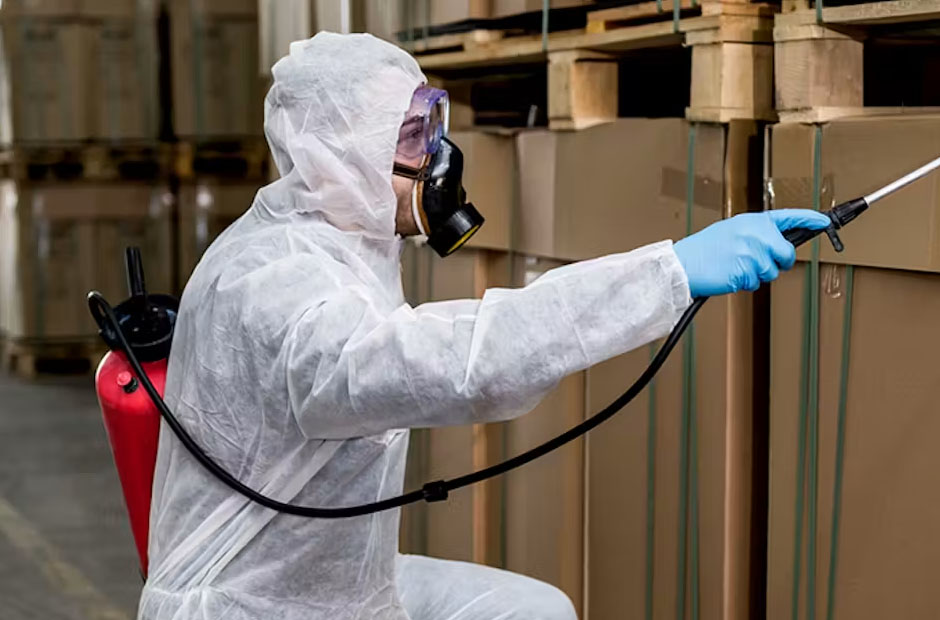
I spent the better part of a decade managing field operations for a regional pest control company. Every month-end review left me asking where the chemicals go. I don’t mean theft, since no one was stealing drums of chemicals from the truck. A little too much was used on one job, and half a bottle was written off on another. A treatment was recorded on paper and never matched what left the warehouse. The trail had gone cold when the numbers reached my desk. This frustration pushed me to take pest control management software seriously, and I want to share what I learned in the hope it spares someone else the same headache.
The Problem Nobody Wants to Admit
Most operators I have spoken with recognize the symptom but underestimate the cost. Specialized chemical formulations are not cheap. The gap between what is consumed and what is written off becomes an unexamined expense when usage is tracked on clipboards and memory. For many pest control companies, accurate tracking and documentation are essential for controlling costs, improving operational efficiency, and maintaining compliance. In a U.S. market valued at $24.9 billion as of 2023, according to PestPac, even small per-job inefficiencies can pile up into serious money by season’s end. What made it worse was that the same blind spot exposed us on two fronts at once:
- Financial loss. Untracked overapplication and waste inflated our cost of goods on every route.
- Compliance risk. When an inspector asked for proof of what product was applied, in what quantity, and where, reconstructing it from paper logs was slow and nerve-wracking.
What Changed for Me
The turning point was moving chemical logging out of the back office and into the field, captured at the moment of application. Planado proved useful in my view. Its built-in catalog let technicians record the exact products and quantities used within each job, so consumption was tied to a specific site and treatment automatically. A few capabilities stood out to me as especially practical:
- Material logging within the job. Every product used was recorded against the visit and rolled into the report without manual tallying, closing the gap between warehouse stock and field reality.
- Photo reports and customizable fields. Technicians documented conditions and completed work with images, giving me verifiable evidence.
- Job history tied to each property. Past treatments and product usage stayed attached to the site, so the next technician arrived informed, and our records told a coherent story.
My Honest Assessment
No software erases every inefficiency, and adoption takes a couple of weeks before technicians stop reaching for old habits. But the clarity I gained was worth the adjustment. For the first time, I could see consumption patterns by route and by technician, and identify where a particular product was disappearing faster than the work justified. I walk into an audit with documentation already in order.
The deeper lesson, looking back, is that “where did the chemicals go?” was a visibility question. The product was leaving in ordinary ways that no amount of nagging could fix, because the system itself made accurate tracking nearly impossible.
If you run a pest control operation and that month-end mystery sounds familiar, fix is capturing usage where and when it happens. Once you do, the question won’t be where the chemicals went but how much you were losing all along.