The Split Second You Cannot Rewind
You are cruising along, eyes steady, music soft. Then the moment snaps. A car drifts into your lane, a bike darts from the blind spot, a brake light blazes. Your pulse spikes. In seconds, details vanish. You are left with questions that matter to your safety, your wallet, and your peace of mind.
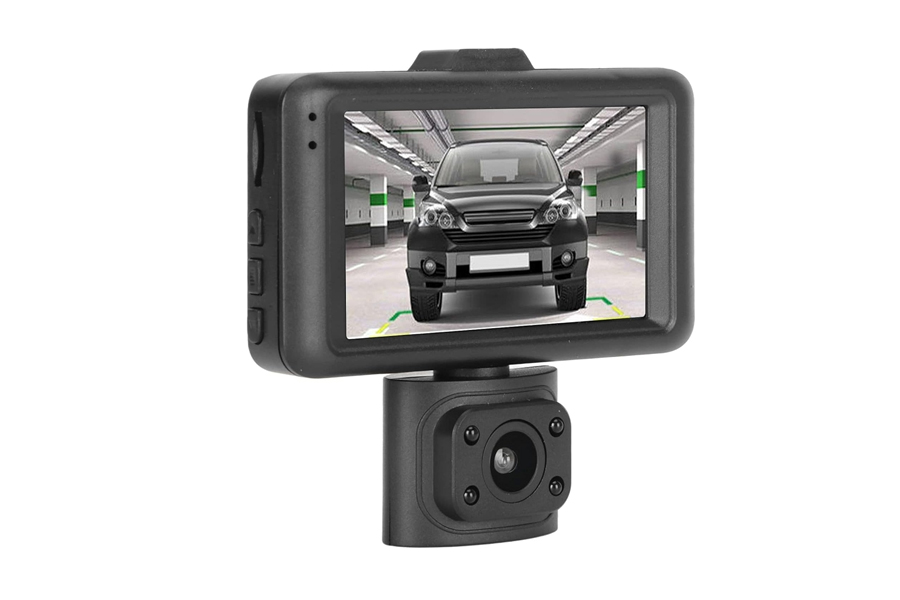
A 3 channel dash cam turns that blur into clarity. It records the front, the rear, and the interior cabin at the same time. Three perspectives. One synchronized truth. Think of it as a quiet witness riding along, collecting facts while you focus on driving.
Why Three Cameras Beat One
Traditional single lens cameras give you a narrow slice of the story. A 3 channel system captures the entire scene. Front footage shows what you approached and how you reacted. The rear camera documents tailgating, sudden impacts, and hit and run events. The interior lens observes driver behavior, passenger interactions, and the environment inside the cabin.
Together, these views create a reliable timeline. There is less guesswork, fewer blind spots, and stronger evidence when you need it most. Daily commuters, families, professional drivers, and fleet managers all benefit from this panoramic coverage.
Evidence That Holds Up
After a collision, memories collide with opinions. Video does not. A 3 channel dash cam preserves:
- Who initiated contact and from which direction
- What unfolded behind your vehicle in the seconds before impact
- Driver inputs and behavior inside the cabin
- The chain of events leading to and following the incident
This multi angle record simplifies insurance claims and police reports. It helps protect you from false accusations and staged incidents. When fault is contested, clear footage can be the difference between a long dispute and a swift resolution.
Rear Coverage That Closes the Gap
Rear end collisions are common and costly. Without a rear camera, the most important angle can be missing. With one, you capture tailgaters, sudden stops, and sideswipes in parking lots. If someone nudges your bumper and leaves, you have their behavior and movements on file.
Parking impacts are especially tricky. The right system watches for motion and vibrations, records the event, and saves the clip automatically. Even if you return to your vehicle after hours, the record is waiting.
Made for Professional Drivers
Rideshare, taxi, and delivery drivers face unique risks. An interior camera documents the cabin objectively. It deters misconduct, clarifies disputes, and provides a record if claims arise. The front and rear lenses add context outside the vehicle, which is essential in dense traffic and busy curbside zones.
For fleet owners, multi channel footage lowers liability by showing how vehicles are operated and where incidents occur. It also helps train drivers using real examples captured on the road.
Clear Footage Day and Night
Many modern dash cams use sensors tuned for low light. They reduce noise in dark scenes and lock onto details like plates and lane markings. Night drives on rural roads, dim parking garages, rainy commutes, and foggy mornings come through with usable clarity.
HDR processing can flatten bright headlights and lift shadow detail to keep the scene readable. Wide dynamic range settings handle high contrast conditions, such as tunnel exits and city streets lined with sunshine and shade.
Smart Alerts That Nudge Safer Habits
Some 3 channel models add driver assistance features. Lane departure warnings call out drifting without turn signals. Forward collision alerts help you react if traffic ahead slows abruptly. Speed monitoring and GPS logging connect your location, time, and pace into a route record.
Parents can use this data to check teen driving habits. Fleet managers can verify adherence to routes and speed limits. Independent drivers gain a personal dashboard of their journey, a useful tool for improving awareness and managing risk.
Protection When Parked
Parking mode safeguards your vehicle when you step away. Motion detection watches the scene around the car. Impact detection listens for bumps and jolts. When the system senses activity, it wakes, records, and saves the relevant clip. Some setups mark the recording so you can find it quickly later.
The benefit is simple. Your car is guarded at the grocery store, on the street overnight, at work, and wherever you leave it. Even small scratches and attempted break ins are documented.
Practical Scenarios That Show the Value
Consider a busy merge where a driver squeezes in and clips your front bumper. The front camera catches the cut. The rear camera shows the space behind you and whether braking room existed. The interior camera records your hands and mirrors, confirming you were engaged and attentive.
Picture a parking lot tap that leaves a crease. The rear camera sees the contact, while parking mode starts a clip as soon as the impact is detected. If the other driver pulls away, you have their direction of travel and behavior at the scene.
Imagine a late night rideshare shift. A passenger disputes a fare and claims harassment. The interior footage provides context, tone, and timestamps. The front and rear lenses record the route, traffic conditions, and stops. The result is a layered truth that stands up to scrutiny.
FAQ
What is a 3 channel dash cam?
A 3 channel dash cam is a system with three separate lenses that record simultaneously. One lens faces forward through the windshield, one faces the interior cabin, and one faces the rear of the vehicle. The three feeds combine to provide comprehensive coverage of your drive and surroundings.
Do I need interior recording if I am not a rideshare driver?
Interior video is helpful for more than rideshare. It documents driver behavior, distraction, and reactions during critical moments. It can also capture theft attempts or vandalism if someone reaches into the cabin. Families may appreciate a record of teen driving. Solo commuters gain an objective view of their actions in complex situations.
How does parking mode work?
Parking mode uses motion or impact sensors to trigger recording when the vehicle is off. When the camera detects movement near the car or a jolt to the body, it starts a short clip and saves it. This allows you to review events that happen while you are away without hours of idle footage.
Will a 3 channel dash cam drain my battery?
Most systems are designed to protect the vehicle battery. Hardwire kits often include low voltage cutoffs that shut the camera down before the battery drops too far. If you park for extended periods, you can use an external battery pack or adjust sensitivity so the system wakes only for meaningful events.
Is the footage admissible for insurance claims?
Insurers commonly accept dash cam footage in claim reviews. It helps establish the timeline and actions of each party. While rules vary by region, clear video with timestamps usually strengthens your case by removing ambiguity.
How is night vision different from regular video?
Night vision in dash cams relies on sensor sensitivity, wide aperture lenses, and image processing tuned for low light. These features reduce grain, balance highlights, and reveal details in shadows. The result is footage that remains usable even in dim environments.
Do these devices record audio?
Many dash cams can record audio inside the cabin. Audio provides context for interactions and can support your account of events. If privacy is a concern, most models allow you to toggle audio on or off or use it only in specific modes.
Where should the cameras be placed?
The front camera is usually mounted high on the windshield near the rearview mirror. The cabin can be clearly captured by integrating or mounting the internal lens. The rear camera is frequently mounted high on the rear windshield for optimum visibility. Proper positioning reduces clutter and glare.
Can I use a 3 channel dash cam in harsh weather?
Quality systems are built to handle heat, cold, and humidity encountered in vehicles. Placement away from direct sunlight, regular lens cleaning, and cable routing that avoids pinches or moisture help maintain reliability. If you live in extreme climates, check the operating temperature range and consider models with robust housings.
How much storage do I need?
The more channels you record, the more storage you need. A high capacity microSD card helps ensure continuous coverage without constant overwriting. Many systems use loop recording, which replaces the oldest files first while protecting emergency clips. Choose a card size and speed rating that matches the resolution and frame rate you prefer.