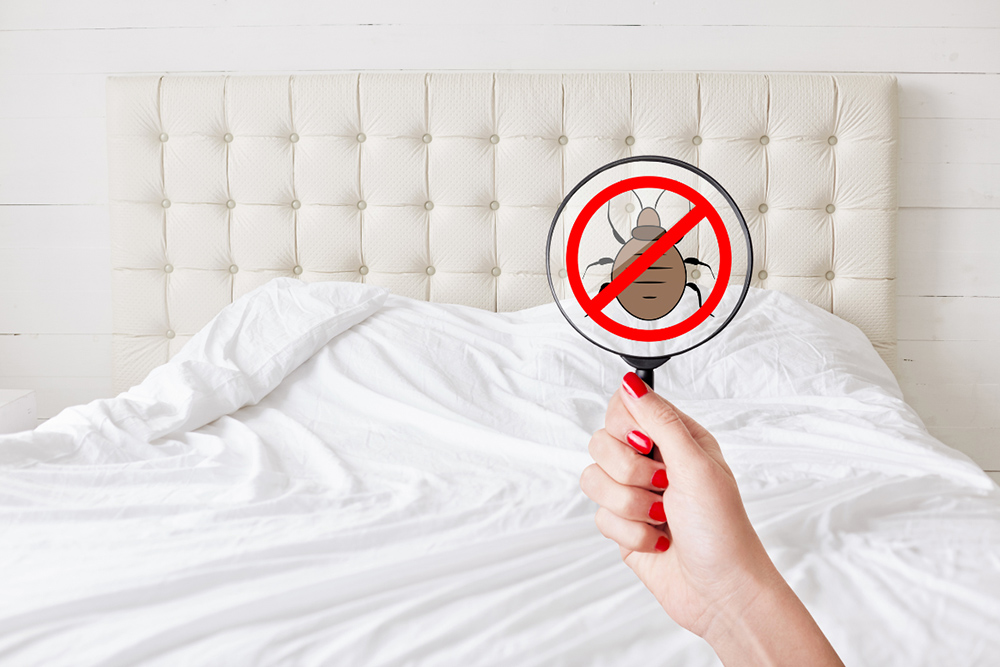
Bed bugs are among the most difficult pests to eradicate from a home. They are silent, hard to spot at first glance, and the problem is often noticed only after bites appear, blood spots stain the bedding, or a distinct odor fills the room. Because they hide so well and reproduce rapidly, choosing an effective solution to get rid of bed bugs becomes essential at the very first signs of an infestation.
Unlike other pests, bed bugs do not appear due to a lack of cleanliness. They can be found in immaculate spaces just as easily as in poorly maintained areas. They are usually brought into the home via luggage, clothing, second-hand furniture, or even after a brief visit to an infested location. Hotels, guesthouses, hospitals, trains, movie theaters, libraries, and rental apartments are just a few of the places from which they can be transported inadvertently. Therefore, when they do appear, it should not be seen as a sign of neglect, but as a real issue requiring immediate action.
Why are bed bugs so persistent?
Bed bugs go through several developmental stages, from egg to nymph and finally to adult. After hatching, nymphs require a blood meal to progress from one stage to the next, and high temperatures significantly accelerate their development. During the warm season, at temperatures above 26-27°C, they can reach maturity in a very short time, explaining why more infestations occur during summer and early autumn. However, they are not strictly seasonal pests. If indoor conditions are favorable, they can thrive year-round.
Another reason they are so difficult to eliminate is their resilience. They can survive for months without feeding, meaning they can remain dormant in an unoccupied apartment and reappear when the space is inhabited again. Additionally, an adult female can lay numerous eggs over her lifespan, turning a minor infestation into a severe problem in a surprisingly short window.
This is where a well-chosen, properly applied solution comes into play; a simple cleaning or a superficial over-the-counter spray is rarely enough to get rid of bed bugs.
Where bed bugs hide
Bed bugs prefer dark, secluded areas as close to their food source as possible. This means they primarily nest around the bed or couch. They hide in mattress seams, bed frame joints, behind headboards, in wood crevices, behind baseboards, inside nightstands, in armchairs, behind picture frames, and occasionally in tiny cracks in hardwood flooring.
Their flattened bodies allow them to squeeze into incredibly narrow spaces, making them almost impossible to detect during a casual inspection. They generally avoid cold, glossy surfaces like metal or glass, preferring fabrics and wood instead. For this reason, the bedroom is almost always the primary target area.
When looking to get rid of bed bugs, you must account for this behavior. Eradication should not be attempted randomly throughout the entire house, but targeted specifically at the zones where they hide and travel.
Signs that indicate an infestation
In most cases, the first noticed sign is the bites. These often appear in clusters or lines of three – frequently referred to as “breakfast, lunch, and dinner” – on areas where the skin is thinner, such as the arms, thighs, back, or neck. However, bites alone are not enough to confirm an infestation, as they can easily be mistaken for other insect bites.
Other key indicators include:
- Small dark brown spots (bed bug fecal matter)
- Faint blood stains on sheets or mattresses
- Live or dead insects inside seams and joints
- Eggs or shed skins (exuviae) in hidden spots
- A slightly pungent, musty sweet odor in larger infestations
At the first sign of these clues, inspection and treatment should begin immediately. The longer the problem is left unaddressed, the more treatments will be required.
How liquid insecticide treatments work
Liquid insecticide treatments are typically applied via spraying and represent one of the most widely used eradication methods. The chemical treatment is designed to directly contact active insects while leaving a residual barrier on treated surfaces to eliminate bed bugs emerging from their hiding spots later on.
Spraying must be done meticulously using a fine nozzle so that the solution penetrates deep into cracks and crevices without oversaturating the surfaces. Coarse spraying offers poorer penetration and carries a higher risk of damaging furniture or textiles.
The treatment should be thoroughly applied to:
- The bed frame and all of its joints
- Mattress seams and edges (if signs of infestation are present)
- Behind the headboard
- On and behind furniture surrounding the bed
- Along baseboards and within flooring cracks
- Behind picture frames or other decorative items near the bed
- Couches, armchairs, and other upholstered furniture, focusing heavily on hidden areas
If the mattress is only infested on the surface, a chemical treatment can help. However, if bed bugs have penetrated deep into its core, spraying may not suffice, and thermal (heat) treatment should be considered.
Why a single treatment is not enough
This is one of the most crucial realities of pest control. Even the best approach to get rid of bed bugs rarely resolves the problem in a single visit. The reason is simple: bed bug eggs are highly resistant to insecticides, and new nymphs will hatch a few days later. Because of this, treatments must be repeated at intervals of approximately 7 to 10 days.
Depending on the severity of the infestation, 2, 3, or even 4 interventions may be required. Severe, long-standing infestations often demand multiple structural applications. This is why promises of “getting rid of them forever in just one treatment” only sound good in advertisements. In reality, bed bug eradication is a process, not a one-day fix.
If the insect count drops and dead bugs are found after each intervention, it means the treatment is working and the population is being systematically brought down.
Spraying and Fogging: A more powerful combination
In many scenarios, residual spray treatments are complemented by Ultra-Low Volume (ULV) cold fogging. After the liquid insecticide is applied to surfaces, the fine mist reaches inaccessible voids and helps distribute the active ingredients evenly throughout the room. Additionally, fogging delivers a “flush-out” effect, driving bed bugs out of their harborages and forcing them into contact with the previously deposited residual insecticide.
Following treatment, the room must remain sealed for several hours and then be thoroughly ventilated before use. Adhering strictly to this process ensures the intervention is both safe and effective. If you do not have access to a professional ULV fogger, aerosol total release foggers or insect smoke bombs can serve as alternative options.
Post-treatment cleanup and the role of vacuuming
After each treatment, it is highly recommended to vacuum the area thoroughly, focusing on spots where nests or signs of activity were discovered. Vacuuming helps remove dead insects and physically reduces the number of remaining eggs.
The vacuum bag or canister contents must be discarded immediately into a tightly sealed trash bag outdoors to eliminate the risk of transferring the infestation to another room. Clutter should also be minimized as much as possible; having numerous items around the bed provides bed bugs with dozens of extra hiding places.
From the first treatment to complete eradication
Choosing an effective strategy to get rid of bed bugs requires more than just buying an insecticide; it requires understanding how these pests live and hide. Bed bugs multiply quickly, survive for long periods without a meal, and can escalate a minor issue into a severe infestation if treatment is delayed.
Liquid insecticides applied via targeted spraying – and supplemented by fogging when necessary – remain one of the most reliable and effective methods of pest control. Success depends not only on the product itself, but on its precise application, timely follow-up treatments, and a meticulous inspection of every square inch around the sleeping area.
Ultimately, a quality bed bug solution must be part of a comprehensive, careful, and repeated treatment plan rather than a rushed fix. When executed correctly, it will successfully clear the infestation and restore the peace of mind that bed bugs quietly steal away night after night.