Key Takeaways
- Regular plumbing inspections help detect issues early and prevent costly repairs.
- Proper waste disposal keeps drains clear and reduces the risk of clogs and backups.
- Monitoring water pressure protects pipes, fixtures, and appliances from damage.
- Preventive measures, such as pipe insulation, help avoid frozen pipes during cold weather.
- Routine water heater maintenance improves efficiency and extends its lifespan.
- Promptly repairing leaks prevents water waste and potential property damage.
- Knowing when to contact a professional plumber ensures complex issues are handled safely.
- Seasonal maintenance and fixture upgrades can improve long-term plumbing performance.
Maintaining a well-functioning plumbing system is crucial for homeowners in Springdale, Arkansas. The region’s unique climate and local conditions can pose specific challenges, making proactive maintenance essential. For expert assistance, consider contacting a plumber in Springdale, AR. Trade Pro Plumbing, located at 13465 Puppy Creek Rd, Springdale, AR, offers a comprehensive range of services, including residential and commercial plumbing, water filtration systems, leak detection, and more. Their team of licensed professionals is dedicated to providing prompt, reliable service with superior artistry, ensuring your home’s plumbing operates smoothly.
1. Regular Inspections
Conducting routine checks on your plumbing system helps identify potential issues before they escalate. Look for signs of leaks, corrosion, or wear in pipes, faucets, and fixtures. Early detection can prevent costly repairs and water damage.
Inspections should not be limited solely to visible pipes or fixtures. Check under sinks, around toilets, and near your water heater. Listen for the sound of running water even when fixtures are off, which may indicate a hidden leak within walls or floors. Over time, even a slow, undetected leak can cause extensive water damage and promote mold growth. For older homes, it is wise to schedule an annual professional plumbing inspection, as aging pipes and fixtures are more susceptible to failure.
2. Proper Waste Disposal
Be mindful of what goes down your drains. Avoid disposing of fats, oils, and grease in sinks, as they can solidify and cause blockages. Instead, collect these substances in a container and dispose of them in the trash. This practice helps keep pipes clear and prevents sewer backups. Additionally, never flush non-biodegradable items such as wipes, feminine hygiene products, or cotton swabs down the toilet. These materials do not break down easily and can quickly clog the sewer line. Simple drain strainers can be effective in trapping hair and food particles before they enter your pipes, further reducing the risk of blockages. Educate all household members about safe waste disposal to minimize plumbing emergencies.
3. Monitor Water Pressure
High water pressure can strain your plumbing system, leading to leaks or pipe damage. Use a pressure gauge to ensure your home’s water pressure stays within the recommended range of 40-60 psi. If it’s too high, consider installing a pressure regulator.
Low water pressure can also signal hidden plumbing issues such as pipe obstructions, mineral buildup, or small leaks. Pay attention to changes in water pressure, as they might indicate a developing problem. If you notice a decrease in pressure across multiple fixtures, have your plumbing system assessed to ensure that nothing is restricting flow.
4. Prevent Frozen Pipes
Springdale’s winters can bring sudden temperature drops, increasing the risk of frozen pipes. To prevent this:
- Insulate exposed pipes, especially those in unheated areas like basements or crawl spaces.
- Keep your home heated to at least 55°F, even when you’re away.
- Allow faucets to drip slightly during extreme cold to keep water moving.
Taking these steps can help avoid the inconvenience and expense of burst pipes.
Additionally, disconnect outdoor hoses and shut off the water supply to exterior spigots before winter arrives. Leaving hoses attached can cause water to freeze and back up into your plumbing, leading to split pipes. If you plan to leave your home for more than a few days in winter, ask someone to check in periodically to ensure the heating system is working and that the pipes are not at risk.
5. Maintain Your Water Heater
Regular maintenance of your water heater ensures efficient operation and longevity. Drain and flush the tank annually to remove sediment buildup, which can affect performance. Also, check the anode rod and replace it if necessary to prevent corrosion. If you notice water discoloration, strange noises, or reduced hot water supply, it may indicate that your water heater needs attention. A well-maintained heater not only conserves energy but also prolongs the appliance’s lifespan. Consider insulating the hot-water pipes running from your heater to reduce heat loss and further lower your utility bills. For tankless water heaters, regular descaling helps prevent mineral buildup that can affect efficiency.
6. Address Leaks Promptly
Even minor leaks can lead to significant water waste and damage over time. If you notice dripping faucets, running toilets, or unexplained water spots, address them immediately. Prompt repairs can save water and prevent more extensive issues. Be aware of higher-than-normal water bills, which can sometimes be the first indicator of a hidden leak. Simple tests, such as adding food coloring to the toilet tank to see if it seeps into the bowl without flushing, can help detect slow leaks. The Environmental Protection Agency estimates that the average household wastes nearly 10,000 gallons of water annually due to leaks. By acting quickly, you not only conserve water but also prevent structural damage and mold growth.
7. Know When to Call a Professional
While some plumbing tasks are suitable for DIY, others require professional expertise. For complex issues like sewer line problems, major leaks, or water heater malfunctions, it’s best to consult a licensed plumber. In Springdale, homeowners can rely on experienced professionals to handle such challenges effectively. Attempting to repair major plumbing problems without proper training or tools can often lead to further damage and more expensive repairs down the line. Professional plumbers utilize advanced diagnostic equipment, such as video inspection cameras and leak detection devices, to accurately pinpoint issues. In emergencies, a reputable plumber can mitigate damage and restore service quickly, protecting your investment and peace of mind.
8. Seasonal Maintenance Tips
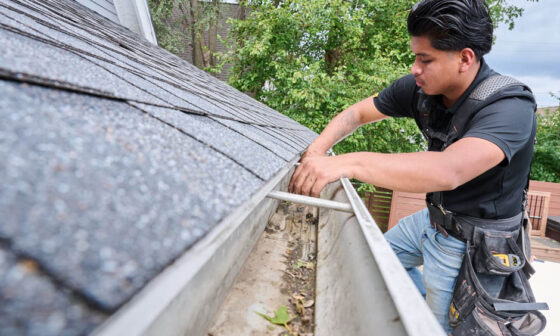
Springdale’s seasonal shifts mean specific plumbing maintenance tasks should be considered year-round. In spring and summer, check outdoor faucets, sprinkler systems, and hoses for leaks or damage after winter weather. In the fall, clear gutters and downspouts to direct water away from your home’s foundation and reduce the chance of basement water issues. Schedule seasonal plumbing system checks to address any vulnerabilities before extreme weather sets in.
9. Consider Upgrading Older Plumbing Fixtures
Modern plumbing fixtures are designed to conserve water and energy, helping you save on utility costs while benefiting the environment. If your home has older toilets, faucets, or showerheads, upgrading to low-flow models can significantly reduce water usage without sacrificing performance. Additionally, contemporary materials such as PEX or CPVC piping are less prone to corrosion and are often more durable than traditional pipes. A professional plumber can recommend and install suitable upgrades based on your home’s specific needs. By following these tips, you can maintain a healthy plumbing system and avoid unexpected disruptions. Remember, proactive care and timely interventions are key to keeping your home’s plumbing in optimal condition. Establishing a relationship with a trusted local plumber ensures you have expert advice and dependable help whenever you need it, giving you peace of mind year-round.
Conclusion
Maintaining your plumbing system in Springdale, AR, requires consistent attention, preventive care, and timely action. Regular inspections, proper maintenance habits, and seasonal preparations can help homeowners avoid unexpected breakdowns, costly repairs, and water damage. Simple steps such as protecting pipes from freezing, monitoring water pressure, maintaining water heaters, and addressing leaks early can significantly improve your system’s efficiency and lifespan. While many maintenance tasks can be handled by homeowners, partnering with a trusted plumbing professional ensures complex issues are properly diagnosed and resolved. By taking a proactive approach and investing in routine care, you can keep your plumbing system reliable, efficient, and prepared for the challenges of every season. A well-maintained plumbing system not only protects your home but also provides long-term comfort and peace of mind.