As commercial and industrial properties face increasingly sophisticated security threats, the choice of fencing is pivotal in protecting assets and ensuring uninterrupted operations. Modern fencing solutions are more than simple barriers; they reflect evolving needs for safety, aesthetics, and even environmental stewardship. For those exploring options in industrial fences, understanding the latest trends and considerations is essential in making the right choice. Today’s fencing solutions go beyond robust materials. They blend technology for seamless access and monitoring, adhere to rigorous safety standards, and even align with corporate branding objectives. Decision makers must weigh durability, regulatory requirements, and long-term costs when choosing their ideal fencing system. From integrating automated gates to using sustainable materials, business owners have unprecedented flexibility. Each innovation in this sector aims to balance protection, operational efficiency, and sustainability, which is crucial as companies strive to meet corporate social responsibility goals and ensure safety for employees and visitors alike. To help property managers and facilities teams make informed decisions, this article offers a deep dive into current industry practices and recommendations, revealing how smart security measures and modern materials can address both practical and brand-driven considerations.
Emerging Trends in Commercial Fencing
The commercial fencing landscape is adapting to challenges such as rising theft and trespassing, as well as increased demand for operational efficiency. Cutting-edge access control features, such as automated gates with keypads, smart card readers, and biometric access points, streamline entry protocols for employees and deliveries. In addition, robust connectivity between fences, video surveillance, and sensors has redefined the perimeter from a passive to an active part of security infrastructure. New materials like powder-coated steel, corrosion-resistant aluminum, and composite hybrids deliver not only protection but also weather endurance and a modern appearance. More companies are opting for sustainable fencing sourced from eco-conscious suppliers, reflecting a growing commitment to environmental responsibility.
Safety Considerations for Industrial Fences
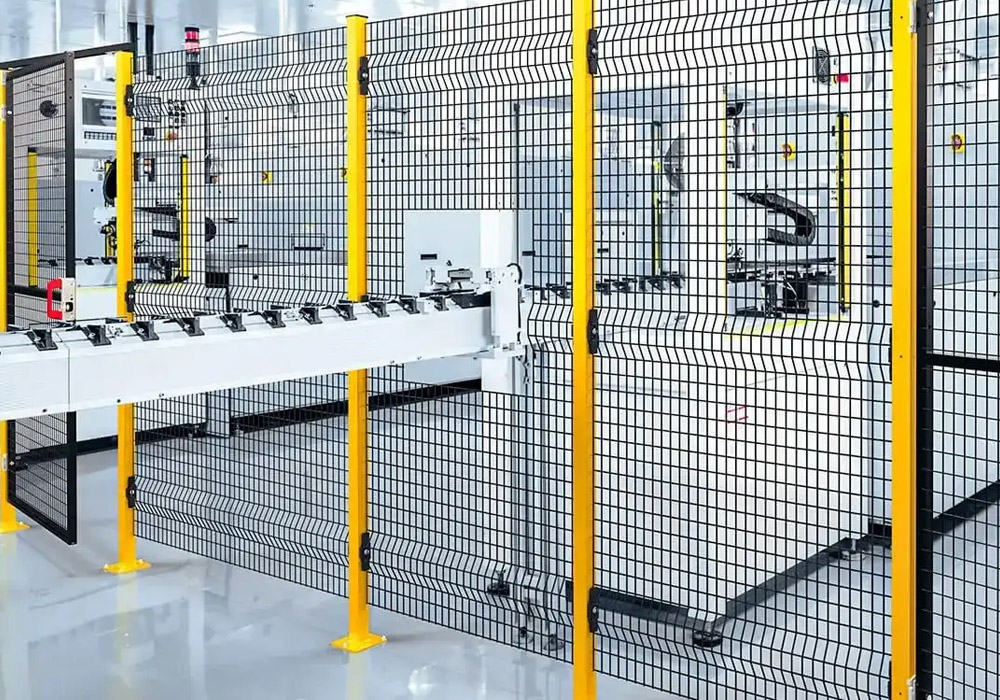
In manufacturing and industrial environments, an effective fencing system is often the first and most visible line of defense. Beyond controlling access, a well-installed fence establishes clear perimeters to channel vehicle and pedestrian traffic, significantly reducing the risk of onsite incidents. Adherence to local ordinances and workplace safety standards is essential, ensuring not only legal compliance but also preventing costly shutdowns or fines.
Material durability cannot be overlooked. Industrial fences face continuous stress, from heavy traffic, exposure to chemicals, and variable weather conditions. Selecting high-grade materials and finishes ensures the fence will serve reliably for years and withstand operational demands without frequent repairs.
Choosing the Right Materials
Every property’s requirements are unique and should inform material selection. Chain link fencing remains popular for covering large perimeters due to its affordability and versatility, offering enhanced security with additions such as barbed wire or privacy slats. For high-security settings, steel palisade fencing’s imposing design deters intruders through sheer presence and resilience. Aluminum fencing is favored for facilities in coastal or corrosive environments where rust can be a concern. Meanwhile, vinyl privacy fencing suits locations that prioritize clean aesthetics and low ongoing maintenance. The long-term performance and suitability of each material depend on both security objectives and the local environment.
Integrating Technology for Enhanced Security
Modern security solutions extend well beyond physical barriers. Automated gates equipped with remote control or wireless badge systems enhance entry convenience while maintaining strict oversight. Surveillance systems, when integrated with fencing infrastructure, provide real-time monitoring, with cameras capturing every approach and exit. Motion sensors augment passive security by immediately alerting personnel to unusual activity, further reducing response times. Smart technology not only enhances monitoring but also provides valuable insights into traffic patterns, helping businesses improve logistics and security protocols.
Cost-Effective Solutions for Large Properties
Expansive industrial and commercial sites often face budget constraints when planning security enhancements. Chain link fences are favored for their cost-efficiency, with upgrades like barbed wire and mesh screens available to increase protection without a major cost surge. Modular fencing systems can also help businesses scale solutions over time, allowing phased implementation as budgets allow. Companies should carefully calculate the total cost of ownership, including installation, expected maintenance, and potential repairs, to maximize their security investment.
Aesthetic Appeal and Branding
Fencing can make a powerful first impression, contributing to a property’s visible brand identity. Ornamental aluminum or steel options combine robust protection with a sophisticated look, and can be powder-coated to match company colors or logos. Custom fencing designs can reinforce corporate branding and make facilities feel more welcoming or prestigious, helping to attract clients and visitors while deterring unwanted access.
Sustainability and Eco-Friendly Options
Growth in green building initiatives and a focus on environmental stewardship have driven demand for fences made from recycled materials or FSC-certified wood. These sustainable fencing options reduce landfill waste and minimize ecological impact throughout their lifecycle. Furthermore, durable choices that resist weathering and degradation contribute to sustainability by reducing the frequency of replacement and maintenance, lowering a facility’s environmental footprint over time.
Conclusion
Choosing the right commercial or industrial fencing means balancing a variety of factors: physical security, compliance with safety codes, integration of advanced technologies, cost control, aesthetic enhancement, and environmental responsibility. By staying informed about materials innovation, security integration, and sustainability trends, companies can select solutions that protect assets and people while reinforcing business values. Modern fencing is now a crucial asset in any robust risk management and facility optimization strategy. A well-designed fencing system can improve operational efficiency, reduce security concerns, and provide long-term durability in demanding environments. Businesses should consider future expansion, maintenance requirements, and evolving security needs when selecting the best solution. With careful planning and expert guidance, commercial fencing can provide reliable protection while complementing the property’s overall design and functionality.