Elevating Exterior Aesthetics with Custom Garage Doors
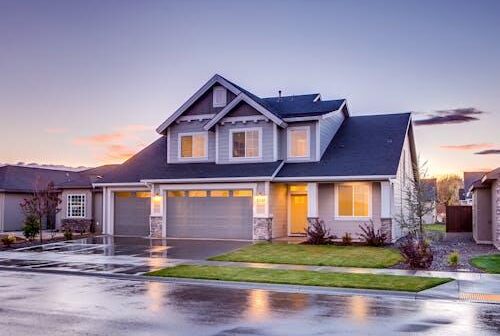
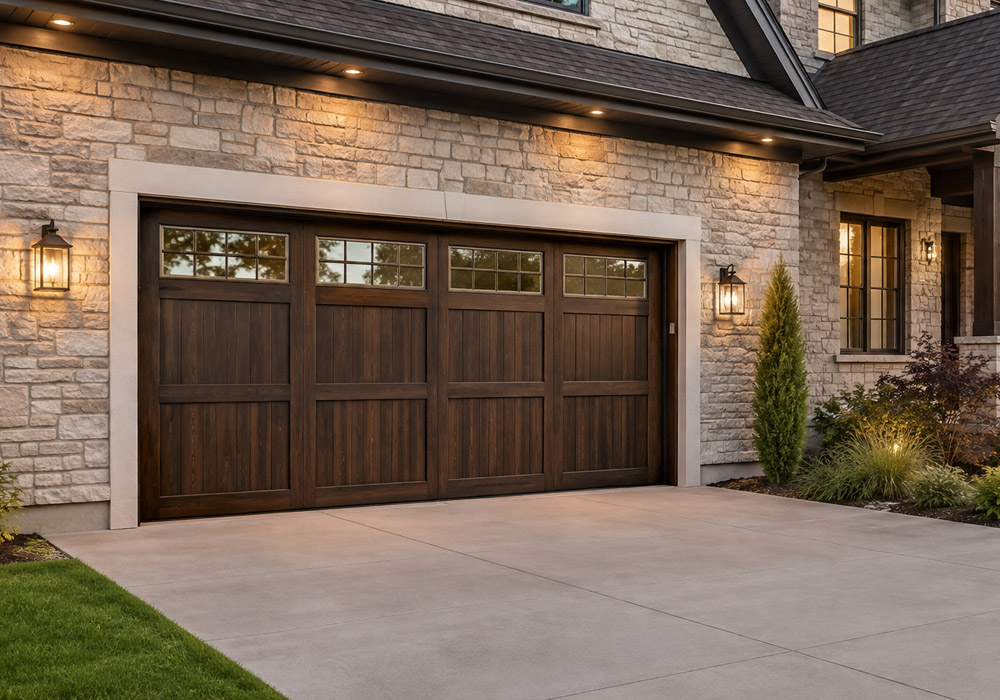
Your home’s exterior is a canvas, and every element contributes to its overall masterpiece. While landscaping, paint, and roofing play vital roles, the impact of a well-chosen garage door cannot be overstated. A garage door isn’t just a functional entry point; it’s a significant design feature that can dramatically enhance your home’s curb appeal and, consequently, its market value. Investing in high-quality, aesthetically pleasing components, like custom garage doors, sets a luxurious tone for your entire property. These doors offer an unparalleled opportunity to infuse personality and architectural integrity into your home’s facade, transforming a utilitarian space into a focal point of beauty and sophistication.
Designing Cohesive Facades with Custom Garage Doors
Achieving visual harmony across your home’s exterior is paramount for a polished look. Custom garage doors are instrumental in this, allowing homeowners to meticulously coordinate every detail. Imagine a facade where the rich stain of a wooden garage door perfectly matches the front entry door, or where the modern lines of a steel door echo the clean angles of your window frames. This thoughtful approach extends to color coordination, ensuring the garage door complements your siding, trim, and roof. Material matching—whether it’s the rustic charm of wood, the sleekness of aluminum, or the classic appeal of steel—creates a unified aesthetic that elevates the entire property. When every element works in concert, the result is a cohesive and inviting exterior that speaks volumes about the care and attention invested in your home.
Matching Architectural Styles Using Custom Garage Doors
One of the most powerful aspects of custom garage doors is their ability to seamlessly integrate with and enhance specific architectural styles. For a home boasting a classic farmhouse or Craftsman aesthetic, carriage house-style garage doors, with their distinctive hardware and paneling, are an ideal match. These doors evoke a sense of timeless charm and traditional craftsmanship. Conversely, a modern minimalist residence benefits from sleek, flush-panel designs, often in glass or metal, that emphasize clean lines and contemporary elegance. Traditional raised-panel doors remain a versatile choice, fitting a wide array of suburban homes, while rustic wood doors can perfectly complement Mediterranean, Tuscan, or even certain contemporary designs seeking natural warmth. By carefully selecting a garage door style that aligns with your home’s architectural heritage, you reinforce its authentic character and elevate its overall design narrative.
Coordinating Awnings: Fabric Options for Patio and Window Shades
Beyond the grandeur of custom garage doors, smaller, yet equally impactful, exterior elements like awnings contribute significantly to a home’s comfort and aesthetic appeal. Awnings are more than just shade structures; they are dynamic features that offer protection from the elements, contribute to energy efficiency by reducing solar heat gain, and provide an opportunity for aesthetic coordination. Whether gracing a patio, a deck, or individual windows, awnings extend your living space outdoors, creating comfortable havens for relaxation and entertainment. But to truly maximize their benefits, selecting the right fabric is crucial. The material choice impacts not only the awning’s durability and performance but also its visual harmony with your home’s existing exterior, including those carefully chosen custom garage doors.
Comparing Acrylic, Polyester, Vinyl, and Canvas Materials
When it comes to awning fabrics, the market offers a diverse range of materials, each with unique characteristics suited for different needs and climates. Understanding these differences is key to making an informed decision that will ensure longevity and satisfaction.
Solution-Dyed Acrylic: This is often considered a premium choice, and for good reason. Solution-dyed acrylic fabrics, such as those used in SunSetter Platinum Series, have pigments added during the fiber production stage, meaning the color goes all the way through the thread. This process results in superior fade resistance compared to surface-dyed or printed fabrics. Acrylic is also highly breathable, preventing heat buildup underneath the awning and making it excellent for sunny climates. It naturally resists mold and mildew and offers excellent UV protection, often blocking at least 90% of harmful UV rays with UPF 50+ ratings. While not entirely waterproof, it is highly water-repellent, and some products feature ultrasonically welded seams for enhanced protection against showers. With proper maintenance, high-quality solution-dyed acrylic can last 10–15 years, with many brands offering 10-year limited warranties.
Polyester: A strong and reliable option, polyester is a popular choice for modern awnings due to its balanced performance. It offers good UV resistance, mildew control, and durability. However, not all polyesters are created equal. Solution-dyed polyester will perform better in terms of fade resistance than standard dyed versions. It’s a versatile fabric, offering good all-around weather resistance. General polyester fabrics might have a lifespan of 4–6 years, but higher-quality, solution-dyed options can extend this significantly.
Vinyl-Coated Polyester: This material is renowned for its waterproofing capabilities. The polyester base provides strength, while the vinyl coating makes it impermeable to water, making it ideal for rain-heavy regions. It’s also very easy to clean – a simple wipe-down often suffices. Many premium vinyl fabrics, like Carefree’s Premium Vinyl, use a 1000 denier fabric for added strength, which is significantly more durable than some competing 400 denier fabrics. While excellent for keeping moisture out, vinyl-coated polyester is less breathable, which can trap heat underneath the awning. It can also be heavier and may be prone to cracking in extreme cold over time. Its lifespan typically ranges from 5–8 years, with some brands offering 5-year warranties.
Cotton Canvas: The traditional choice, cotton canvas offers a classic, natural look. However, it is generally the least durable option for long-term outdoor exposure. Cotton canvas is highly susceptible to fading, mold, and mildew, especially in humid environments, and requires significant maintenance. It absorbs water rather than repelling it, making it less suitable for rainy climates. Its lifespan is typically shorter, around 5–7 years, and it’s best suited for decorative purposes or short-term use where regular maintenance is a commitment.
To visualize the differences, consider this comparison:
Selecting the Right Fabric for Your Local Climate
Your local climate is arguably the most critical factor in determining the best awning fabric for your home. What performs well in a dry, sunny desert might quickly degrade in a humid, coastal environment.
- Sunny Climates (e.g., Arizona, Florida, Texas):In areas with intense UV exposure, fade resistance and high UV protection are paramount. Solution-dyed acrylic, with its UPF 50+ rating and ability to block over 90% of UV rays, is the top choice. Its breathability also helps keep shaded areas cooler.
- Humid Regions (e.g., Southeast US, Pacific Northwest):Mold and mildew are significant concerns here. Breathable fabrics like solution-dyed acrylic are excellent as they allow air circulation, which helps prevent moisture buildup. While vinyl-coated polyester is waterproof, its lack of breathability can sometimes create a microclimate conducive to mildew if not properly maintained and dried.
- Rain-Heavy Areas (e.g., Pacific Northwest, coastal):For maximum rain protection, vinyl-coated polyester is hard to beat due to its complete waterproofing. If you prefer acrylic, ensure it’s a high-quality, water-repellent version with strong, sealed seams to prevent leakage.
- Windy Locations:Durability and tensile strength are key. Choose heavier-gauge fabrics with reinforced stitching. Regardless of fabric type, it’s crucial to retract your awning if wind speeds exceed 20 mph to protect both the fabric and the underlying hardware from damage.
- Coastal Locations:Salt air and increased moisture demand marine-grade fabrics. Solution-dyed acrylics are often a good choice here due to their resistance to salt corrosion and mildew.
When to Replace Your Awning Fabric vs. Repairing It
Awning frames, typically made of robust aluminum or steel, are built to last, often boasting a lifespan of 20–30 years. However, the fabric, constantly exposed to the elements, bears the brunt of the weather and generally has a shorter lifespan. Knowing when to replace your awning fabric rather than attempting costly, temporary repairs is crucial for maintaining both the aesthetic appeal and functionality of your outdoor space. It’s a key part of responsible home maintenance that preserves your investment.
Identifying Signs of Wear and Fabric Degradation
Regular inspection is your best defense against premature fabric failure. Here are the clear signs that indicate it’s time to consider replacing your awning fabric:
- Color Fading:This is one of the most common and visible signs. Uneven fading, sun splotches, or a dull, washed-out appearance detracts significantly from your home’s curb appeal. While some fading is natural over time, severe discoloration means the fabric’s UV protection is likely compromised.
- Fabric Thinning or Transparency:Look up through your awning on a sunny day. If you can see noticeable pinholes of light or areas where the fabric appears thin and transparent, its structural integrity is weakening. These weak spots are prone to tearing.
- Mold and Mildew:Persistent mold or mildew growth that cannot be removed with thorough cleaning is a strong indicator. Beyond being unsightly and potentially odorous, these growths degrade the fabric fibers, shortening its life and potentially posing health concerns.
- Tears, Rips, and Fraying:Small holes (e.g., from debris) can sometimes be patched, but rips larger than 12 inches, tears near the edges, or extensive fraying along seams are usually beyond effective repair and necessitate a full replacement. Fraying seams indicate the stitching is failing, which can lead to larger tears.
- Sagging or Loss of Tension:If your awning fabric sags, pools water after rain, or no longer holds its taut shape, it indicates stretching or a loss of material integrity. This compromises its ability to shed water and can put undue stress on the frame.
- Poor Rolling or Retraction:If the fabric bunches, wrinkles excessively, or doesn’t roll smoothly into its housing, it could be due to fabric degradation, stretching, or damage that prevents proper operation.
- Warranty Expiration:Many high-quality fabrics come with 5-year or 10-year limited warranties. As your fabric approaches or exceeds its warranty period, it’s a good time to assess its condition for replacement, as its protective properties may be diminishing.
Regular cleaning (at least twice a year) and seasonal inspections can help you catch these issues early and extend your awning’s life. However, once these signs become prominent, replacement is often the most sensible and cost-effective solution.
The Benefits of Fabric-Only Replacement
When your awning fabric shows signs of significant wear, the good news is that you often don’t need to replace the entire awning system. Replacing just the fabric offers several compelling advantages:
- Cost-Effective Upgrade:This is arguably the biggest benefit. A fabric-only replacement is significantly more economical than purchasing and installing an entirely new awning system, especially if your existing frame is in good condition. You save on the cost of new hardware and installation labor for the frame.
- Frame Longevity:Awning frames are built to last decades. By replacing only the fabric, you leverage the existing, durable frame, which can easily outlive multiple fabric covers. This maximizes the return on your initial investment in the awning structure.
- Sustainability:Opting for fabric-only replacement is an environmentally conscious choice. It reduces waste by keeping a perfectly functional frame out of landfills, aligning with sustainable home improvement practices.
- Aesthetic Refresh:A new fabric can completely transform the look of your patio or home exterior. You can choose a fresh color, a new pattern, or a different texture to update your home’s style, making it feel brand new without a major overhaul. This allows you to keep pace with evolving design trends or simply refresh a tired look.
- Opportunity to Upgrade Materials:This is your chance to select a higher-performance fabric. If your old fabric was a basic polyester or canvas, you can upgrade to a solution-dyed acrylic or a durable vinyl-coated polyester that offers superior fade resistance, UV protection, or waterproofing, better suiting your climate and lifestyle.
How to Measure and Install Replacement Awning Fabric
Deciding to replace your awning fabric is a smart move, but the next step involves accurate measurement and careful installation. While many homeowners can tackle this as a DIY project, understanding the complexities and knowing when to call in a professional is key to a successful outcome. Replacing awning fabric typically takes 2–5 hours for most awnings, depending on the type and size.
Step-by-Step DIY Installation and Essential Tools
For manual retractable awnings, a DIY fabric replacement is often feasible, especially if you’re comfortable with basic tools and have a helper. However, we must stress that safety is paramount, particularly when dealing with the high-tension springs found in many awning roller tubes (such as Dometic models). These springs can be dangerous if mishandled. If you have any doubts about your ability to safely manage the tension, professional installation is strongly recommended.
Essential Tools:
- Sturdy ladder
- Screwdriver (various types, depending on your awning’s fasteners)
- Wrench set
- Vise grips or C-clamps (for securing arms and springs)
- Utility knife or scissors (for old fabric removal)
- Measuring tape
- Marker
- Gloves
- A helper (highly recommended for safety and ease)
Simplified Installation Steps (Always refer to your awning’s specific manual):
- Prepare the Awning:Fully extend the awning. Using clamps or vise grips, secure the awning arms to prevent them from retracting unexpectedly. For some models, you may need to de-tension the spring mechanism carefully (consult your manual or a professional for this critical step).
- Remove Old Fabric:Locate the fabric splines (thin cords that hold the fabric edges in grooves on the roller tube and front bar). Carefully slide these out, then slide the old fabric out of the channels.
- Clean the Roller Tube:Take this opportunity to clean any dirt, debris, or rust from the roller tube and front bar channels.
- Feed New Fabric:Starting from one end, carefully feed the new fabric into the channels of the roller tube and the front bar. Ensure it’s centered and straight. This often requires two people.
- Insert New Splines:Once the fabric is in place, reinsert the splines into the channels to secure the fabric.
- Re-tension and Reinstall:If you de-tensioned the springs, carefully re-tension them according to your awning’s manual. Reinstall any housing or end caps.
- Test Operation:Extend and retract the awning several times to ensure smooth operation and proper tension. Check for any sagging or unevenness.
Avoiding Common Measuring and Tensioning Mistakes
Accurate measurements are non-negotiable for a proper fit. One of the most common mistakes is measuring the old, stretched, or faded fabric instead of the frame.
- Measure the Frame, Not the Fabric:
- Width:Measure the distance from arm-to-arm (for retractable awnings) or the length of the roller tube itself. The fabric width will typically be slightly less than the frame width.
- Projection Depth:Measure from the wall where the awning mounts to the leading edge of the front bar when fully extended.
- Valance Height:If your awning has a valance (the decorative flap at the front), measure its height. Typically, valances are 6-10 inches high.
- Roller Wraps:For retractable awnings, remember to add 8–12 inches to your projection measurement to account for the fabric that wraps around the roller tube when the awning is extended. This ensures the fabric has enough length to fully extend and maintain tension.
- Incorrect Tensioning:Improper tensioning can lead to significant problems. Too little tension results in sagging, water pooling, and poor retraction. Too much tension can strain the fabric, stitching, and even the motor (for motorized awnings). Always follow manufacturer guidelines for tensioning, and test thoroughly.
- Wrong Fabric Choice:Don’t just pick a color. Ensure the chosen fabric type (acrylic, vinyl, polyester) is suitable for your climate and the specific type of awning you have (e.g., synthetic fibers are preferred for retractable awnings to prevent bunching).
- Ignoring Manufacturer Instructions:Every awning model can have unique quirks. Always consult your awning’s owner’s manual or the replacement fabric supplier’s instructions for specific guidance.
Frequently Asked Questions about Exterior Upgrades
As homeowners, we often have questions when undertaking exterior upgrades. Here are some common inquiries regarding awning fabric options and replacement.
How do I choose the right color for my awning fabric?
Choosing the right color and pattern for your awning fabric is a blend of aesthetics and practicality.
- Complement Your Home’s Aesthetics:Consider your home’s existing color palette – siding, trim, roof, and even your custom garage doors. Do you want the awning to blend in or provide a striking contrast? Classic stripe patterns can add a traditional charm, while solid shades offer a sleek, modern look.
- Heat Management:Lighter colors (whites, creams, light grays) reflect more sunlight and heat, keeping the shaded area underneath cooler. Darker colors (blues, greens, browns) absorb more heat but can offer a deeper, richer shade. If cooling is a primary concern, lean towards lighter hues.
- Personal Preference:The awning is an extension of your home’s personality. Choose a color and pattern that you love and that enhances your enjoyment of your outdoor space.
Can I replace my awning fabric myself or should I hire a professional?
The decision to DIY or hire a professional depends on several factors:
- DIY Feasibility:For many manual, smaller awnings, replacing the fabric yourself is a manageable project, typically taking 2–5 hours. Online guides and videos can provide step-by-step instructions.
- Safety Risks:Awning mechanisms, especially those with powerful springs, are under high tension and can be dangerous if not handled correctly. There’s a risk of injury if springs are improperly released or re-tensioned.
- Motorized Systems:Motorized or larger awnings often have more complex mechanisms and may require specialized knowledge for fabric replacement. Professional installation is generally recommended for these.
- Precision and Warranty:Professionals ensure accurate measurements, proper tensioning, and secure installation, which can prevent future problems like sagging or damage. Many professional installations also come with a warranty on labor.
- Our Recommendation:If you are uncomfortable with mechanical work, working at heights, or the potential safety risks associated with tensioned springs, it’s always best to hire a qualified professional. They have the experience, tools, and expertise to ensure the job is done safely and correctly.
How does protective housing extend the lifespan of awning fabric?
Protective housing systems are one of the best investments you can make to significantly extend the lifespan and appearance of your awning fabric.
- Cassette Housing:A full-cassette awning completely encloses the fabric and the arms within a protective metal casing when retracted. This shields the fabric from virtually all external elements: harmful UV rays, rain, snow, wind, dirt, debris, and even nesting birds or insects. This comprehensive protection drastically reduces wear and tear.
- Alumaguard, Uniguard, or FLXguard:These are examples of proprietary protective covers, often made of aluminum or durable vinyl, that wrap around the fabric when the awning is retracted. While not always a full cassette, they provide a robust shield for the fabric itself, protecting it from direct sun exposure and weather.
- Benefits:By minimizing exposure to the elements when the awning is not in use, these features prevent premature fading, inhibit mold and mildew growth, protect against physical damage from wind-borne debris, and keep the fabric cleaner. This means your awning fabric will look better and last much longer, reducing the frequency and cost of replacement.
- Best Practice:Even with protective housing, it’s always a best practice to retract your awning during high winds (typically exceeding 20 mph) or severe weather conditions to protect both the fabric and the structural components.
Conclusion
From the commanding presence of custom garage doors to the subtle elegance of a well-chosen awning fabric, every exterior detail contributes to your home’s overall appeal and comfort. Understanding the diverse options for awning fabrics – from solution-dyed acrylic’s fade resistance to vinyl-coated polyester’s waterproofing – empowers us to make informed decisions tailored to our specific climate and aesthetic preferences. Recognizing the clear signs of wear and tear, such as fading, thinning, or persistent mildew, helps us determine when a fabric replacement is due.
Opting for a fabric-only replacement is a smart, cost-effective, and sustainable choice that breathes new life into your existing awning system. While DIY installation is possible for some, we always advocate for safety and precision, recommending professional assistance when in doubt, especially with complex or tensioned systems. By carefully selecting and maintaining our awning fabrics, we not only enhance our home’s curb appeal and create inviting outdoor spaces but also make a long-term investment that contributes to our property’s value and our enjoyment for years to come.