Wisconsin winter travel can turn an ordinary drive to work, school, a medical appointment, or a family obligation into a high-attention task. Snow, freezing rain, strong winds, early darkness, and sudden temperature changes can make pavement unpredictable. For drivers managing an OWI-related restriction, winter also adds the need to plan carefully around licensing requirements, vehicle access, and device service.
Reliable support can make that routine easier to manage. Ignition Interlock Wisconsin information from Smart Start Wisconsin can help drivers understand installation, service, reporting, and device-use questions. Smart Start Wisconsin has provided ignition interlock and electronic monitoring services across the state since 2012, with local service options, trained technicians, and support resources for people navigating Wisconsin compliance requirements. This is general safety information, not legal advice, so always confirm the details of your own order with the court, attorney, or Wisconsin Department of Transportation.
Why Wisconsin Road Conditions Can Change So Quickly
A route that looks manageable in the morning may be slippery by afternoon. Major highways are often plowed and treated sooner than lower-volume county roads, but ramps, bridges, overpasses, shaded curves, and intersections may still hold ice. Rural roads can drift shut after plows pass, while packed snow can remain even after the sky clears.
Clear-looking pavement is not always dry pavement. Black ice can blend into the road surface, especially when temperatures hover near freezing. Before leaving during a storm or cold snap, check current winter road conditions, watch for travel alerts, and consider whether the trip is truly necessary.
Build a Winter Trip Plan Before Starting the Vehicle
A short planning routine can reduce rushed decisions and leave room for delays. Use these steps before each trip:
- Check the forecast, road reports, and conditions along the full route.
- Leave earlier than usual, especially for work shifts, appointments, or device service visits.
- Choose main roads when possible because they are generally treated and monitored more often.
- Tell a trusted person your route and expected arrival time for longer trips.
- Charge your phone and carry emergency supplies before departing.
- Drive only when fully alert and free from alcohol, cannabis, prescription side effects, or other impairing substances.
How an OWI-Related Driving Order Changes Daily Habits
An OWI-related order may limit a driver to vehicles equipped with an approved ignition interlock device. The exact requirement depends on the individual case, license status, court order, and Wisconsin DOT rules. Do not assume that a borrowed car, leased vehicle, family vehicle, or work vehicle is available for you to operate without first verifying the applicable requirements.
Winter makes time management especially important. Add time for clearing snow, warming the vehicle as permitted by device instructions, completing required tests, driving slowly, and responding to traffic delays. Keep installation documents, service notices, licensing paperwork, provider contact details, and court-related records together in a secure place.
Cold-Weather Tips for Ignition Interlock Users
Cold weather can affect a vehicle’s battery and make every pre-drive task take longer. A steady routine can help prevent avoidable stress:
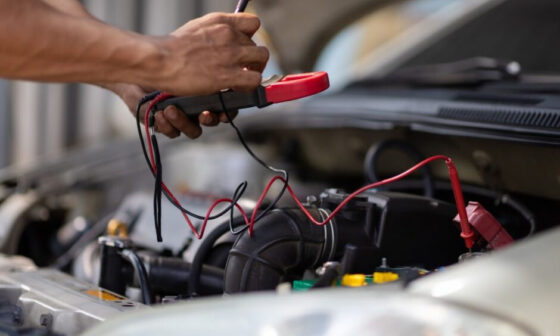
- Have the battery tested before severe cold arrives, and keep terminals clean and secure.
- Allow enough time to follow all device instructions without rushing.
- Complete required initial tests and rolling retests exactly as instructed.
- Never ask another person to provide a sample or attempt to use outside air to start the vehicle.
- Contact the provider promptly if the device shows a service message, violation notice, or lockout.
- Keep regular service appointments, even when winter schedules become busy.
Do not guess about a device message or ignore an upcoming appointment because of bad weather. If a storm may interfere with service, contact the provider as soon as possible, explain the situation, and ask for instructions. Keep notes about the weather conditions and the communication, but do not assume a missed appointment will automatically be excused.
Give Wisconsin Snowplows the Space They Need
Snowplows improve travel conditions, but driving near them requires patience. Plows can create large clouds of blowing snow, reduce visibility, spread salt or sand, and make sudden movements while clearing lanes or turning around. The road behind a plow may be better than the road ahead of it, but it still may not be safe for normal speeds.
Stay well behind the plow, avoid tailgating, and pass only when the roadway, visibility, and lane conditions clearly allow it. Wisconsin has continued to report plow strikes during winter operations, which is a reminder that drivers need extra distance on highways, bridges, and narrow county roads. Safe spacing protects the plow operator, other motorists, and your ability to stop if conditions worsen.
Vehicle Checks That Matter Most in Winter
A prepared vehicle is not a guarantee against trouble, but it gives you a better chance of handling changing conditions safely. Before winter and throughout the season, check the following:
- Winter-rated tires with adequate tread and properly adjusted tire pressure.
- Headlights, brake lights, turn signals, and hazard lights.
- Windshield wipers and washer fluid rated for freezing temperatures.
- Battery condition, antifreeze level, and basic fluid levels.
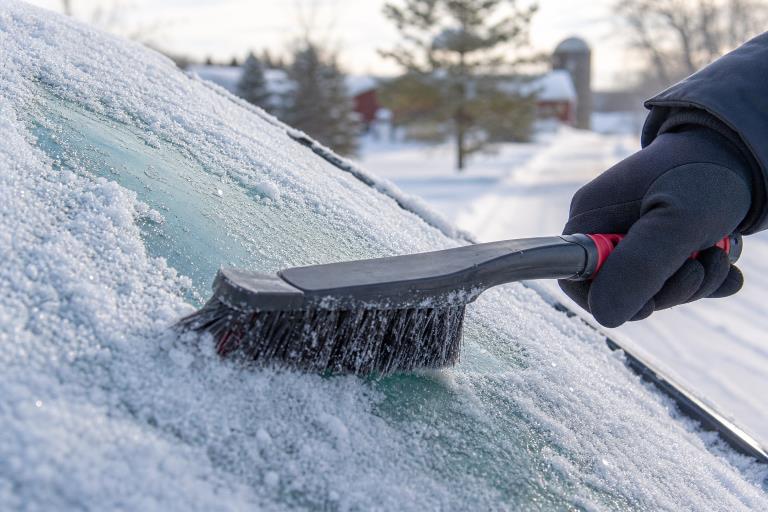
- Windows, mirrors, roof, hood, lights, and cameras cleared fully of snow and ice.
- A scraper, brush, warm blanket, gloves, flashlight, phone charger, water, and first-aid supplies.
What to Do If Your Vehicle Slides or Gets Stuck
If your vehicle starts sliding, focus on smooth, controlled actions. Ease off the accelerator, look toward the open path where you want the vehicle to go, and steer gently. Avoid sharp turns, sudden braking, and fast lane changes, which can make a skid worse.
If you leave the road or become stranded, turn on hazard lights and call for help. Stay inside the vehicle unless remaining there creates a greater danger, such as a fire risk or unsafe location. If the engine must run for warmth, make sure the exhaust pipe remains clear of snow to reduce the risk of carbon monoxide entering the vehicle.
Common Questions Wisconsin Drivers May Have
Can I warm up my vehicle before a required breath test?
Follow the specific device instructions and provider guidance. Do not repeatedly attempt to start the vehicle, bypass the device, or take actions that could appear to be tampering. When in doubt, contact the provider before making assumptions.
Should I travel during a blizzard?
Delay nonessential travel when authorities advise against driving. Whiteout conditions, drifting snow, blocked roads, and poor visibility can turn a routine trip into a serious safety risk. A missed errand is usually easier to address than a crash, roadside emergency, or compliance issue caused by unsafe travel.
A Simple Weekly Winter Compliance Routine
- Review the upcoming forecast, work schedule, and important appointments.
- Confirm the next device service date and plan transportation time around it.
- Check tire pressure, battery performance, lights, and windshield visibility.
- Keep required paperwork and important phone numbers accessible.
- Make a backup plan for rides, rescheduling, or delayed travel during dangerous weather.
- Write down questions for the provider, court, attorney, or state agency instead of relying on informal advice.
Final Takeaway
Winter driving in Wisconsin requires patience, preparation, and respect for conditions that can change in minutes. For drivers with an OWI-related requirement, consistent planning adds another layer of protection. Leave extra time, maintain the vehicle, follow device instructions, keep appointments, and choose safety over urgency when the weather turns dangerous.